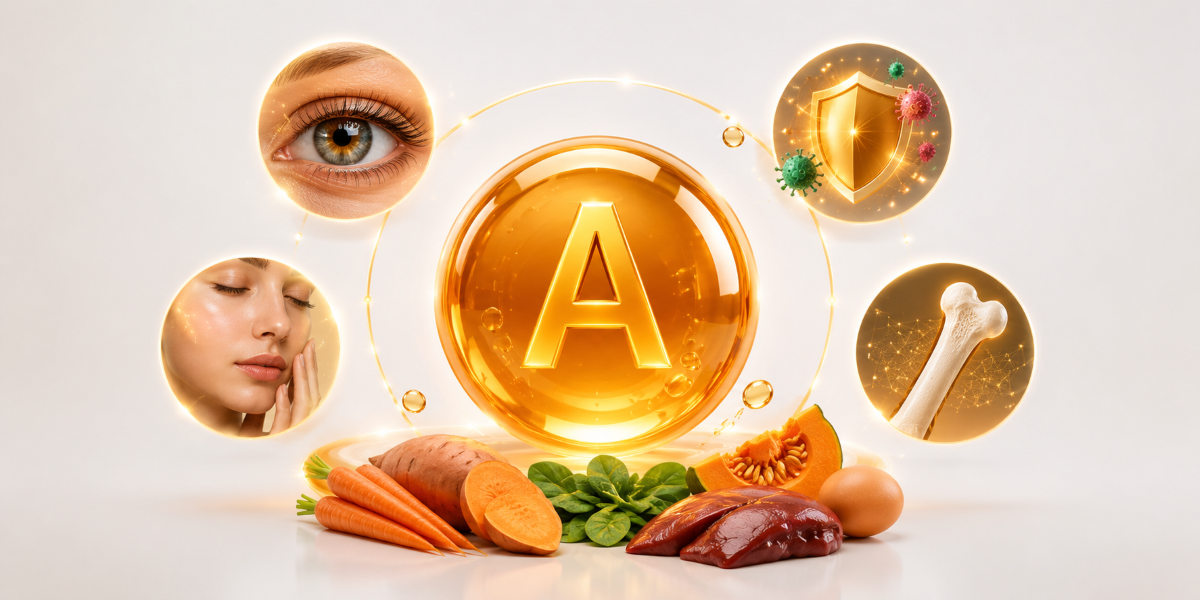


Vitamin A is an essential fat-soluble vitamin involved in vision, immune function, skin health, and normal cellular growth.
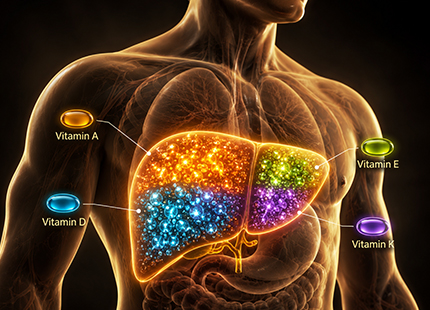
Because vitamin A is stored in the liver, excessive intake over time can lead to accumulation within the body. Unlike many water-soluble vitamins that are more readily excreted, vitamin A may build up when consumed in large amounts, increasing the risk of toxicity.
Table of Contents
Why Vitamin A Balance Matters
Vitamin A supports several important functions in the body, including eye health, immune defense, skin renewal, and cell development.
However, because it is fat-soluble, the body stores it rather than eliminating excess amounts quickly. This means that consistently high intake may gradually increase body stores.
Maintaining the right balance is important because both deficiency and excess may affect health.
How Does Vitamin A Excess Occur?
Vitamin A toxicity is most commonly associated with prolonged use of high-dose supplements rather than normal dietary intake from balanced food sources.
The liver acts as the main storage site for vitamin A. When intake repeatedly exceeds the body’s needs, the liver may eventually become overloaded.
Risk may increase when a person takes multiple products containing vitamin A, such as multivitamins, skin-health formulas, eye-health supplements, or standalone vitamin A capsules.
- Long-term use of high-dose vitamin A supplements.
- Combining multiple supplements that contain vitamin A.
- Using fortified products alongside supplements without checking total intake.
- Taking vitamin A without a confirmed need or professional guidance.
- Using retinol-based products or medications alongside oral vitamin A in certain cases.
Hair Loss as a Possible Symptom
One of the recognized signs of excessive vitamin A intake is increased hair shedding or hair thinning.
High vitamin A levels may interfere with the normal growth cycle of hair follicles, which may lead to noticeable hair loss over time.
Hair loss related to excess intake may develop gradually and can sometimes be confused with stress, hormonal changes, poor nutrition, or other health conditions.
| Affected Area | Possible Signs | Why It May Happen |
|---|---|---|
| Hair | Increased shedding or thinning | Disruption of the normal hair growth cycle |
| Liver | Abnormal liver enzymes or liver stress in significant toxicity | Vitamin A is stored mainly in the liver |
| Skin | Dryness, peeling, irritation, or rough texture | Excess vitamin A may affect skin turnover |
| Nervous System | Headache, dizziness, or sensitivity to light | Toxicity may affect pressure and nerve-related symptoms |
Effects on the Liver
Because vitamin A is stored in the liver, excessive accumulation may place stress on liver function.
In more significant cases of toxicity, abnormal liver enzyme levels and other signs of liver involvement may occur.
These liver-related effects are generally associated with chronic intake of very high doses rather than occasional overconsumption.
People with existing liver disease, alcohol overuse, or medication use should be especially cautious with high-dose vitamin A supplements.
Other Potential Symptoms
Vitamin A toxicity may present with several symptoms that vary depending on the amount consumed and the duration of exposure.
Some symptoms may be mild at first, while others may become more serious if excessive intake continues.
- Headaches or pressure-like discomfort.
- Nausea or reduced appetite.
- Dizziness or light sensitivity.
- Dry, rough, or peeling skin.
- Joint or bone discomfort.
- Fatigue or general weakness.
- Irritability or mood changes.
- Hair shedding or thinning.
Why Is Early Recognition Important?
Recognizing potential signs of vitamin A excess is important because symptoms may develop slowly and may be mistaken for unrelated health issues.
Hair loss, dry skin, fatigue, headaches, or joint discomfort may have many causes, so reviewing supplement intake can be an important part of identifying the possible source.
Identifying excessive intake early may help prevent further accumulation and reduce the risk of complications.
Prevention Through Balanced Intake
The safest approach is to avoid exceeding established intake recommendations unless higher amounts have been specifically advised by a qualified healthcare professional.
It is also important to consider all possible sources of vitamin A, including multivitamins, standalone supplements, fortified products, and formulas marketed for skin, hair, immune, or eye health.
Choosing balanced formulations and avoiding unnecessary high-dose vitamin A can help maximize benefits while minimizing toxicity risk.
- Check supplement labels for vitamin A content.
- Avoid combining several vitamin A-containing products without guidance.
- Be cautious with high-dose retinol forms of vitamin A.
- Review liver health and medication use before high-dose supplementation.
- Seek professional advice if symptoms appear while using vitamin A supplements.
Frequently Asked Questions
Can too much vitamin A cause hair loss?
Yes. Excessive vitamin A intake may interfere with the normal hair growth cycle and contribute to increased hair shedding or thinning over time.
Why can vitamin A affect the liver?
Vitamin A is stored mainly in the liver. When intake is too high for too long, accumulation may place stress on liver function.
Is vitamin A toxicity caused by food?
Vitamin A toxicity is more commonly linked to high-dose supplements than to normal balanced food intake. However, total intake from all sources should still be considered.
What are common symptoms of vitamin A excess?
Possible symptoms include hair loss, dry or peeling skin, headaches, nausea, dizziness, joint discomfort, fatigue, and signs of liver stress in more significant cases.
Should vitamin A supplements be taken daily?
Daily use depends on the dose, diet, health status, and actual need. High-dose vitamin A should not be used long-term without professional guidance.
Conclusion
Vitamin A is vital for vision, immunity, skin health, and normal cellular function, but excessive intake can have unwanted consequences.
Hair loss and liver-related effects are among the potential signs associated with chronic overconsumption. Maintaining appropriate intake, checking total exposure, and avoiding unnecessary high-dose supplements can help maximize benefits while reducing the risk of toxicity.