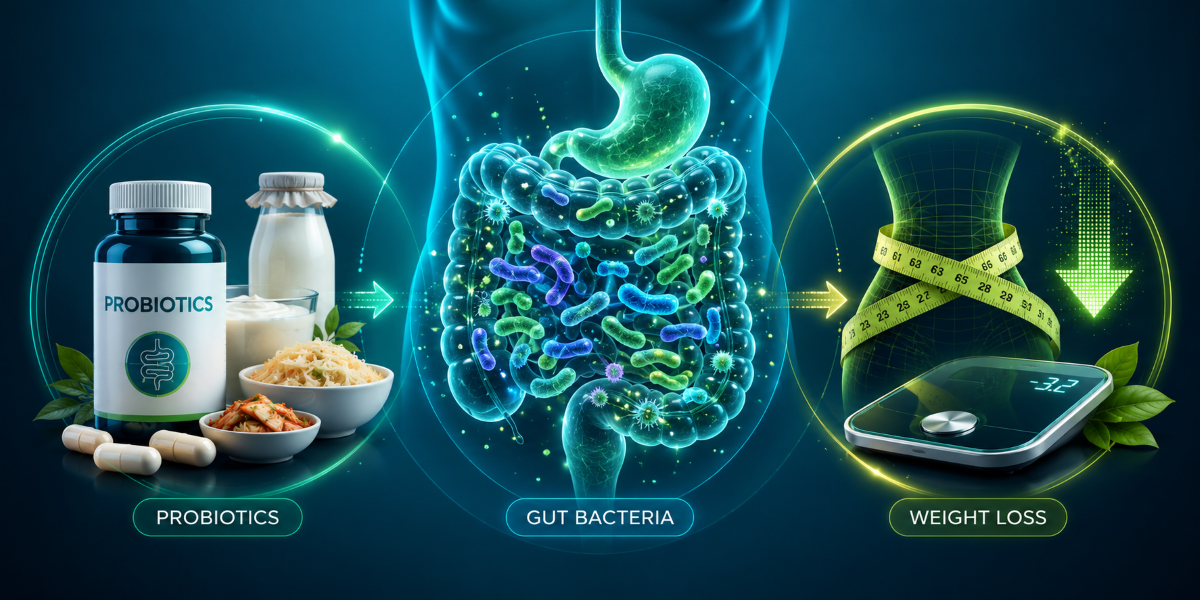


Weight loss is no longer linked only to calories and exercise. Gut health has become an important factor in body weight regulation, appetite control, digestion, and metabolic balance.
Probiotic supplements may play a supportive role by influencing gut bacteria and digestive function. While they are not a magic solution for fat loss, they can support a healthier internal environment when combined with balanced nutrition and an active lifestyle.
Table of Contents
What Are Probiotics?
Probiotics are beneficial bacteria that live in the digestive system and help support gut balance, digestion, and nutrient absorption.
A healthy gut microbiome contains a wide variety of beneficial bacteria that contribute to overall wellness, immune function, digestive comfort, and metabolic health.
Probiotic supplements are designed to provide selected beneficial bacterial strains that may help restore or maintain a healthier balance in the gut.
The Relationship Between Gut Bacteria and Body Weight
Research suggests that the composition of gut bacteria may differ between individuals with normal weight and those who are overweight.
Some bacterial patterns may be associated with increased fat storage, inflammation, or reduced metabolic efficiency, while others may support better appetite control, digestion, and energy balance.
This does not mean gut bacteria alone determine body weight, but they may influence how the body processes food, regulates hunger, and responds to dietary habits.
| Factor | Possible Gut-Related Effect | Weight Management Relevance |
|---|---|---|
| Gut Bacteria Balance | Supports digestion and microbial diversity | May support healthier metabolism |
| Inflammation | Poor gut balance may contribute to inflammation | May affect fat storage and insulin response |
| Hunger and Satiety Signals | Gut bacteria may influence appetite-related hormones | May help support appetite control |
How Do Probiotics Support Weight Loss?
Probiotics may support weight loss indirectly by improving several systems involved in metabolism and appetite regulation.
Certain probiotic strains may help support insulin sensitivity, reduce low-grade inflammation, and influence hormones related to hunger and satiety.
Together, these effects may help reduce fat accumulation and support better appetite control, especially when combined with a calorie-controlled diet and regular activity.
- May support healthier insulin sensitivity.
- May help reduce digestive discomfort and bloating.
- May support appetite and satiety regulation.
- May contribute to better gut microbial balance.
- May support metabolic health as part of a healthy lifestyle.
Probiotics and Digestive Health
Improved digestion can make a weight management plan easier to follow. Reduced bloating, better bowel regularity, and improved gut comfort may help individuals stay consistent with healthy eating habits.
When the digestive system functions efficiently, the body may respond better to balanced meals, fiber intake, hydration, and exercise routines.
This can make weight loss more stable and sustainable over time, rather than relying on quick fixes or extreme dieting.
Choosing the Right Probiotic Supplement
The effectiveness of a probiotic supplement depends on the specific bacterial strains, their concentration, product quality, and consistency of use.
High-quality probiotic supplements usually contain well-researched strains that support gut balance, digestive health, and overall wellness.
When choosing a probiotic, look for clear strain information, suitable CFU count, proper storage instructions, and a product that matches your health goals.
Practical Tips for Better Results
For best results, probiotic supplements should be used as part of a complete weight management routine.
- Choose a probiotic with clear strain information.
- Use the supplement consistently as directed.
- Increase fiber intake from vegetables, fruits, legumes, and whole grains.
- Limit highly processed foods and excess added sugar.
- Stay hydrated to support digestion and bowel regularity.
- Combine probiotics with regular physical activity.
- Prioritize sleep, stress management, and balanced meals.
A healthy gut environment works best when supported by daily habits that nourish beneficial bacteria and reduce digestive stress.
Frequently Asked Questions
Can probiotics help with weight loss?
Probiotics may support weight loss indirectly by improving gut health, digestion, inflammation balance, and appetite regulation, but they do not replace diet and exercise.
Are all probiotic supplements the same?
No. Different probiotic strains may have different effects, so the strain type, concentration, and product quality are important.
Do probiotics burn fat directly?
Probiotics do not directly burn fat like a stimulant. They may support metabolic balance and appetite control as part of a healthy lifestyle.
How long does it take to notice results?
Some people may notice digestive changes within days or weeks, but weight-related benefits usually require consistent use alongside diet and lifestyle changes.
Should probiotics be taken with food?
Many probiotics can be taken with food, but it is best to follow the product label because recommendations may vary by formulation.
Conclusion
Probiotic supplements are not a magic solution for weight loss, but they can be a valuable supportive factor by improving gut health, digestion, and metabolic regulation.
When combined with a balanced diet, regular physical activity, adequate fiber, hydration, and healthy lifestyle habits, probiotics may enhance the chances of achieving healthy and sustainable weight management.