

Iron Bisglycinate: Better Absorption and Fewer Side Effects
Introduction
Iron supplements are widely used to treat and prevent anemia, but many people experience uncomfortable digestive side effects when using traditional forms of iron.
Among the available options, iron bisglycinate stands out as a preferred form because of its high absorption and improved digestive tolerance compared to many conventional iron supplements.
What Is Iron Bisglycinate?
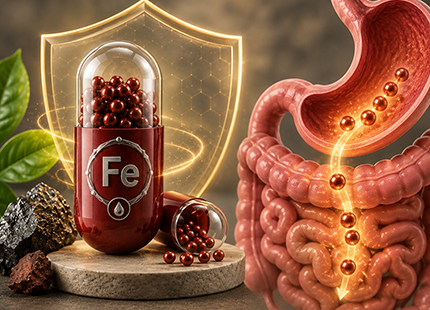
Iron bisglycinate is a chelated form of iron in which iron is bound to two glycine amino acids.
This bond helps protect the iron as it passes through the digestive system, improving absorption while reducing direct irritation to the stomach lining.
- High bioavailability
- Gentler on the stomach
- Better digestive tolerance
- Efficient absorption with lower doses
Unique Absorption Mechanism
The body absorbs iron bisglycinate differently from non-chelated iron forms. This reduces interactions with food compounds that may inhibit iron absorption.
As a result, more iron may efficiently reach the bloodstream to support:
- Hemoglobin production
- Healthy ferritin levels
- Energy production
- Oxygen transport throughout the body
Why Does It Cause Fewer Side Effects?
Traditional iron supplements may commonly cause:
- Nausea
- Constipation
- Stomach pain
- Bloating
- Digestive discomfort
Iron bisglycinate is generally gentler on the digestive system because it has less direct interaction with the gastrointestinal lining.
This may significantly reduce common digestive side effects and improve long-term supplement tolerance.
Who Benefits Most from Iron Bisglycinate?
Iron bisglycinate may be especially suitable for:
- Pregnant women
- Older adults
- Individuals with digestive sensitivities
- People who cannot tolerate traditional iron supplements
- Those who require long-term iron supplementation
Effectiveness in Improving Iron Levels
Research suggests that iron bisglycinate may effectively increase:
- Hemoglobin levels
- Ferritin (iron storage) levels
- Energy levels related to iron deficiency recovery
Its efficient absorption may also allow lower supplemental doses compared to some traditional forms of iron, potentially reducing the risk of excessive iron accumulation.
Usage Tips
- Follow the dosage recommended by your healthcare professional
- Vitamin C may help improve iron absorption
- Avoid taking iron together with coffee or tea
- Do not use iron supplements unnecessarily without proper testing
- Monitor iron levels periodically during long-term supplementation
FAQ
1. What makes iron bisglycinate different from regular iron?
Iron bisglycinate is usually better absorbed and causes fewer digestive side effects compared to many traditional iron forms.
2. Does iron bisglycinate cause constipation?
It may still occur in some individuals, but constipation is generally less common compared to traditional iron supplements.
3. Can iron bisglycinate be taken daily?
Daily use depends on individual iron needs and medical guidance. Proper testing is recommended before long-term supplementation.
4. How long does it take to improve iron deficiency?
Energy levels and blood markers may begin improving within several weeks, but full recovery time depends on the severity of the deficiency.
Conclusion
Iron bisglycinate represents an important advancement in iron supplementation by combining high absorption with fewer gastrointestinal side effects.
Choosing the right iron supplement and following the recommended dosage can help support safer, more comfortable, and more effective anemia management.