
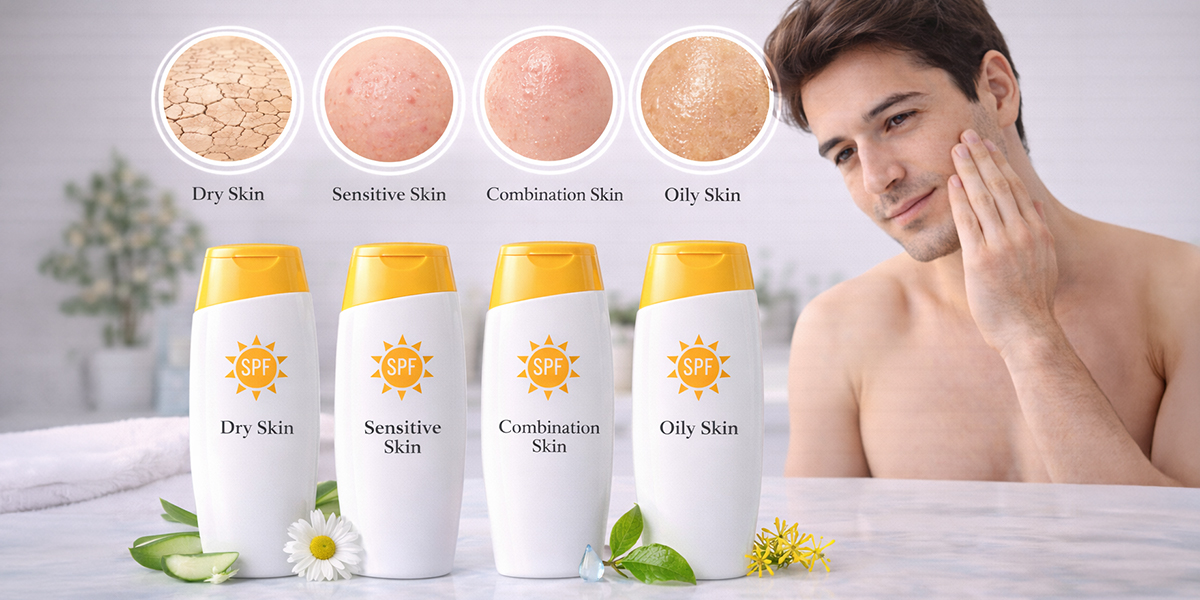


Sunscreen is one of the most essential steps in any skincare routine. Daily sun protection helps protect the skin from harmful ultraviolet rays that can lead to sunburn, premature aging, and hyperpigmentation. Dermatologists recommend using sunscreen every day, even when the weather is cloudy or when spending time indoors near windows.
However, choosing the right sunscreen depends on several factors, including your skin type, lifestyle, and the level of sun exposure you experience daily. Understanding how sunscreens work can help you select the most suitable product for your skin while building a smarter routine through categories like sun screen, face care, and skin, hair, and nails support.
Why Sunscreen Is Important
Exposure to ultraviolet radiation from the sun is one of the main causes of skin damage. UV rays penetrate the skin and can trigger multiple harmful effects over time, including sunburn, dark spots, uneven tone, and visible signs of aging.
Regular use of sunscreen helps:
- Protect the skin from UVB rays that cause sunburn
- Reduce the risk of premature skin aging, including wrinkles and fine lines
- Help prevent hyperpigmentation and dark spots
- Lower the risk of skin cancer caused by long-term sun exposure
Daily protection becomes even more effective when paired with a complete face care routine that supports skin comfort and barrier health.
Types of Sunscreens
Sunscreens are generally divided into two main categories based on how they protect the skin from UV radiation.
Mineral (Physical) Sunscreen
Mineral sunscreens contain ingredients such as zinc oxide or titanium dioxide. These ingredients sit on the skin’s surface and reflect UV rays away from the skin.
Benefits:
- Suitable for sensitive skin
- Less likely to cause irritation
- Provide protection immediately after application
Chemical Sunscreen
Chemical sunscreens contain ingredients that absorb UV radiation and convert it into heat before it can damage the skin.
Benefits:
- Lightweight and easy to blend
- Often leaves less visible residue
- Suitable for daily cosmetic use
Both types can be effective when applied correctly and when they provide broad-spectrum protection against both UVA and UVB rays. Exploring the right option within sunscreens and beauty care products can help you find a formula that suits both your skin and your lifestyle.
Choosing Sunscreen Based on Skin Type
Selecting a sunscreen that matches your skin type is essential for both effective sun protection and maintaining healthy skin. While sunscreen is designed to protect against ultraviolet radiation, the wrong formula may lead to clogged pores, excessive dryness, irritation, or an unwanted greasy finish.
The proper sunscreen selection supports long-term skin health. Regular and appropriate sunscreen use helps reduce the risk of pigmentation concerns, visible photoaging, and long-term sun damage while keeping the skin balanced and comfortable.
Sunscreen for Oily Skin
Oily skin tends to produce excess sebum, which can make heavy sunscreens feel greasy or clog pores. People with oily skin should look for lightweight formulas that absorb quickly and help control shine.
Recommended features:
- Oil-free formulas
- Non-comedogenic products
- Gel, fluid, or water-based textures
- Matte or oil-control finish
Helpful ingredients may include niacinamide or silica, which can help regulate oil and reduce shine throughout the day.
Sunscreen for Dry Skin
Dry skin benefits from sunscreens that provide both sun protection and hydration. Many moisturizing sunscreens contain ingredients that help restore the skin barrier and prevent moisture loss.
Look for sunscreens containing:
- Hyaluronic acid
- Glycerin
- Ceramides
- Shea butter
Cream-based sunscreens are often ideal for dry skin because they provide longer-lasting hydration while protecting the skin from UV damage. Pairing sunscreen with nourishing face care products can also improve skin comfort.
Sunscreen for Sensitive Skin
Sensitive skin may react to fragrances, alcohol, or certain chemical UV filters. For this reason, dermatologists often recommend mineral sunscreens for individuals with sensitive skin.
Good options include:
- Mineral sunscreens with zinc oxide or titanium dioxide
- Fragrance-free and alcohol-free formulas
- Products labeled hypoallergenic
Mineral sunscreens sit on the skin’s surface and reflect UV rays, which often makes them less irritating.
Sunscreen for Acne-Prone Skin
People with acne-prone skin should choose sunscreens that protect the skin without clogging pores or triggering breakouts.
Recommended features include:
- Non-comedogenic formulas
- Lightweight gel or fluid sunscreens
- Oil-free textures
Some sunscreens designed for acne-prone skin also include soothing or oil-balancing ingredients such as niacinamide or green tea extract. Choosing wisely from sunscreens and face care ranges can make a noticeable difference in daily wear and skin tolerance.
Understanding SPF
SPF stands for Sun Protection Factor. It is a measure that indicates how effectively a sunscreen protects the skin from UVB rays, which are primarily responsible for sunburn and can contribute to skin cancer.
Different SPF levels provide different levels of protection:
- SPF 15 blocks approximately 93% of UVB rays
- SPF 30 blocks about 97%
- SPF 50 blocks about 98%
Dermatologists recommend using SPF 30 or higher for daily protection. It is also important to choose a sunscreen labeled broad-spectrum, which means it protects against both UVB rays and UVA rays. UVA rays penetrate deeper into the skin and contribute to premature aging and long-term skin damage.
Tips for Using Sunscreen Correctly
Using sunscreen properly is just as important as choosing the right formula. Even an excellent sunscreen may not perform well if it is applied incorrectly or inconsistently.
Follow these tips for effective sun protection:
- Apply sunscreen 15 minutes before sun exposure
- Use a sufficient amount, approximately two finger lengths for the face
- Reapply sunscreen every two hours
- Reapply after swimming or heavy sweating
- Use sunscreen daily, even on cloudy days
Consistent use helps maintain effective protection throughout the day. For best results, include it as the final step in your morning face care routine and support overall skin health with a balanced skin, hair, and nails wellness approach.
Conclusion
Choosing the right sunscreen for your skin type is an important step in maintaining healthy skin. Whether you have oily, dry, sensitive, or acne-prone skin, selecting a suitable formula with broad-spectrum protection and SPF 30 or higher can help prevent sun damage.
When used consistently and correctly, sunscreen plays a major role in protecting the skin from premature aging, pigmentation, and other long-term effects of UV exposure. Building your routine around trusted categories such as sun screen, face care, and beauty care can help you choose products that are both practical and skin-friendly.
FAQ
Do I need sunscreen every day?
Yes. Daily sunscreen use is recommended even on cloudy days and even when spending time indoors near windows.
Is SPF 30 enough for daily use?
Yes. SPF 30 is widely recommended for daily use, provided it is broad-spectrum and applied correctly.
Which sunscreen is better for sensitive skin?
Mineral sunscreens are often preferred for sensitive skin because they are generally less irritating.
How often should sunscreen be reapplied?
It should usually be reapplied every two hours, and sooner after swimming or heavy sweating.
References
- American Academy of Dermatology – Sunscreen recommendations and sun protection guidelines
- Skin Cancer Foundation – Sunscreen and UV protection information
- World Health Organization – Ultraviolet radiation and health effects
This article is for informational purposes only and does not replace professional medical advice. Individuals with specific skin conditions should consult a qualified dermatologist before selecting skincare products.