

Introduction
Bee pollen is often called a “superfood of nature” due to its rich concentration of nutrients, antioxidants, vitamins, minerals, enzymes, and amino acids. Collected by honeybees from flowering plants, bee pollen is considered one of the most complete natural foods available.
For centuries, it has been used in traditional wellness practices to support energy, immunity, vitality, and overall health. Today, bee pollen is gaining global attention as a natural supplement that may help enhance physical performance, improve immune defense, and support long-term wellness.
Because of its dense nutritional profile, bee pollen is often included in modern health routines focused on natural energy support, anti-aging benefits, and immune system balance.
Table of Contents
- What Is Bee Pollen and How Is It Made?
- Nutritional Profile of Bee Pollen
- Key Health Benefits of Bee Pollen
- Who May Benefit from Bee Pollen?
- How to Use Bee Pollen Effectively
- Recommended Dosage and Daily Intake
- Possible Side Effects and Safety Considerations
- Recommended Bee Pollen Supplements
- FAQ
- Conclusion
What Is Bee Pollen and How Is It Made?
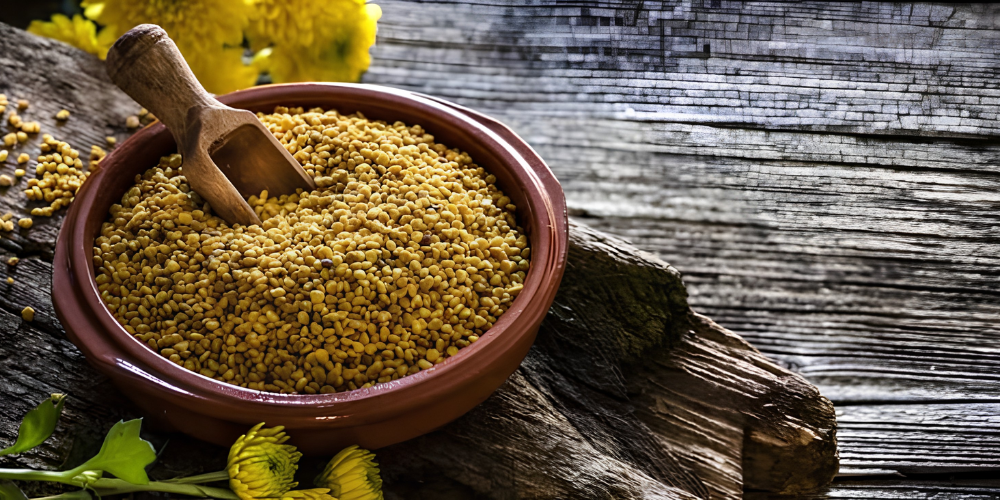
Bee pollen is a natural substance collected by honeybees from flowering plants. It is formed when bees gather pollen grains, mix them with nectar and enzymes from their saliva, and pack them into small granules that are carried back to the hive. These granules serve as a primary food source for the bee colony, especially for young bees.
From a human nutrition perspective, bee pollen is considered a highly concentrated natural food due to its dense composition of nutrients. It contains a combination of plant pollen, nectar, enzymes, honey, wax, and bee secretions, which together create a biologically active substance with potential wellness benefits.
Because bee pollen comes directly from a wide variety of plants, its exact composition can vary depending on geography, season, and floral sources, making each batch naturally unique.
Nutritional Profile of Bee Pollen
Bee pollen is often described as a “complete natural food” because it contains a wide range of essential nutrients in a compact and bioactive form.
Its key nutritional components include:
- High-quality plant-based proteins and essential amino acids
- Natural carbohydrates that support energy production
- Healthy fats including essential fatty acids
- B-complex vitamins (B1, B2, B3, B5, B6, and folate)
- Vitamin C, vitamin D, vitamin E, and carotenoid precursors
- Essential minerals such as zinc, magnesium, iron, calcium, and potassium
- Natural enzymes that may support digestion and nutrient absorption
- Powerful antioxidants including flavonoids and carotenoids
This nutrient-dense composition makes bee pollen a widely used natural supplement for supporting energy, immunity, and overall wellness.
Key Health Benefits of Bee Pollen
Supports Natural Energy Levels
Bee pollen contains carbohydrates, proteins, and B vitamins that play an important role in energy metabolism. It is often used to help reduce fatigue and support daily stamina.
Strengthens Immune Function
Its antioxidants, vitamins, and bioactive compounds may help support immune system performance and reinforce the body’s natural defense mechanisms.
Provides Antioxidant Protection
Bee pollen is rich in flavonoids and plant-based compounds that help neutralize free radicals, supporting cellular protection and reducing oxidative stress.
Supports Skin and Healthy Aging
The nutrient profile of bee pollen may contribute to skin regeneration, improved hydration, and overall skin vitality, supporting healthy aging processes.
May Support Digestive Health
Bee pollen contains natural enzymes that may assist digestion and improve nutrient breakdown and absorption in the gastrointestinal tract.
Who May Benefit from Bee Pollen?
Bee pollen may be beneficial for individuals looking to support overall wellness, energy balance, and daily nutritional intake.
It may be suitable for:
- People experiencing low energy or persistent fatigue
- Individuals with nutrient-poor or unbalanced diets
- Those seeking natural immune system support
- Active individuals and athletes requiring additional energy support
- People interested in natural antioxidant and anti-aging support
- Individuals aiming to improve overall nutritional intake
However, bee pollen is most effective when used as part of a balanced diet and healthy lifestyle rather than as a standalone solution.
How to Use Bee Pollen Effectively
To achieve the best results, consistency and proper usage are essential when incorporating bee pollen into a daily routine.
Common and effective ways to use bee pollen include:
- Sprinkling granules over yogurt, oatmeal, or smoothies
- Mixing it with honey for easier consumption
- Adding it to fresh juices or protein shakes
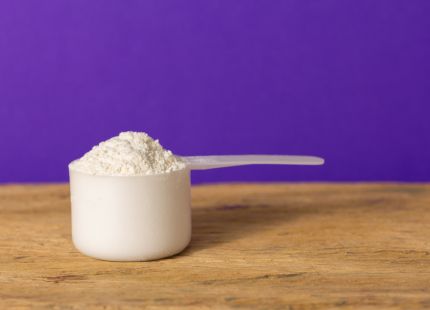
- Taking it in capsule or powder form as a dietary supplement
It is generally recommended to start with small amounts and gradually increase intake, allowing the body to adapt—especially for first-time users.
For better absorption, bee pollen can be consumed with meals rather than on an empty stomach.
Recommended Dosage and Daily Intake
There is no universal standard dosage for bee pollen, but general wellness guidelines are commonly followed based on traditional and supplemental use.
Common recommendations include:
- Start with a small amount (such as a few granules or 1/4 teaspoon daily)
- Gradually increase to 1–2 teaspoons per day depending on individual tolerance
- Always follow manufacturer instructions when using capsule or powder forms
- Maintain consistent daily intake rather than excessive or irregular use
Individual requirements may vary depending on age, health status, and dietary patterns. For this reason, moderation and gradual introduction are key for safe and effective use.
Possible Side Effects and Safety Considerations
Bee pollen is generally considered safe for most healthy individuals when used appropriately. However, certain safety considerations should be taken into account.
Possible side effects may include:
- Allergic reactions, especially in individuals sensitive to pollen or bee products
- Itching, swelling, or respiratory discomfort in allergic individuals
- Mild digestive discomfort during initial use in some cases
Individuals with known pollen allergies, asthma, or sensitivities to bee products should avoid bee pollen or consult a healthcare professional before use.
Pregnant or breastfeeding individuals are also advised to seek medical guidance before supplementation.
In rare cases, severe allergic reactions may occur, so starting with a very small dose is strongly recommended for first-time users.
Recommended Bee Pollen Supplements
Explore high-quality bee pollen products:
FAQ
1. Is bee pollen good for daily use?
Yes, many people include bee pollen in their daily routine in small amounts as part of a balanced diet, unless they have allergies or sensitivities.
2. Can bee pollen boost energy naturally?
Yes, bee pollen contains natural carbohydrates, protein, and B vitamins that may help support natural energy production and reduce fatigue.
3. Is bee pollen good for skin health?
Yes, its antioxidants and nutrient profile may help support skin repair, hydration, and healthy aging by reducing oxidative stress.
4. Who should avoid bee pollen?
Individuals with pollen allergies, asthma, or sensitivities to bee products should avoid bee pollen or consult a healthcare professional before use.
Conclusion
Bee pollen is a nutrient-dense natural superfood that offers a wide range of potential wellness benefits, including immune support, natural energy enhancement, antioxidant protection, and overall vitality improvement.
When used consistently and appropriately, it can be a valuable addition to a healthy lifestyle, especially for individuals seeking natural nutritional support and daily energy balance.
However, like all supplements, bee pollen should be used responsibly and ideally alongside a balanced diet rich in whole foods to achieve the best long-term health results.