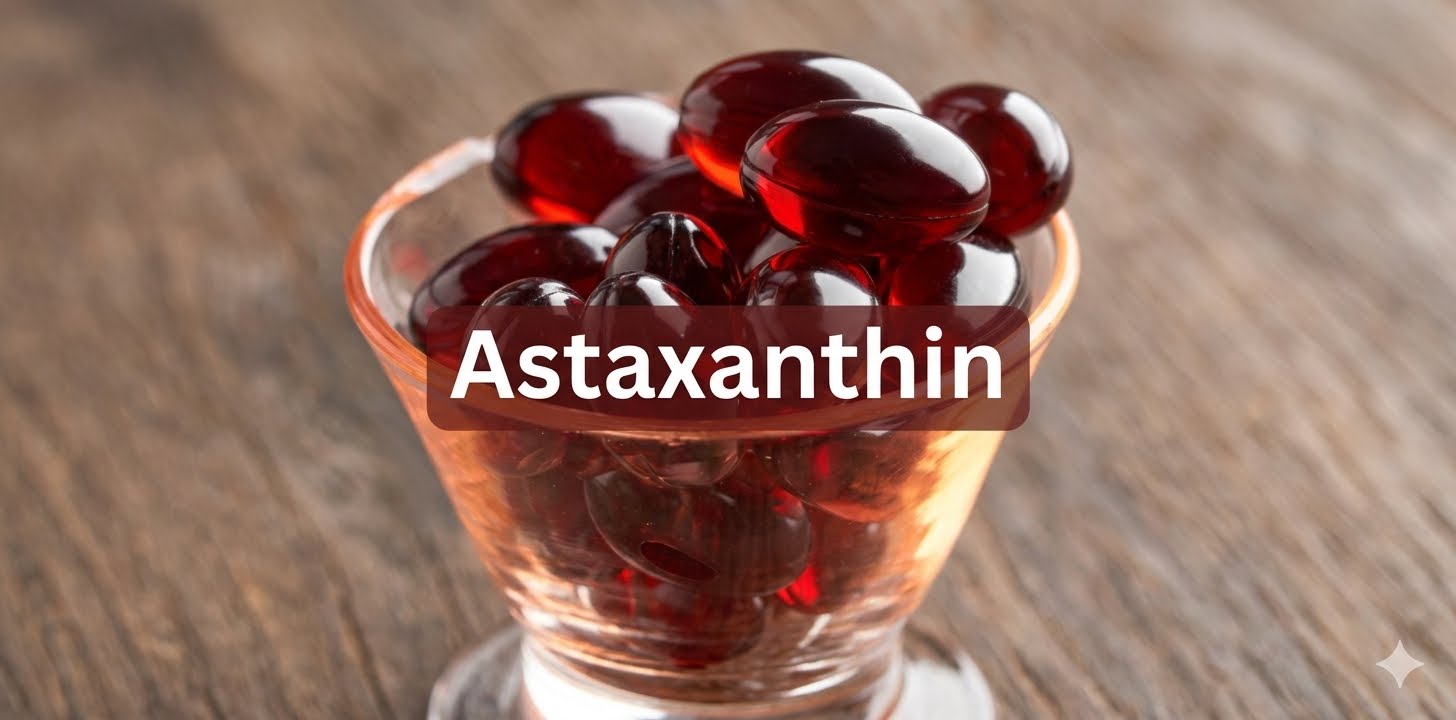


Astaxanthin has earned a reputation as one of nature's most powerful antioxidants, attracting growing attention from researchers, healthcare professionals, athletes, and wellness enthusiasts alike. This naturally occurring red-orange carotenoid is responsible for the vibrant color of salmon, shrimp, lobster, trout, and flamingos, and is primarily produced by the microalgae Haematococcus pluvialis. Beyond its distinctive color, astaxanthin has been extensively studied for its ability to help protect the body's cells from oxidative stress while supporting healthy aging and overall wellbeing.
Unlike many other antioxidants, astaxanthin has a unique molecular structure that allows it to work throughout different parts of the cell. Research suggests it may help protect cell membranes from free radical damage while supporting healthy inflammatory balance, cardiovascular function, skin health, eye health, cognitive performance, exercise recovery, and immune function. Because oxidative stress contributes to normal aging and everyday environmental challenges, maintaining healthy antioxidant defenses is an important part of long-term wellness.
Although astaxanthin is naturally present in certain seafood, dietary intake is often relatively low. As a result, many people choose high-quality astaxanthin supplements to help complement a balanced diet and healthy lifestyle. While ongoing scientific research continues to explore its full range of benefits, current evidence suggests that astaxanthin can be a valuable nutritional addition for individuals seeking comprehensive antioxidant support.
In this guide, you'll discover what astaxanthin is, how it works inside the body, the science behind its most important health benefits, who may benefit from supplementation, how to take it safely, and practical tips for choosing a high-quality product.
Table of Contents
What Is Astaxanthin?
Astaxanthin is a naturally occurring carotenoid pigment belonging to the xanthophyll family of antioxidants. It is produced primarily by the freshwater microalga Haematococcus pluvialis, which synthesizes astaxanthin to protect itself from environmental stress such as intense sunlight and limited water availability. Marine animals including salmon, krill, shrimp, lobster, and trout obtain astaxanthin by consuming algae or organisms lower in the food chain, giving them their characteristic pink or red coloration.
Unlike some carotenoids that can be converted into vitamin A, astaxanthin functions mainly as a potent antioxidant. Its unique chemical structure enables it to help neutralize free radicals throughout the body without becoming unstable, making it one of the most extensively researched natural antioxidants available today. Natural astaxanthin derived from Haematococcus pluvialis is the form most commonly used in high-quality dietary supplements and has been widely studied for its potential health benefits.
How Does Astaxanthin Work?
Astaxanthin supports health primarily through its exceptional antioxidant activity. Every day, the body naturally produces free radicals during metabolism and is exposed to additional oxidative stress from ultraviolet (UV) radiation, pollution, smoking, strenuous exercise, and other environmental factors. When free radicals accumulate faster than the body's antioxidant defenses can neutralize them, they may contribute to cellular damage and the normal aging process.
Astaxanthin helps protect cells by neutralizing these unstable molecules before they can damage proteins, lipids, and DNA. Its unique molecular structure allows it to span cell membranes, providing antioxidant protection both inside and outside the cell. Researchers also believe astaxanthin may help support healthy inflammatory balance, protect mitochondria—the energy-producing structures within cells—and promote normal communication between cells, contributing to overall health and long-term wellness.
5 Health Benefits of Astaxanthin
1. Provides Powerful Antioxidant Protection
Astaxanthin is widely recognized as one of the most potent naturally occurring antioxidants. It helps neutralize free radicals before they can damage healthy cells, reducing oxidative stress caused by normal metabolism, environmental pollution, ultraviolet (UV) radiation, and other everyday factors. By protecting cells from oxidative damage, astaxanthin supports healthy aging and contributes to overall wellbeing.
Unlike many antioxidants that work only in specific parts of the cell, astaxanthin's unique structure allows it to help protect both the inner and outer layers of cell membranes. This broad cellular protection is one of the reasons it has become a popular ingredient in wellness supplements aimed at promoting long-term health.
Potential benefits include:
- Helps protect cells from oxidative stress.
- Supports the body's natural antioxidant defenses.
- Promotes healthy aging.
- Supports overall cellular health and wellbeing.
Best for: Adults seeking comprehensive antioxidant support as part of a healthy lifestyle.
2. Supports Healthy Skin
Astaxanthin has gained considerable attention for its potential role in promoting healthy, youthful-looking skin. Research suggests that its antioxidant properties may help protect skin cells from oxidative stress caused by UV exposure and environmental pollutants. It may also support skin hydration, elasticity, and overall skin appearance when combined with a balanced diet and proper skincare.
While astaxanthin should not replace sunscreen or other protective skincare measures, several studies suggest it may complement healthy skin routines by helping maintain the skin's natural barrier and supporting normal collagen integrity.
Potential benefits include:
- Supports healthy skin hydration.
- Helps maintain skin elasticity.
- Provides antioxidant protection against environmental stress.
- Promotes healthy, radiant-looking skin.
Best for: Individuals looking to support skin health and healthy aging from within.
3. Promotes Eye Health
The eyes are constantly exposed to oxidative stress from sunlight, digital screens, and everyday environmental factors. Because astaxanthin can cross the blood-retinal barrier, researchers have investigated its potential role in supporting retinal health and maintaining normal visual function. Its antioxidant activity may help protect delicate eye tissues while supporting overall visual comfort.
Several studies suggest that astaxanthin may help reduce eye fatigue associated with prolonged screen use and support healthy blood flow to the eyes. Although it is not intended to prevent or treat eye diseases, it may complement a comprehensive eye health routine alongside regular eye examinations and proper nutrition.
Potential benefits include:
- Supports healthy retinal function.
- Helps reduce digital eye fatigue.
- Provides antioxidant protection for eye tissues.
- Promotes long-term visual wellness.
Best for: Adults seeking nutritional support for healthy vision, especially those with frequent digital screen exposure.
4. Supports Cardiovascular Health
Astaxanthin may play a valuable role in supporting heart and blood vessel health by helping protect cardiovascular tissues from oxidative stress. Healthy blood vessels are essential for efficient circulation, oxygen delivery, and overall cardiovascular function. Research suggests that astaxanthin may help maintain healthy endothelial function—the thin inner lining of blood vessels—which is important for normal circulation and vascular wellness.
Its antioxidant activity may also help protect blood lipids and vascular cells from oxidative damage, making astaxanthin a popular ingredient in heart-health supplements. While it should not replace medical treatment or healthy lifestyle habits, it may complement a balanced diet, regular exercise, and routine cardiovascular care.
Potential benefits include:
- Supports healthy blood vessel function.
- Provides antioxidant protection for cardiovascular tissues.
- Promotes healthy circulation.
- Supports long-term heart wellness.
Best for: Adults looking to support cardiovascular health as part of a heart-healthy lifestyle.
5. May Improve Exercise Performance and Recovery
Physical activity naturally increases the production of free radicals, particularly during intense or prolonged exercise. Because of its potent antioxidant properties, astaxanthin has been studied for its potential to support muscle recovery, reduce exercise-induced oxidative stress, and promote physical performance.
Some research suggests that regular astaxanthin supplementation may help support endurance, reduce muscle fatigue, and improve recovery after exercise. Although results vary among individuals, it may serve as a valuable nutritional addition for physically active adults when combined with proper training, hydration, and recovery strategies.
Potential benefits include:
- Supports recovery after physical activity.
- Helps reduce exercise-related oxidative stress.
- May support endurance and physical performance.
- Complements an active lifestyle.
Best for: Athletes and active individuals looking to support performance, endurance, and post-exercise recovery.
Who May Benefit from Astaxanthin?
Astaxanthin may be suitable for adults looking to support antioxidant defenses, healthy aging, skin health, eye function, cardiovascular wellness, cognitive performance, exercise recovery, and immune function. It is commonly chosen by individuals seeking comprehensive daily nutritional support to complement a healthy lifestyle.
Astaxanthin may be particularly beneficial for:
- Adults seeking powerful daily antioxidant support.
- Individuals looking to promote healthy skin and healthy aging.
- People who spend long hours using digital screens.
- Athletes and active individuals supporting recovery and endurance.
- Adults interested in supporting cardiovascular wellness.
- Individuals looking to maintain cognitive performance with age.
- Anyone seeking year-round immune system support.
For the greatest benefits, astaxanthin should be combined with a nutrient-rich diet, regular physical activity, adequate sleep, proper hydration, and other healthy lifestyle habits.
How to Take Astaxanthin
Astaxanthin is available in softgels, capsules, and combination antioxidant formulas. The appropriate serving size depends on the specific product and individual needs, so always follow the manufacturer's recommended dosage or consult a qualified healthcare professional.
General tips for taking astaxanthin include:
- Follow the serving size recommended on the product label.
- Take with a meal that contains healthy fats to support absorption.
- Use consistently for the best long-term results.
- Store the supplement according to the manufacturer's instructions.
- Avoid exceeding the recommended daily serving unless advised by a healthcare professional.
Safety Considerations and Possible Side Effects
Astaxanthin is generally well tolerated by most healthy adults when used as directed. Side effects are uncommon and are usually mild when they occur.
Possible side effects may include:
- Mild digestive discomfort.
- Temporary stomach upset.
- Changes in stool color in some individuals.
- Rare allergic reactions in sensitive individuals.
Consult a healthcare professional before using astaxanthin if you:
- Are pregnant or breastfeeding.
- Take prescription medications.
- Have a chronic medical condition.
- Are preparing for surgery.
Discontinue use and seek medical advice if you experience unexpected adverse reactions.
How to Choose a High-Quality Astaxanthin Supplement
Not all astaxanthin supplements are created equal. The source of astaxanthin, ingredient quality, manufacturing standards, and formulation all influence the effectiveness of the final product. Selecting a high-quality supplement helps ensure you receive a consistent dose of natural astaxanthin with reliable purity and potency.
When choosing an astaxanthin supplement, look for:
- Natural astaxanthin sourced from Haematococcus pluvialis microalgae.
- Clearly labeled ingredient amounts and serving sizes.
- Products manufactured by reputable brands with transparent labeling.
- Third-party quality testing or Good Manufacturing Practice (GMP) certification when available.
- Minimal unnecessary fillers, artificial colors, or additives.
- Formulas that align with your individual wellness goals.
Recommended Antioxidant Supplements
Support your daily wellness routine with premium Astaxanthin supplements formulated to provide powerful antioxidant protection while supporting healthy aging, skin health, eye health, cardiovascular wellness, immune function, and overall vitality.
- Explore Astaxanthin Supplements
Ideal for: Individuals looking to support antioxidant defense, healthy skin, eye health, cardiovascular function, exercise recovery, cognitive wellness, and immune health.
FAQ
1. What is astaxanthin used for?
Astaxanthin is commonly used to provide antioxidant support and help maintain healthy skin, eyes, cardiovascular function, immune health, exercise recovery, and overall wellbeing.
2. Can astaxanthin be taken every day?
Yes. Most healthy adults can take astaxanthin daily according to the manufacturer's recommended serving size. Individuals with medical conditions or those taking prescription medications should consult a healthcare professional before use.
3. Is astaxanthin better than other antioxidants?
Astaxanthin is considered one of the most potent naturally occurring antioxidants because of its unique ability to protect cell membranes from oxidative stress. However, it works best as part of a balanced diet that includes a variety of antioxidant-rich foods.
4. When is the best time to take astaxanthin?
Astaxanthin is often taken with a meal containing healthy fats, as this may help improve its absorption. Always follow the product's recommended directions.
5. Is astaxanthin safe?
When used as directed, astaxanthin is generally well tolerated by healthy adults. Anyone who is pregnant, breastfeeding, taking prescription medications, or managing a medical condition should consult a healthcare professional before taking dietary supplements.
Conclusion
Astaxanthin is one of the most extensively researched natural antioxidants, offering broad support for healthy aging, skin health, eye function, cardiovascular wellness, immune health, cognitive performance, and exercise recovery. By helping protect cells from oxidative stress, it contributes to overall wellbeing and complements a proactive approach to long-term health.
While astaxanthin is not intended to diagnose, treat, cure, or prevent disease, it can be a valuable addition to a balanced lifestyle that includes nutritious eating, regular exercise, quality sleep, stress management, and routine healthcare. Choosing a high-quality astaxanthin supplement and using it consistently according to the recommended serving guidelines can help support your body's natural antioxidant defenses and everyday vitality.