
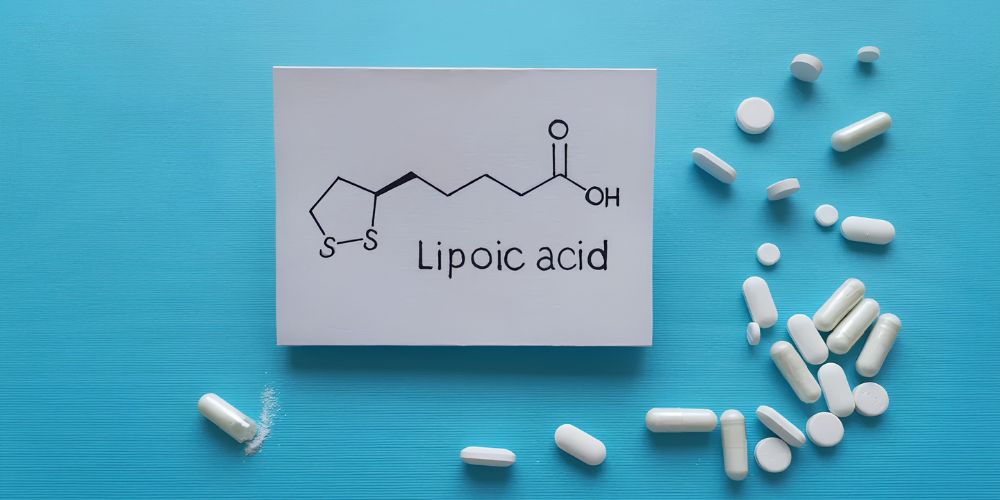


Alpha Lipoic Acid (ALA) is a naturally occurring antioxidant that has attracted growing interest for its potential role in protecting cells from oxidative stress, supporting cellular energy production, and promoting metabolic wellness. Unlike many antioxidants that primarily work in either water-soluble or fat-soluble environments, Alpha Lipoic Acid has unique properties that allow it to function in both types of environments.
Beyond its antioxidant activity, research has explored Alpha Lipoic Acid benefits in several areas of health, including healthy inflammatory balance, blood sugar metabolism, nerve health, and overall cellular function. These properties have made ALA a popular ingredient in nutritional supplements designed to support antioxidant protection and metabolic health.
One of the most interesting characteristics of ALA is its involvement in the body's natural energy-producing processes. It also works within antioxidant networks and may help regenerate other antioxidants, making it a valuable component of the body's defense against oxidative stress.
But what exactly does Alpha Lipoic Acid do, and how can it support overall wellness? This guide explores Alpha Lipoic Acid's antioxidant and anti-inflammatory potential, its benefits for metabolic and nerve health, how to use it, possible side effects, and important safety considerations.
Table of Contents
- What Is Alpha Lipoic Acid?
- How Does Alpha Lipoic Acid Work?
- Alpha Lipoic Acid as a Powerful Antioxidant
- Alpha Lipoic Acid and Healthy Inflammatory Balance
- Alpha Lipoic Acid and Blood Sugar Metabolism
- How to Take Alpha Lipoic Acid: Dosage and Best Practices
- Alpha Lipoic Acid Side Effects and Safety Considerations
- Who Should Avoid Alpha Lipoic Acid?
- How to Choose a High-Quality Alpha Lipoic Acid Supplement
- Recommended Alpha Lipoic Acid Supplements
- FAQ
- Conclusion
What Is Alpha Lipoic Acid?
Alpha Lipoic Acid (ALA) is a naturally occurring antioxidant produced by the body and found in small amounts in certain foods. Unlike many antioxidants that work primarily in either water- or fat-based environments, ALA is both water- and fat-soluble, allowing it to function in different parts of the body.
Alpha Lipoic Acid plays an important role in cellular energy production, particularly within the mitochondria, where nutrients are converted into usable energy. It also helps regenerate other antioxidants, including vitamins C and E, which contributes to the body's overall antioxidant defense system.
Because of these properties, ALA has attracted scientific interest for its potential role in supporting metabolic health, nerve function, antioxidant protection, and healthy inflammatory balance. It is available as a dietary supplement in different strengths and formulations.
Although the body can produce ALA naturally, supplementation may provide additional amounts for people interested in targeted nutritional support. However, individual needs and responses can vary, and supplements should complement—not replace—a balanced diet and healthy lifestyle.
How Does Alpha Lipoic Acid Work?
Alpha Lipoic Acid works primarily through its involvement in energy metabolism and antioxidant defense. Inside cells, ALA participates in mitochondrial reactions that help convert carbohydrates, fats, and other nutrients into energy.
Its antioxidant activity is another reason ALA has become widely studied. ALA and its reduced form, dihydrolipoic acid (DHLA), can help neutralize reactive molecules and support the body's natural defenses against oxidative stress.
ALA may also help regenerate certain antioxidants after they have been used in the body's protective processes. This interaction with other antioxidant systems makes Alpha Lipoic Acid particularly interesting as part of a broader approach to cellular wellness.
Because oxidative stress and inflammation are involved in many aspects of health, researchers continue to investigate how ALA may support healthy metabolic function, neurological health, and overall cellular resilience.
Alpha Lipoic Acid as a Powerful Antioxidant
One of the most recognized benefits of Alpha Lipoic Acid is its antioxidant activity. Oxidative stress occurs when reactive molecules outnumber the body's ability to neutralize them, potentially placing additional stress on cells.
ALA can act in both water-soluble and fat-soluble environments, giving it a broader range of activity than some conventional antioxidants. It may also help recycle antioxidants such as vitamin C and vitamin E, supporting the body's natural antioxidant network.
Maintaining adequate antioxidant defenses is important for protecting cells from everyday oxidative challenges. A nutrient-rich diet containing vegetables, fruits, whole grains, nuts, and seeds remains the foundation of antioxidant support, while ALA may provide an additional source of targeted nutritional support.
Alpha Lipoic Acid and Healthy Inflammatory Balance
Inflammation is a normal biological response that helps the body respond to injury and other challenges. However, maintaining a healthy inflammatory balance is an important part of long-term wellness.
Research has explored the relationship between Alpha Lipoic Acid, oxidative stress, and inflammatory pathways. Its antioxidant properties may help support the body's natural mechanisms for managing oxidative challenges that can influence inflammatory signaling.
This has made ALA an area of interest for people looking to support overall metabolic and cellular health. However, ALA should not be considered a treatment for chronic inflammatory diseases or used as a replacement for medical care.
For best results, Alpha Lipoic Acid should be considered alongside a balanced diet, regular physical activity, adequate sleep, healthy weight management, and other habits that support overall wellness.
Alpha Lipoic Acid and Blood Sugar Metabolism
Alpha Lipoic Acid (ALA) has attracted scientific interest for its potential role in supporting healthy blood sugar metabolism. Because ALA participates in cellular energy production and antioxidant defense, researchers have explored its relationship with insulin sensitivity and glucose metabolism.
Some studies suggest that ALA may support the body's ability to use glucose efficiently and may contribute to healthy metabolic function. Its antioxidant properties may also help protect cells from oxidative stress associated with metabolic challenges.
However, ALA should not be considered a replacement for prescribed diabetes medication, dietary changes, or regular blood sugar monitoring. People managing blood sugar should discuss supplementation with a healthcare professional, particularly because ALA may potentially influence glucose levels.
How to Take Alpha Lipoic Acid: Dosage and Best Practices
The appropriate amount of Alpha Lipoic Acid depends on the product formulation, intended use, and individual health needs. Supplement strengths can vary, so there is no single dose that is appropriate for everyone.
For responsible use, consider the following:
- Follow the product label: Use the recommended serving and avoid exceeding it without professional guidance.
- Be consistent: Regular use may be more appropriate than taking large amounts occasionally.
- Consider timing: Some ALA products are recommended away from meals, while others may be taken with food. Follow the manufacturer's instructions.
- Start appropriately: If you are new to ALA, following the recommended starting serving can help you assess individual tolerance.
- Monitor your response: Pay attention to any unusual symptoms, particularly if you take medication that affects blood sugar.
Alpha Lipoic Acid Side Effects and Safety Considerations
Alpha Lipoic Acid is generally well tolerated when used appropriately, but some people may experience unwanted effects. These are often mild and may depend on the amount taken and individual sensitivity.
Possible side effects may include:
- Nausea or digestive discomfort
- Stomach upset
- Headache
- Dizziness
- Skin reactions in sensitive individuals
Because ALA may influence blood sugar metabolism, people taking glucose-lowering medication should use particular caution. If unusual symptoms occur, discontinue use and seek appropriate professional advice.
Who Should Avoid Alpha Lipoic Acid?
Although ALA can be a useful nutritional supplement for some individuals, it may not be suitable for everyone. Certain health conditions and medications require additional consideration before supplementation.
Speak with a healthcare professional before using Alpha Lipoic Acid if you:
- Take medication for diabetes or blood sugar management
- Are pregnant or breastfeeding
- Have a chronic medical condition
- Take multiple prescription medications or supplements
- Have a history of thyroid or other metabolic disorders
- Have experienced sensitivity to antioxidant supplements
Professional guidance is particularly important when ALA is being considered alongside medications that may affect blood sugar or other metabolic processes.
How to Choose a High-Quality Alpha Lipoic Acid Supplement
Not all Alpha Lipoic Acid supplements are formulated in the same way. Product strength, formulation, ingredient quality, and manufacturing standards can all influence the overall quality of a supplement.
When choosing an ALA supplement, consider:
- Clear labeling: Look for transparent information about ALA content, serving size, and additional ingredients.
- Reputable manufacturer: Choose established brands that follow appropriate quality-control and manufacturing standards.
- Suitable formulation: Select a capsule, tablet, or other format that fits comfortably into your daily routine.
- Quality assurance: Look for products manufactured under appropriate quality and testing standards.
- Clear directions: Follow the recommended serving instead of assuming that a higher dose will provide greater benefits.
A high-quality supplement can be a practical addition to a balanced wellness routine when used appropriately and with realistic expectations.
Recommended Alpha Lipoic Acid Supplements
If you are looking for Alpha Lipoic Acid supplements, explore the available options from Dr Nutrition. Different formulations and strengths may be available, allowing you to choose a product that fits your individual wellness routine.
Explore Alpha Lipoic Acid Supplements
FAQ
1. What is Alpha Lipoic Acid used for?
Alpha Lipoic Acid is commonly used as an antioxidant supplement to support cellular energy production, healthy inflammatory balance, metabolic wellness, and overall antioxidant protection.
2. Is Alpha Lipoic Acid a powerful antioxidant?
ALA has antioxidant properties and can function in both water- and fat-soluble environments. It may also help regenerate other antioxidants, including vitamins C and E, supporting the body's natural antioxidant defense system.
3. Can Alpha Lipoic Acid support healthy blood sugar metabolism?
Research has investigated ALA for its potential role in glucose metabolism and insulin sensitivity. However, it should not replace prescribed diabetes treatment or medical guidance, particularly for people taking blood sugar medication.
4. What are the common side effects of Alpha Lipoic Acid?
Some people may experience nausea, stomach upset, headache, dizziness, or mild skin reactions. Following the recommended serving and monitoring individual tolerance can help support responsible use.
5. Can I take Alpha Lipoic Acid every day?
Many adults use Alpha Lipoic Acid regularly according to product directions. However, the appropriate serving depends on the formulation and individual circumstances. Anyone taking medication or managing a health condition should consult a healthcare professional before regular use.
Conclusion
Alpha Lipoic Acid (ALA) is a versatile antioxidant that has attracted attention for its role in cellular energy production, antioxidant defense, healthy inflammatory balance, and metabolic wellness. Its ability to function in both water- and fat-soluble environments makes it particularly interesting as part of a targeted nutritional-support strategy.
Research continues to explore the potential benefits of ALA, including its relationship with oxidative stress, healthy blood sugar metabolism, and overall cellular health. However, individual responses can vary, and Alpha Lipoic Acid should not be viewed as a cure or replacement for appropriate medical treatment.
For responsible use, choose a high-quality product, follow the recommended serving instructions, and consider your individual health needs and medications. ALA works best as part of a broader approach that includes balanced nutrition, regular physical activity, adequate sleep, hydration, and other healthy lifestyle habits.