

Zinc is an essential mineral involved in hundreds of important biochemical reactions in the body.
It plays a key role in immune function, wound healing, skin health, growth, metabolism, and sensory perception. When zinc levels are low, symptoms may begin subtly but can gradually affect overall health, appetite, recovery, and quality of life.
Table of Contents
Why Zinc Is Important
Zinc supports the activity of many enzymes that help the body repair tissues, fight infections, produce proteins, and maintain normal cellular function.
It is also important for the senses of taste and smell, healthy skin barrier function, normal growth, and proper immune system response.
Because the body does not store large amounts of zinc, regular intake through food or supplements may be needed to maintain healthy levels.
Impaired Taste and Smell
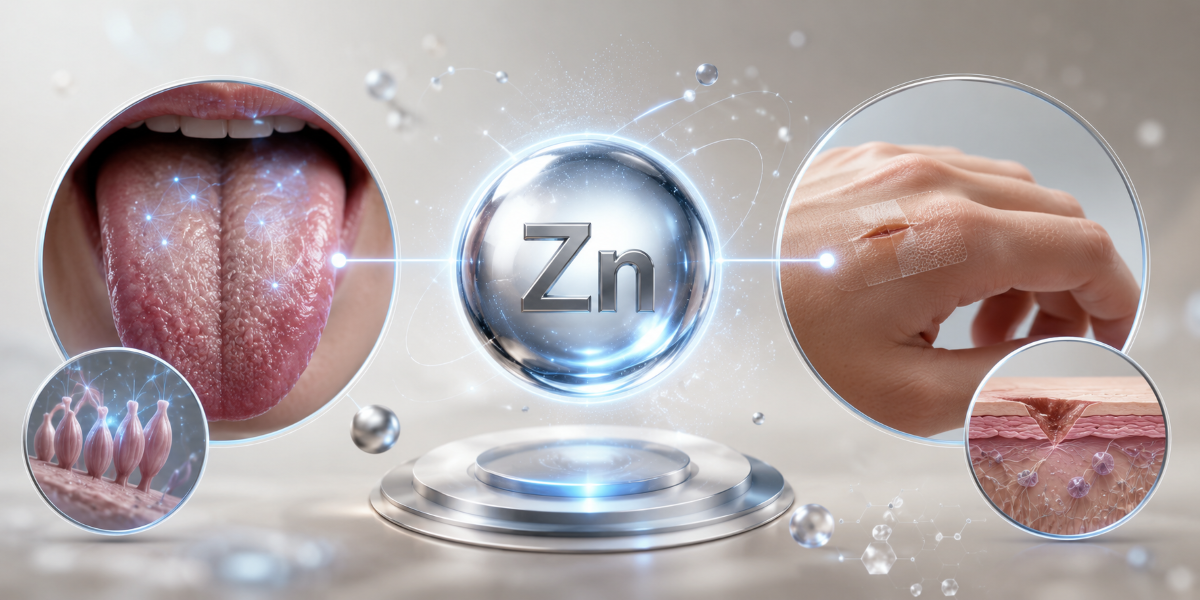
One of the common signs of zinc deficiency is a reduced sense of taste, which may also affect the sense of smell.
Zinc is involved in enzymes and neural pathways that support sensory signal transmission. When zinc levels are low, food may seem less flavorful, appetite may decline, and overall food intake may decrease.
This can create a cycle where reduced appetite leads to lower nutrient intake, which may further worsen nutritional status.
- Food tastes bland or less flavorful.
- Reduced sense of smell.
- Lower appetite.
- Reduced enjoyment of meals.
- Possible unintended changes in food intake or weight.
Slow Wound Healing
Zinc plays a major role in cell division, collagen formation, tissue repair, and immune defense at the wound site.
When zinc levels are low, the healing process may become slower, and the skin may take longer to recover from cuts, wounds, ulcers, or irritation.
The risk may be higher in older adults, people with diabetes, individuals with poor nutrition, or those with chronic wounds.
| Affected Area | Possible Symptoms | Why Zinc Matters |
|---|---|---|
| Taste and Smell | Reduced taste, reduced smell, poor appetite | Supports sensory enzymes and nerve signaling |
| Skin and Wounds | Slow healing, skin irritation, delayed tissue repair | Supports cell division and tissue regeneration |
| Immune System | Frequent infections or prolonged recovery | Supports immune cell development and response |
| Hair and Skin | Hair shedding, dry skin, rashes, acne-like changes | Supports skin barrier and follicle health |
Weakened Immune Function and Frequent Infections
Zinc supports the development and activity of immune cells and helps regulate immune responses.
A deficiency may weaken the body’s defense mechanisms, making infections more frequent or recovery slower than usual.
People with low zinc may experience more frequent colds, delayed recovery after illness, or increased vulnerability to infections.
Hair Loss and Skin Problems
Low zinc levels can negatively affect skin health and hair follicles.
This may result in increased hair shedding, dry skin, rough texture, rashes, acne-like changes, or slower recovery from skin irritation.
These symptoms are sometimes mistaken for isolated dermatological problems, but nutritional deficiencies may be an underlying contributor.
Effects on Growth, Energy, and Concentration
Zinc deficiency may also affect energy, appetite, concentration, and normal growth.
In adults, low zinc may contribute to fatigue, poor focus, reduced appetite, and slower recovery from stress or illness.
In children and adolescents, zinc deficiency may interfere with normal growth, development, appetite, immune health, and metabolic balance.
- Fatigue or low energy.
- Poor concentration or mental performance.
- Reduced appetite.
- Delayed growth in children and adolescents.
- Reduced recovery after illness or physical stress.
- Greater risk of nutritional imbalance when diet quality is poor.
Frequently Asked Questions
Can zinc deficiency affect taste?
Yes. Zinc deficiency may reduce the sense of taste and smell, making food seem less flavorful and lowering appetite.
Why does zinc deficiency slow wound healing?
Zinc supports cell division, tissue repair, collagen formation, and immune defense, all of which are important for proper wound healing.
Can low zinc cause frequent infections?
Yes. Zinc supports immune cell function, and low levels may contribute to more frequent infections or slower recovery.
What foods are good sources of zinc?
Good zinc sources include meat, seafood, poultry, eggs, dairy products, legumes, nuts, seeds, and whole grains.
Should zinc supplements be taken daily?
Daily zinc use depends on diet, health status, dose, and actual need. Long-term high-dose zinc should be avoided unless recommended by a healthcare professional.
Conclusion
Zinc deficiency is relatively common but often overlooked in its early stages. Symptoms such as impaired taste, reduced smell, slow wound healing, frequent infections, hair loss, and skin changes can be important warning signs.
A balanced diet rich in zinc-containing foods, proper evaluation of symptoms, and appropriate supplementation when needed can help restore balance and support immune health, skin repair, sensory function, and overall well-being.