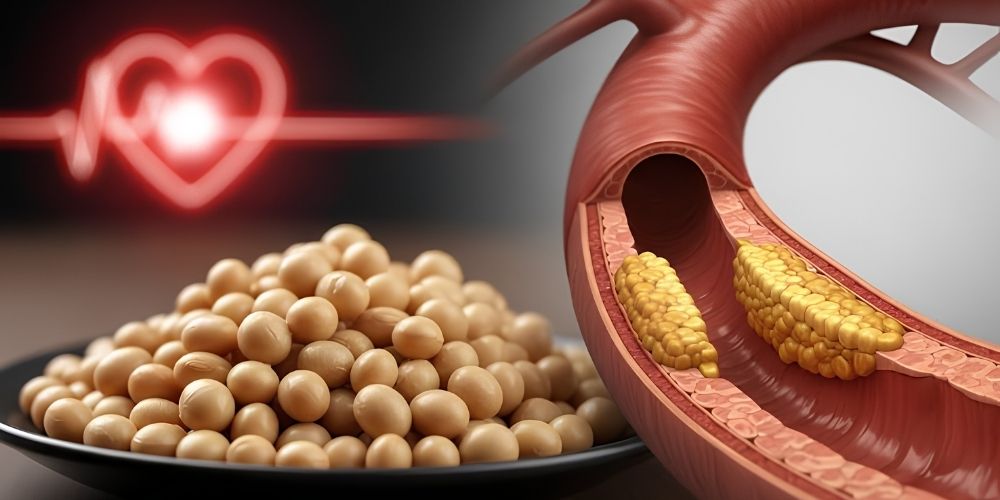


Nattokinase has gained increasing attention as a nutritional supplement for people interested in supporting cardiovascular health and healthy blood circulation. This enzyme is naturally produced during the fermentation of soybeans used to make natto, a traditional Japanese food. Today, nattokinase is also available in concentrated supplement forms and is often included in products designed to support heart and circulatory wellness.
Interest in nattokinase comes largely from research examining its relationship with fibrinolysis, blood pressure, and other processes involved in normal cardiovascular function. Because healthy circulation depends on a complex balance between blood flow, blood vessel function, and the body's natural mechanisms for regulating blood clot formation and breakdown, nattokinase has become an area of scientific interest.
Table of Contents
- What Is Nattokinase?
- How Does Nattokinase Work?
- 1. May Support Healthy Blood Circulation
- 2. May Support Healthy Blood Pressure
- 3. Supports Cardiovascular Wellness
- 4. May Support the Body’s Natural Fibrinolytic Activity
- 5. May Help Maintain Healthy Blood Vessel Function
- How to Take Nattokinase
- Recommended Heart & Circulation Supplements
- FAQ
- Conclusion
What Is Nattokinase?
Nattokinase is an enzyme produced during the fermentation of soybeans by Bacillus subtilis natto. It is most closely associated with natto, a traditional Japanese food made from fermented soybeans. During fermentation, the bacteria produce nattokinase along with other compounds that contribute to natto’s distinctive texture and nutritional characteristics.
Unlike vitamins and minerals, nattokinase is an enzyme, meaning it is a type of protein that can participate in specific biochemical reactions. It has attracted scientific interest because laboratory and human studies have investigated its potential influence on fibrinolytic activity, blood pressure, and other aspects of cardiovascular function.
Nattokinase supplements are typically standardized to provide a specified amount or activity of the enzyme. Product formulations can differ considerably, so the amount listed on a label may not always be directly comparable between products. Checking the product information and following the recommended serving is therefore important.
How Does Nattokinase Work?
Nattokinase is primarily studied for its potential relationship with the body’s fibrinolytic system, which is involved in breaking down fibrin, a protein that forms part of blood clots. Research suggests that nattokinase may influence several components of this system, although its precise effects in humans are still being investigated.
Some research has also examined nattokinase in relation to blood pressure and vascular health. Proposed mechanisms include effects on certain proteins involved in blood clotting and fibrinolysis, as well as potential effects on blood vessel function. However, these mechanisms do not mean that nattokinase acts like a prescription anticoagulant or that it can safely replace medication prescribed for cardiovascular conditions.
For this reason, nattokinase is best viewed as a complementary nutritional option rather than a medication. Maintaining healthy circulation also depends on regular physical activity, a balanced diet, healthy body weight, adequate sleep, not smoking, and appropriate management of cardiovascular risk factors.
1. May Support Healthy Blood Circulation
Healthy blood circulation is essential for delivering oxygen and nutrients throughout the body while helping remove metabolic waste. Nattokinase has attracted attention in this area because research has examined its potential effects on processes involved in normal blood flow and the body’s natural mechanisms for regulating blood clot formation and breakdown.
As an enzyme associated with fermented natto, nattokinase has been studied for its possible influence on fibrinolytic activity and other pathways related to circulation. Some research suggests that nattokinase may support normal blood flow by influencing proteins involved in the body’s natural clot-regulating processes. However, these findings do not establish nattokinase as a treatment for circulation disorders or existing blood clots.
Supporting healthy circulation also involves regular movement, maintaining a healthy weight, staying adequately hydrated, avoiding smoking, and following a balanced diet. Nattokinase may be considered as a complementary supplement for adults interested in cardiovascular wellness, but it should not replace prescribed treatment or medical advice.
2. May Support Healthy Blood Pressure
Maintaining healthy blood pressure is an important part of long-term cardiovascular wellness. Elevated blood pressure can place additional strain on blood vessels and the heart over time, which is why lifestyle habits and appropriate monitoring are important even when a person feels well.
Nattokinase has been investigated for its potential relationship with blood pressure. Some human studies have reported modest reductions in blood pressure measurements among participants taking nattokinase, although results have not been consistent across all research. Differences in study design, dosage, duration, and participant characteristics make it difficult to determine how much benefit nattokinase may provide for an individual.
For this reason, nattokinase should not be considered a substitute for blood-pressure medication or professional treatment. A heart-healthy eating pattern, regular physical activity, maintaining an appropriate body weight, limiting excessive sodium intake, managing stress, and getting adequate sleep remain important foundations for supporting healthy blood pressure.
3. Supports Cardiovascular Wellness
Cardiovascular wellness depends on several interconnected factors, including healthy blood vessels, normal circulation, appropriate blood pressure, and a balanced blood-clotting system. Nattokinase is of interest because research has explored its potential effects across several of these areas.
Some studies have investigated nattokinase in relation to markers associated with cardiovascular health, including blood pressure and fibrinolytic activity. These findings provide a reason for continued scientific interest, but they do not establish nattokinase as a proven method for preventing heart attacks, strokes, or other cardiovascular diseases.
A broader approach is more appropriate for maintaining heart health. Regular aerobic and resistance exercise, a diet rich in vegetables, fruits, whole grains, legumes, and unsaturated fats, avoiding tobacco, managing cholesterol and blood pressure, and attending recommended health screenings can all contribute to cardiovascular wellness.
4. May Support the Body’s Natural Fibrinolytic Activity
Fibrinolysis is the natural process through which the body breaks down fibrin, a protein that helps form blood clots. This system works alongside other mechanisms to maintain an appropriate balance between clot formation and clot breakdown. Nattokinase has attracted considerable research interest because of its potential influence on this process.
Laboratory and human research suggests that nattokinase may interact with components involved in fibrinolytic activity. These findings have led scientists to investigate whether nattokinase could have a role in supporting normal clot-regulating processes. However, the available evidence is not sufficient to conclude that nattokinase can prevent or dissolve clinically significant blood clots in people.
This distinction is particularly important because blood clotting is a complex physiological process. People who have been prescribed anticoagulant or antiplatelet medication should not use nattokinase as an alternative or combine it with medication without professional guidance.
5. May Help Maintain Healthy Blood Vessel Function
Healthy blood vessels are an important component of effective circulation and cardiovascular health. Blood vessels need to remain sufficiently flexible and responsive to changes in blood flow and pressure. Researchers have therefore explored whether nattokinase may influence certain factors associated with vascular function.
Some evidence suggests that nattokinase may have effects relevant to vascular health, including potential relationships with blood pressure and processes involved in circulation. However, research in this area is still developing, and more high-quality human studies are needed to determine the long-term cardiovascular effects of nattokinase supplementation.
Nattokinase can therefore be considered a potential component of a broader cardiovascular wellness strategy rather than a standalone solution for blood vessel health. Maintaining regular physical activity, eating a nutrient-rich diet, avoiding smoking, managing cardiovascular risk factors, and seeking medical care when symptoms occur remain essential for protecting long-term heart and circulatory health.
How to Take Nattokinase
Nattokinase supplements are available in different formulations and strengths, so the appropriate amount can vary between products. When choosing a nattokinase supplement, carefully review the product label, serving size, enzyme activity, and manufacturer's recommended instructions. Following the recommended serving is important because taking more does not necessarily provide greater cardiovascular benefits.
Nattokinase is often taken as part of a daily nutritional routine, but the best timing can depend on the specific formulation and individual circumstances. Some products may provide specific instructions regarding whether they should be taken with or between meals. Always follow the directions provided with the product rather than assuming that all nattokinase supplements should be used in the same way.
Because nattokinase may influence the body's blood-clotting and fibrinolytic processes, extra caution is important for people taking anticoagulant or antiplatelet medicines, including products prescribed to reduce the risk of blood clots. Anyone taking regular medication, preparing for surgery, or managing a cardiovascular or bleeding-related condition should speak with a healthcare professional before using nattokinase.
Nattokinase should be viewed as a complementary nutritional supplement rather than a replacement for prescribed cardiovascular treatment. A heart-supportive lifestyle—including regular physical activity, a balanced diet, healthy weight management, avoiding smoking, and appropriate monitoring of blood pressure and cholesterol—remains central to long-term cardiovascular wellness.
Recommended Heart & Circulation Supplements
Explore heart and circulation supplements designed to complement healthy lifestyle habits and support overall cardiovascular wellness. Nattokinase products may be considered by adults interested in nutritional support for healthy circulation, while broader cardiovascular ranges can provide additional options based on individual nutritional needs.
- Nattokinase Supplements
Ideal for: Adults interested in nattokinase as part of a nutritional routine focused on healthy circulation and cardiovascular wellness. - Heart Health Supplements
Ideal for: Adults looking for nutritional products designed to complement a heart-conscious lifestyle and support overall cardiovascular wellness. - Blood Circulation Support
Ideal for: Adults interested in nutritional products that complement healthy blood circulation and an active, balanced lifestyle.
Tip: Before choosing a nattokinase supplement, check the enzyme activity, serving size, ingredients, and recommended usage. If you take anticoagulant or antiplatelet medication, have a bleeding disorder, have a cardiovascular condition, are preparing for surgery, or regularly use other supplements that may affect blood clotting, consult a healthcare professional before starting nattokinase.
FAQ
1. What is nattokinase used for?
Nattokinase is commonly used as a nutritional supplement for cardiovascular and circulation support. Research has explored its potential effects on fibrinolytic activity, blood pressure, and other processes related to cardiovascular wellness, although evidence varies and it is not a replacement for medical treatment.
2. Can nattokinase support blood circulation?
Nattokinase has been studied for its potential influence on processes involved in blood clot breakdown and normal circulation. However, current evidence does not establish it as a treatment for circulation disorders or existing blood clots.
3. Does nattokinase help maintain healthy blood pressure?
Some research suggests that nattokinase may have a modest effect on blood pressure in certain people, but findings are not consistent enough to consider it a treatment for high blood pressure. Healthy lifestyle habits and appropriate medical care remain important.
4. Can I take nattokinase with blood thinners?
Nattokinase may affect blood-clotting and fibrinolytic processes, so combining it with anticoagulant or antiplatelet medicines may increase the risk of bleeding. Anyone taking blood-thinning medication should consult a healthcare professional before using nattokinase.
Conclusion
Nattokinase is an enzyme produced during the fermentation of soybeans used to make natto and has attracted growing interest for its potential role in heart health and healthy circulation. Research has explored its possible effects on blood pressure, fibrinolytic activity, cardiovascular wellness, and blood vessel function, although the strength of evidence varies across these areas.
For adults interested in nattokinase, it may be considered as part of a broader approach to cardiovascular wellness that includes regular physical activity, balanced nutrition, healthy weight management, avoiding smoking, and monitoring important cardiovascular risk factors. Nattokinase should complement these habits rather than replace prescribed medication or professional medical care.
Because nattokinase may influence processes involved in blood clotting, it is especially important to consider potential interactions with anticoagulant and antiplatelet medicines. People with cardiovascular or bleeding-related conditions, those preparing for surgery, and anyone taking regular medication should seek professional advice before supplementation.