

Ceramides & Skin Health: The Science-Backed Guide
Introduction
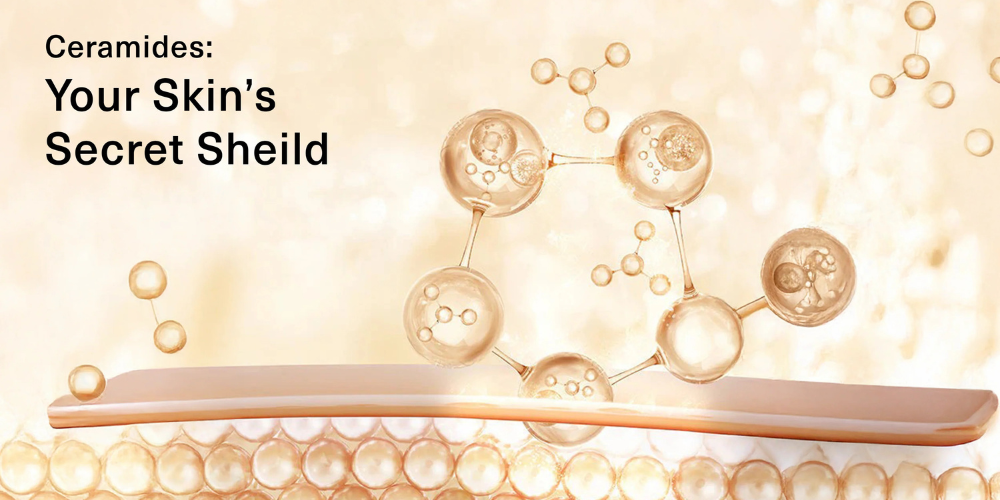
Ceramides are essential lipids that naturally exist in the outer layer of the skin and play a major role in maintaining a strong, healthy skin barrier.
When ceramide levels are balanced, the skin stays hydrated, smooth, and protected. When they decline, dryness, irritation, sensitivity, and premature aging become more likely.
This guide explains the science behind ceramides, how they support the skin barrier, and how to choose the right ceramide-based products for different skin types.
Table of Contents
What Are Ceramides?
Ceramides are lipid molecules (fats) that make up nearly 50% of the skin’s outer barrier, known as the stratum corneum.
They act like a “cement” between skin cells, holding them together and preventing moisture loss while protecting against environmental damage.
Without enough ceramides, the skin barrier becomes weak, leading to dryness, irritation, and sensitivity.
How Ceramides Support the Skin Barrier?
The skin barrier is the body’s first line of defense against environmental stressors.
- Prevents moisture loss (reduces transepidermal water loss)
- Protects against bacteria, pollution, and irritants
- Maintains skin hydration and elasticity
- Supports overall skin resilience
Ceramides work with cholesterol and fatty acids to form a strong lipid matrix that keeps the barrier stable and healthy.
Why Ceramide Levels Decrease?
Aging
Natural lipid production slows with age, leading to dryness and reduced skin elasticity.
Environmental Factors
Cold weather, pollution, and UV exposure can break down ceramide levels over time.
Harsh Skincare Products
Strong cleansers, alcohol-based products, and over-exfoliation can strip the skin barrier.
Skin Conditions
Conditions like eczema, psoriasis, and rosacea are often linked with reduced ceramide levels.
Types of Ceramides in Skincare
Different ceramides work together to maintain barrier strength:
- Ceramide NP: Supports overall barrier integrity
- Ceramide AP: Helps skin renewal and repair
- Ceramide EOP: Strengthens lipid structure
- Ceramide NG: Reduces moisture loss
- Ceramide EOS: Supports long-term hydration
Most effective formulas combine multiple ceramides with cholesterol and fatty acids for maximum barrier repair.
Who Benefits From Ceramides?
- Dry or dehydrated skin
- Sensitive or reactive skin
- Acne-prone skin using active treatments
- Mature skin with reduced lipid production
- Skin conditions like eczema or irritation
Even oily skin benefits from ceramides because they restore balance without clogging pores.
How to Use Ceramides in Your Routine?
Moisturizers
Apply ceramide moisturizers daily to lock in hydration and repair the skin barrier.
Serums
Ceramide serums can be layered under moisturizers for deeper barrier support.
Cleansers
Use gentle, ceramide-infused cleansers to avoid stripping the skin.
Eye Creams
Ceramide eye creams help protect the delicate under-eye area from dryness and fine lines.
Best Ingredient Pairings
- Hyaluronic acid (hydration boost)
- Niacinamide (boosts ceramide production)
- Glycerin (moisture retention)
- Centella asiatica (soothing support)
Recommended Ceramide Products
Skin1004 Madagascar Centella Soothing Cream
Best for: Sensitive, irritated skin
Skin type: All skin types (especially sensitive)
Aveeno Dermexa Soap-Free Body Wash
Best for: Eczema-prone body skin
Skin type: Dry / Sensitive skin
Skin1004 Madagascar Centella Daily Care Cream
Best for: Daily barrier maintenance
Skin type: Normal / Combination skin
Aveeno Dermexa pH Rebalance Cream
Best for: Very dry, itchy skin
Skin type: Dry / Damaged barrier
Eucerin Urea Repair Plus Lotion
Best for: Extremely dry, rough skin
Skin type: Very dry / Flaky skin
Anua Rice 7+ Ceramide Hydrating Barrier Serum
Best for: Barrier repair + glow
Skin type: Dull / Dehydrated skin
CeraVe Eye Repair Cream
Best for: Fine lines & under-eye dryness
Skin type: All skin types
Conclusion
Ceramides are one of the most important ingredients for maintaining a strong, healthy skin barrier.
Consistent use helps improve hydration, reduce sensitivity, and support long-term skin health across all skin types.