

SAMe, short for S-adenosyl-L-methionine, is a naturally occurring compound found throughout the body and involved in many essential biochemical processes. Although it may be less familiar than vitamins and minerals, SAMe has attracted growing interest as a dietary supplement because of its potential role in supporting mood, liver function, joint health, and normal cellular processes.
Interest in SAMe has also increased because of its connection with glutathione production and antioxidant defenses. Since the liver relies on several methylation and antioxidant pathways to perform its normal functions, researchers have investigated whether supporting these pathways with SAMe may contribute to healthy liver function.
In this guide, we'll explore what SAMe is, how it works, its potential health benefits, its role in mood, liver and joint health, possible side effects, safety considerations, and how to choose a high-quality SAMe supplement. Understanding both the potential benefits and limitations can help you make a more informed decision about whether SAMe fits into your overall wellness plan.
Table of Contents
What Is SAMe?
SAMe, or S-adenosyl-L-methionine, is a compound naturally produced by the body from methionine and ATP. It is found in virtually all tissues and plays a central role in biochemical reactions known as methylation. These reactions involve transferring a methyl group to other molecules, helping regulate important processes related to cellular function, neurotransmitter metabolism, proteins, and genetic activity.
SAMe also contributes to the synthesis of several compounds involved in normal physiological function, including certain phospholipids and neurotransmitters. In addition, it is connected to pathways involved in the body's production of glutathione, an important antioxidant that helps protect cells from oxidative stress.
Although the body produces SAMe naturally, researchers have studied supplemental SAMe to determine whether increasing its availability may provide additional support in specific health conditions. The most commonly researched areas include mood support, liver health, and joint health.
It is important to distinguish SAMe from essential vitamins or minerals. SAMe is a naturally occurring metabolic compound rather than a conventional nutrient that the body must obtain directly from food. Supplementation therefore has a more specific purpose and should be considered according to individual needs.
How Does SAMe Work in the Body?
SAMe acts primarily as a methyl donor, meaning it supplies methyl groups used in numerous biochemical reactions. Methylation is essential for normal cellular activity and is involved in the metabolism of neurotransmitters, proteins, lipids, and other molecules.
After donating a methyl group, SAMe is converted through a series of metabolic reactions and can contribute to pathways that ultimately support the body's production of glutathione. This connection is one reason SAMe has been investigated for its potential role in maintaining normal liver function and cellular antioxidant defenses.
SAMe is also involved in processes related to neurotransmitter metabolism. Because neurotransmitters influence mood and nervous-system function, researchers have investigated whether SAMe supplementation may have a role in supporting emotional well-being.
Overall, SAMe functions as part of a complex network of biochemical pathways rather than acting through a single mechanism. Its potential health effects therefore depend on the specific biological process being considered and the individual's underlying health status.
Health Benefits of SAMe
SAMe has been studied for several potential health benefits, particularly in areas involving mood, liver function, and joint health. Its biological role in methylation and the production of important cellular compounds provides a scientific basis for continued research. However, the strength of evidence varies by condition, so SAMe should be considered supportive rather than a guaranteed treatment.
1. May Support Mood and Emotional Well-Being
One of the most researched potential benefits of SAMe is its relationship with mood and emotional health. SAMe participates in biochemical pathways involved in the metabolism of neurotransmitters, including compounds associated with normal mood regulation.
Clinical research has investigated SAMe both on its own and alongside conventional antidepressant treatment. Some studies suggest it may provide mood-supporting benefits in certain individuals, although results are not consistent enough to consider SAMe an appropriate replacement for prescribed treatment.
Anyone experiencing persistent low mood, depression, or other significant mental health symptoms should speak with a healthcare professional rather than relying solely on a supplement.
Potential benefits include:
- Supports normal neurotransmitter metabolism.
- May contribute to emotional well-being.
- Has been studied as an adjunctive option for mood support.
- Supports biochemical pathways involved in nervous-system function.
2. Supports Healthy Liver Function
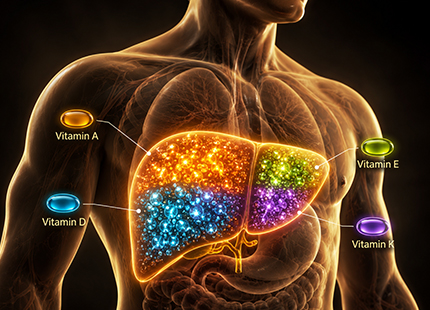
SAMe plays an important role in several biochemical processes within the liver. One of its notable connections is with glutathione, an antioxidant that contributes to the liver's natural defense against oxidative stress.
Researchers have investigated SAMe in different areas of liver health because liver cells depend on adequate methylation and antioxidant pathways for normal function. Some clinical research has explored its potential role in specific liver-related conditions, but the results should not be interpreted as evidence that SAMe can independently treat liver disease.
For individuals with diagnosed liver problems, professional medical evaluation remains essential before using SAMe or any other supplement.
Potential benefits include:
- Supports normal liver metabolism.
- Contributes to pathways involved in glutathione production.
- Supports the body's natural antioxidant defenses.
- Provides nutritional support for normal cellular function.
3. May Support Joint Health and Comfort
SAMe has also been studied for its potential role in maintaining joint comfort, particularly in people experiencing symptoms associated with osteoarthritis. Researchers have investigated whether SAMe may help support comfortable movement and reduce certain symptoms associated with joint degeneration.
The exact mechanisms are not fully understood, but SAMe's involvement in cellular and methylation processes may contribute to its potential effects on joint tissues and inflammatory pathways.
While some studies have reported improvements in joint-related symptoms, individual responses can vary. SAMe should therefore be viewed as a potential supportive option rather than a cure for arthritis or a replacement for medical care.
Potential benefits include:
- May support joint comfort.
- May help maintain mobility.
- Has been studied in people with osteoarthritis.
- May complement a broader joint-health strategy.
4. Supports Methylation and Cellular Function
Methylation is one of the body's fundamental biochemical processes, and SAMe serves as an important methyl donor. Methylation reactions occur throughout the body and are involved in the normal function of DNA, proteins, lipids, and neurotransmitters.
By participating in these reactions, SAMe contributes to numerous cellular processes rather than targeting only one specific organ or system. This broad biological role is an important reason SAMe continues to be studied in nutritional and clinical research.
SAMe contributes to:
- Normal methylation reactions.
- Neurotransmitter metabolism.
- Phospholipid synthesis.
- Normal cellular biochemical activity.
5. May Support Healthy Homocysteine Metabolism
SAMe is part of the methionine cycle, a metabolic pathway involved in the processing of methionine and related compounds such as homocysteine. This pathway is closely connected with methylation and the body's ability to recycle certain metabolic intermediates.
Maintaining normal function of these pathways is important for overall metabolic health. However, SAMe supplementation should not be considered a direct treatment for elevated homocysteine levels. Individuals with abnormal laboratory results should discuss appropriate nutritional and medical interventions with their healthcare provider.
How to Take SAMe
The appropriate way to take SAMe depends on the product formulation, intended use, and individual health needs. SAMe supplements are commonly available as tablets or capsules, with many products using an enteric-coated formulation to help protect the ingredient as it passes through the stomach.
Because SAMe products can vary considerably in strength and formulation, it is best to follow the serving instructions provided on the product label rather than assuming that a higher amount will provide greater benefits.
Some SAMe products are recommended for use between meals, while others may have specific instructions based on their formulation. Always follow the manufacturer's directions for the product you are using.
Consistency is also important when using a supplement for ongoing nutritional support. However, if you are taking SAMe for a specific health concern, particularly mood or liver-related issues, the appropriate dose and duration should be discussed with a healthcare professional.
Before starting SAMe, consider:
- The intended reason for supplementation.
- The strength and formulation of the product.
- Other medications and supplements you currently use.
- Your existing health conditions.
- The recommended serving size on the product label.
SAMe Safety, Side Effects, and Interactions
SAMe is generally well tolerated by many adults when used appropriately, but side effects can occur. The most commonly reported effects are usually digestive or mild in nature and may vary depending on the amount taken.
Possible side effects may include:
- Nausea or stomach discomfort.
- Diarrhea or changes in bowel habits.
- Headache.
- Insomnia or difficulty sleeping.
- Restlessness or anxiety in some individuals.
One of the most important safety considerations involves medication interactions. Because SAMe may influence neurotransmitter-related pathways, combining it with certain antidepressants or other medications that affect serotonin may require medical supervision.
People with bipolar disorder or a history of manic episodes should also exercise particular caution, as supplements that influence mood-related pathways may potentially affect mood stability.
Speak with a healthcare professional before using SAMe if you:
- Take antidepressants or other prescription medications.
- Have bipolar disorder or a history of mania.
- Have a diagnosed liver or other chronic health condition.
- Are pregnant or breastfeeding.
- Take multiple supplements or medications regularly.
If you experience significant mood changes, severe digestive symptoms, unusual agitation, or other concerning reactions after starting SAMe, discontinue use and seek appropriate medical advice.
Who Should Avoid or Use Caution With SAMe?
Although SAMe is a naturally occurring compound, natural does not automatically mean appropriate for everyone. Certain individuals may need professional guidance before adding it to their supplement routine.
People taking medications for depression, anxiety, or other psychiatric conditions should discuss SAMe with their healthcare provider before use. This is particularly important because combining supplements with medications that affect neurotransmitters may produce unwanted effects.
People with bipolar disorder should also avoid self-treating with SAMe because of the potential for mood destabilization. Pregnant or breastfeeding individuals should seek medical advice before using SAMe because safety information in these populations is limited.
Anyone with an ongoing medical condition or unexplained symptoms should also address the underlying health issue rather than relying on supplementation alone.
Recommended SAMe & Wellness Supplements
Choosing the right supplement can help complement a balanced diet and healthy lifestyle. Explore selected options for SAMe, liver health, joint support, mood, and relaxation to find products that may fit your individual wellness goals.
- SAMe Supplements
Ideal for: Adults looking for nutritional support related to methylation, mood, liver health, and overall cellular wellness. - Liver Health Supplements
Ideal for: Individuals looking for nutritional support for normal liver function, antioxidant protection, and overall liver wellness. - Joint Support Supplements
Ideal for: Adults seeking nutritional support for joint comfort, mobility, flexibility, and long-term joint health. - Laperva Positive Mood 60 Veggie Capsules
Ideal for: Adults looking for nutritional support for positive mood, emotional well-being, and a balanced daily wellness routine. - Sleep & Relaxation Support Supplements
Ideal for: Individuals seeking nutritional support for relaxation, restful sleep, and overall nighttime wellness.
Tip: Always check the product label, recommended serving size, ingredients, and precautions before use. If you take prescription medications or have an ongoing health condition, consult a healthcare professional before starting a new supplement.
FAQ
1. What is SAMe used for?
SAMe is a naturally occurring compound involved in methylation and several important biochemical processes. As a supplement, it has been studied for mood support, liver health, and joint comfort, particularly in relation to osteoarthritis. Its effectiveness may vary depending on the individual and the reason for use.
2. Can SAMe improve mood?
SAMe has been studied for its potential role in supporting mood because it participates in biochemical pathways involved in neurotransmitter metabolism. Some research suggests that it may support depressive symptoms in certain individuals, but it should not replace prescribed treatment. Anyone experiencing persistent depression or taking antidepressants should consult a healthcare professional before using SAMe.
3. Is SAMe good for liver health?
SAMe contributes to biochemical pathways involved in normal liver function and glutathione production. Research has investigated its potential role in supporting certain aspects of liver health, but it is not a substitute for medical treatment of liver disease. People with liver conditions should seek professional advice before taking SAMe.
4. Can SAMe help with joint pain?
SAMe has been studied for its potential to support joint comfort and mobility, particularly in people with osteoarthritis. Some research suggests it may help with certain symptoms, although results vary. It should be considered part of a broader joint-health strategy rather than a replacement for medical care.
5. What are the side effects of SAMe?
SAMe is generally well tolerated by many adults, but possible side effects may include nausea, stomach discomfort, diarrhea, headache, restlessness, or difficulty sleeping. Following the recommended serving size may help reduce the likelihood of unwanted effects.
6. Can I take SAMe with antidepressants?
SAMe may interact with medications that affect neurotransmitter levels, including some antidepressants. Combining them without professional supervision may increase the risk of unwanted effects. Always speak with your healthcare provider before taking SAMe alongside prescription medication for mood or mental health.
Conclusion
SAMe is a naturally occurring compound with an important role in methylation, neurotransmitter metabolism, cellular function, and pathways related to glutathione production. These biological functions have made SAMe an area of interest for nutritional and clinical research, particularly in relation to mood, liver health, and joint comfort.