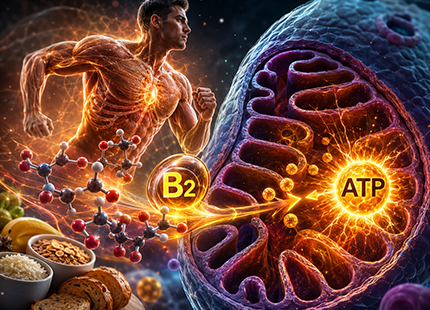



Muscle protein synthesis, commonly known as MPS, is the biological process responsible for building and repairing muscle fibers after exercise.
Whey protein plays a central role in stimulating this process because it provides fast-digesting, high-quality amino acids that support muscle repair, recovery, and growth. This is one reason whey protein is widely used by athletes, bodybuilders, and active individuals after training.
Table of Contents
What Is Muscle Protein Synthesis MPS?
Muscle protein synthesis is the process by which the body builds new muscle proteins to repair and strengthen muscle tissue.
After resistance training or intense exercise, muscle fibers experience stress and microscopic damage. The body then responds by repairing these fibers and building them back stronger when enough protein, amino acids, rest, and training stimulus are available.
Muscle mass depends on the balance between muscle protein synthesis and muscle protein breakdown. When synthesis exceeds breakdown consistently over time, muscle growth becomes more likely.
The Role of Amino Acids in Stimulating MPS
The stimulation of muscle protein synthesis depends strongly on the availability of essential amino acids.
Among these amino acids, leucine is especially important because it acts as a key signal that helps activate the cellular pathway responsible for starting muscle protein building.
When the body receives enough essential amino acids after exercise, it has the raw materials and the signal needed to repair damaged muscle fibers and support adaptation.
- Essential amino acids provide the building blocks for muscle repair.
- Leucine acts as a major trigger for muscle protein synthesis.
- Higher-quality proteins generally provide better amino acid support.
- Post-workout amino acid availability supports recovery.
- Total daily protein intake remains important for long-term results.
Why Is Whey Protein Highly Effective?
Whey protein is considered highly effective because it contains all essential amino acids and is naturally rich in leucine.
It is also rapidly digested and absorbed, leading to a quick rise in blood amino acid levels after consumption. This fast amino acid delivery can strongly stimulate muscle protein synthesis, especially after exercise.
This makes whey protein particularly useful when the goal is fast recovery, convenient protein intake, and support for lean muscle development.
| Feature | Why It Matters | Benefit for MPS |
|---|---|---|
| High Leucine Content | Leucine helps trigger muscle protein synthesis | Supports a stronger muscle-building signal |
| Fast Absorption | Amino acids reach the bloodstream quickly | Useful after workouts when muscles are sensitive to nutrients |
| Complete Protein | Provides all essential amino acids | Supports repair and rebuilding of muscle fibers |
| Convenience | Easy to consume after training | Helps meet daily protein targets consistently |
The Impact of Whey Protein Timing
Consuming whey protein after exercise may enhance the muscle protein synthesis response because trained muscles become more sensitive to amino acids during the recovery period.
Post-workout whey protein can help reduce muscle protein breakdown, support repair, and accelerate recovery when combined with proper nutrition and rest.
Although the post-workout period is useful, total daily protein intake is still the most important factor. Whey protein works best when it helps complete your daily protein needs, not when used randomly without enough overall nutrition.
Whey Protein Compared to Other Protein Sources
Compared with slower-digesting proteins such as casein, whey protein produces a faster rise in blood amino acids.
Compared with some plant-based proteins, whey often provides a higher concentration of essential amino acids and leucine per serving.
This does not mean other proteins are not useful. Casein, eggs, meat, fish, dairy, and well-planned plant proteins can all support muscle repair. However, whey has a clear advantage when fast post-workout amino acid delivery is the goal.
- Whey protein: fast digestion and strong post-workout MPS support.
- Casein protein: slower digestion and useful for longer amino acid release.
- Egg protein: high-quality complete protein.
- Meat and fish: complete protein with additional nutrients.
- Plant proteins: useful when total intake and amino acid quality are planned well.
Practical Tips for Better Results
To get the best results from whey protein, it should be used as part of a structured nutrition and training plan.
Many people use whey protein after training because it is convenient, fast-digesting, and easy to mix. It can also be used at other times of the day to help reach protein targets.
The ideal amount depends on body weight, training intensity, total diet, and fitness goals, but a serving that provides around 20 to 30 grams of protein is commonly used after workouts.
- Use whey protein after resistance training to support recovery.
- Choose a product that clearly lists protein per serving.
- Combine whey with a balanced diet, not as a replacement for all meals.
- Distribute protein intake across the day for better muscle support.
- Choose whey isolate if you need lower lactose or lower fat options.
- Stay consistent with training, sleep, and total protein intake.
Frequently Asked Questions
What is muscle protein synthesis?
Muscle protein synthesis is the process of building new muscle proteins to repair and strengthen muscle fibers after exercise.
Why is whey protein good for MPS?
Whey protein is rich in essential amino acids and leucine, and it is rapidly absorbed, making it effective for stimulating muscle protein synthesis after training.
Is leucine important for muscle growth?
Yes. Leucine is one of the key amino acids that helps signal the body to begin muscle protein synthesis.
When is the best time to take whey protein?
Whey protein is commonly taken after workouts, but it can also be used anytime during the day to help meet total daily protein needs.
Is whey better than other proteins?
Whey is especially effective after workouts because it digests quickly and is high in leucine, but other protein sources can also support muscle growth when total intake is adequate.
Conclusion
Whey protein is one of the most effective nutritional tools for stimulating muscle protein synthesis due to its rapid absorption and high leucine content.
When used appropriately, especially after resistance training, whey protein can support muscle repair, recovery, and long-term athletic performance. For best results, it should be combined with consistent training, enough daily protein, balanced nutrition, and proper recovery habits.