

Phosphorus is an essential mineral that the body needs in moderate amounts. It plays an important role in the formation of bones and teeth, energy production, and many cellular functions.
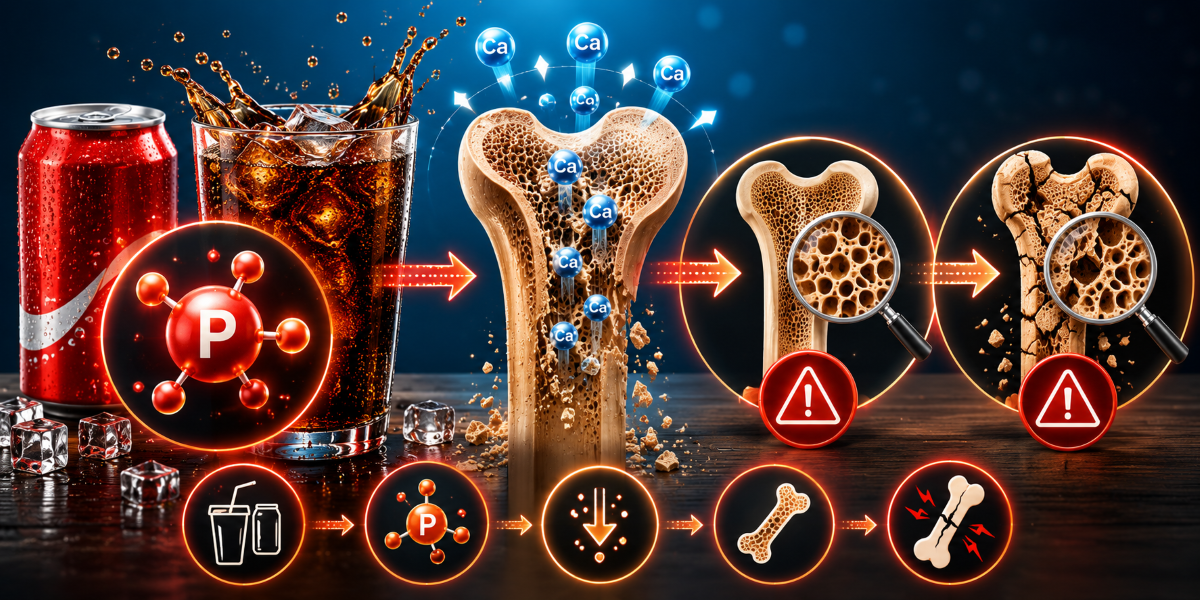
However, excessive phosphorus intake, especially from soft drinks and processed products that contain phosphate additives, may negatively affect bone health over time by disrupting the balance between phosphorus and calcium.
Table of Contents
Why Phosphorus Matters for Bone Health
Phosphorus works closely with calcium to support the structure and strength of bones and teeth.
In normal amounts, phosphorus is necessary for healthy bone mineralization. It also contributes to energy metabolism and helps support many important biological processes.
The problem occurs when phosphorus intake becomes too high, especially when calcium intake is low or when phosphorus comes mainly from processed foods and soft drinks.
Effect of Excess Phosphorus on Bones
High phosphorus intake may create an imbalance between calcium and phosphorus, which is essential for maintaining strong bones.
When phosphorus levels are too high, the body may have difficulty maintaining proper calcium balance. This may affect calcium absorption and bone mineral density over time.
If this imbalance continues for a long period, it may contribute to weaker bones and increase the risk of osteoporosis, fractures, and gradual bone deterioration.
Soft Drinks as a Major Source of Phosphorus
Many soft drinks, especially cola-type beverages, may contain phosphate additives that can increase phosphorus intake quickly.
Unlike phosphorus from natural foods, phosphate additives in processed drinks and foods may be absorbed more rapidly, making excessive intake easier.
Frequent consumption of soft drinks may also replace healthier beverages such as milk, fortified drinks, or water, reducing calcium and vitamin D intake at the same time.
| Source | Potential Concern | Better Choice |
|---|---|---|
| Soft Drinks with Phosphates | May increase phosphorus intake and reduce calcium balance | Water, mineral water, or unsweetened drinks |
| Processed Foods | May contain phosphate additives | Whole foods and fresh meals |
| Calcium-Rich Foods | Support bone mineral balance | Milk, yogurt, cheese, leafy greens, fortified foods |
Role of Nutritional Balance
Maintaining a healthy balance between calcium and phosphorus is crucial for long-term bone health.
This balance can be supported by reducing soft drinks and processed foods high in phosphate additives while increasing natural sources of calcium and vitamin D.
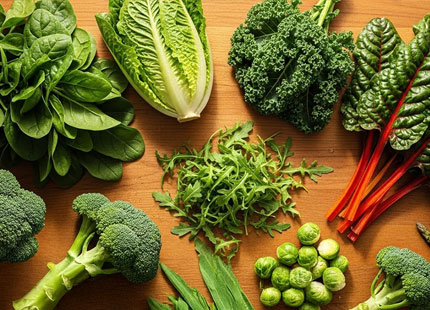
Calcium-rich foods such as milk, yogurt, cheese, leafy green vegetables, and fortified foods can help support bone density when included in a balanced diet.
Preventive Tips for Better Bone Health
Reducing excess phosphorus from artificial sources is an important step toward protecting bone density and supporting mineral balance.
- Limit soft drinks, especially cola-type beverages.
- Reduce artificially sweetened drinks that may contain phosphate additives.
- Replace soft drinks with water, infused water, or natural drinks without added phosphates.
- Eat calcium-rich foods such as dairy products, leafy greens, sesame, almonds, and fortified foods.
- Support calcium absorption with adequate vitamin D from sunlight, food, or supplements when needed.
- Read ingredient labels and look for phosphate additives in processed foods and drinks.
- Maintain regular resistance training or weight-bearing activity to support bone strength.
Who Should Be More Careful?
Some individuals may need to pay closer attention to phosphorus intake and bone-supporting nutrients.
- People who drink soft drinks frequently.
- Individuals with low calcium or vitamin D intake.
- Teenagers and young adults during bone-building years.
- Older adults at higher risk of bone loss.
- Women after menopause who may be more prone to reduced bone density.
- People with kidney disease or mineral balance disorders.
For these groups, reducing phosphate-rich processed drinks and improving calcium and vitamin D intake may help support stronger bones over time.
Frequently Asked Questions
Is phosphorus bad for bones?
No. Phosphorus is essential for bone health, but excessive intake, especially with low calcium intake, may negatively affect bone mineral balance.
Do soft drinks reduce bone density?
Frequent soft drink intake may contribute to poorer bone health if it increases phosphate intake and replaces calcium-rich drinks or foods.
What foods help protect bone density?
Calcium-rich foods, vitamin D sources, leafy greens, dairy products, fortified foods, nuts, seeds, and balanced protein intake can support bone health.
Are all phosphorus sources harmful?
No. Natural phosphorus from whole foods is part of a healthy diet. The main concern is excessive intake from phosphate additives and poor mineral balance.
How can I reduce phosphorus from soft drinks?
Limit cola and processed beverages, choose water or natural drinks, and check labels for phosphate additives.
Conclusion
Excess phosphorus from soft drinks and phosphate additives may increase the risk of reduced bone density and weakened bones when consumed frequently, especially with low calcium intake.
Maintaining mineral balance through a proper diet, limiting artificial phosphorus sources, increasing calcium and vitamin D intake, and staying physically active can support long-term bone and joint health.