

Detoxification: What It Really Means and Whether You Actually Need It
Introduction
Detoxification has become one of the most popular health topics in recent years. From detox teas and juice cleanses to supplement programs promising to "flush toxins," countless products claim to cleanse the body and restore health.
But does the body really need a detox? Is detoxification scientifically supported, or is it simply a marketing trend?
The truth lies somewhere in the middle. While the human body is naturally equipped with sophisticated detoxification systems that work around the clock, modern lifestyles can place additional stress on these processes. Understanding how detoxification actually works can help you make informed decisions and avoid ineffective or unrealistic detox claims.
Table of Contents
What Is Detoxification?
Detoxification is the body's natural process of identifying, neutralizing, and eliminating harmful substances.
These substances may include:
- Environmental pollutants
- Alcohol
- Tobacco smoke
- Metabolic waste products
- Excess hormones
- Food additives and preservatives
- Certain medications
The body's primary detoxification organs include:
Liver
The liver acts as the body's main filtration center, converting harmful compounds into forms that can be safely removed.
Kidneys
The kidneys filter blood and remove waste through urine.
Digestive System
The intestines help eliminate waste products and unwanted substances.
Lungs
The lungs remove carbon dioxide and airborne toxins.
Skin
Sweating helps regulate body temperature and removes small amounts of waste products.
The important fact is that your body is detoxifying itself every minute of every day, even while you sleep.
How Does Your Body Detoxify Itself?
Detoxification occurs through several coordinated biological processes that continuously identify, process, and eliminate potentially harmful substances from the body.
Phase 1: Transformation
The liver plays a central role in the first stage of detoxification by using specialized enzyme systems to break down toxins into intermediate compounds. These substances may include alcohol, medications, environmental chemicals, and metabolic waste products.
During this phase, compounds are chemically modified so they can be processed safely in the next stage of detoxification.
Phase 2: Neutralization
In the second phase, the liver converts these intermediate compounds into water-soluble forms that are easier for the body to eliminate.
This process depends on key nutrients such as amino acids, vitamins, minerals, and antioxidants, which support enzymatic reactions and help neutralize potentially harmful byproducts.
Phase 3: Elimination
After processing, the body removes these substances through multiple elimination pathways:
- Urine
- Stool
- Sweat
- Breath
Efficient elimination depends on properly functioning kidneys, digestive system, lungs, and skin.
For optimal detoxification, the body requires:
- Adequate hydration
- Sufficient protein intake
- Essential vitamins and minerals
- Antioxidant-rich foods (fruits and vegetables)
- Healthy digestion and regular bowel movements
When these systems are functioning optimally, the body can efficiently manage waste products continuously, without the need for extreme detox programs or restrictive cleanses.
How Do I Know If My Body Is Full of Toxins?
The term "toxin overload" is widely used in marketing, but there is no specific medical test that confirms that a healthy individual is "full of toxins."
In reality, the liver, kidneys, digestive system, and lungs work continuously to remove waste products and metabolic byproducts from the body.
However, certain lifestyle factors such as poor diet, lack of sleep, chronic stress, dehydration, and low physical activity may place additional strain on these systems, leading to general feelings of unwellness.
Possible signs associated with reduced overall wellness may include:
- Persistent fatigue
- Poor concentration or brain fog
- Digestive discomfort
- Bloating
- Frequent headaches
- Low energy levels
- Poor sleep quality
- Dull or tired-looking skin
- Feeling sluggish after meals
It is important to understand that these symptoms are non-specific and may be linked to many different factors, including nutritional deficiencies, hormonal imbalance, stress, sleep disorders, or underlying medical conditions.
If these symptoms persist or interfere with daily life, it is advisable to consult a healthcare professional for proper evaluation and diagnosis rather than assuming toxin accumulation.
How Can I Detoxify My Body Naturally?
Instead of extreme cleanses, experts generally recommend supporting the body's natural detoxification systems rather than trying to force rapid elimination.
Stay Hydrated
Water supports kidney function by helping the body filter and remove waste products through urine. Consistent hydration throughout the day helps maintain efficient metabolic and elimination processes.
Eat More Fiber
Dietary fiber supports healthy digestion and regular bowel movements, which play an important role in eliminating waste from the body.
Excellent sources include:
- Vegetables
- Fruits
- Whole grains
- Legumes
- Seeds
Increase Antioxidant Intake
Antioxidants help protect cells from oxidative stress caused by free radicals, supporting overall cellular health and normal detoxification function.
Top sources include:
- Berries
- Citrus fruits
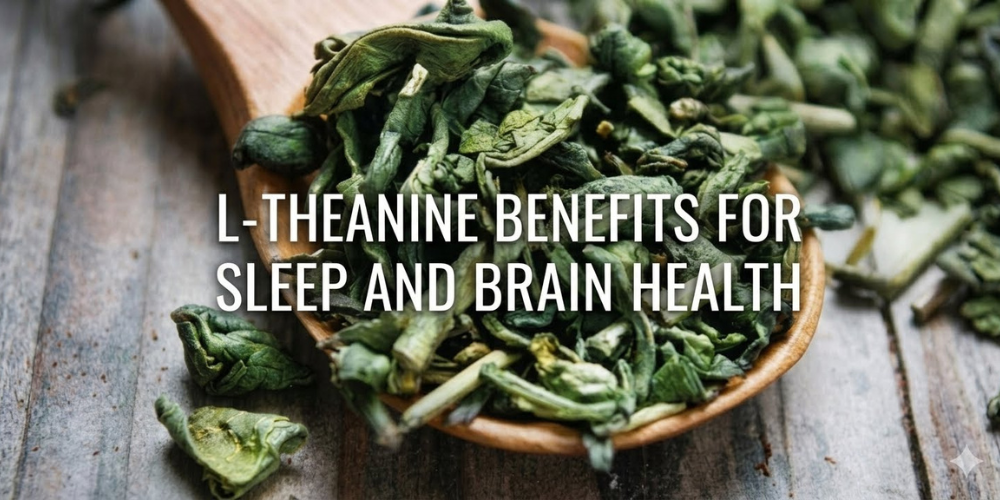
- Green tea
- Leafy greens
- Turmeric
Prioritize Quality Sleep
During sleep, the body activates repair and recovery processes that support normal metabolic and detoxification functions.
Aim for 7–9 hours of quality sleep per night to support overall health.
Exercise Regularly
Regular physical activity improves circulation, supports metabolism, and enhances the body's natural waste elimination systems through sweat and improved organ function.
Reduce Alcohol Consumption
Alcohol places significant stress on the liver. Reducing intake helps the liver focus on its normal metabolic and detoxification roles more efficiently.
Support Gut Health
A healthy gut microbiome plays a key role in digestion, nutrient absorption, and elimination of waste products.
Include:
- Probiotic foods
- Prebiotic-rich foods
- Fermented foods
How Long Does Detoxification Take?
Natural detoxification is a continuous biological process rather than a short-term event. The body works constantly to process and eliminate waste.
However, improvements in overall wellbeing may be noticed after adopting healthier habits:
- Hydration improvements: 24–72 hours
- Reduced bloating: Several days to 2 weeks
- Improved energy levels: 1–4 weeks
- Better digestion: 2–6 weeks
- Healthier skin appearance: 4–8 weeks
Results vary depending on diet quality, physical activity, sleep patterns, alcohol intake, and overall health status.
Recommended Products
Certain nutrients may help support the body's natural detoxification pathways when combined with a balanced lifestyle.
Milk Thistle
Traditionally used to support liver function and antioxidant activity.
N-Acetyl Cysteine (NAC)
Supports glutathione production, one of the body’s key antioxidants involved in detoxification pathways.
Omega-3 Fatty Acids
Support cellular health, brain function, and healthy inflammatory balance.
Probiotics
Support gut health, digestion, and microbiome balance, which plays a key role in overall elimination processes.
Fiber Supplements
Help support regular bowel movements and improve daily fiber intake.
Green Tea Extract
Rich in antioxidant compounds that may support overall cellular health.
Important: Supplements should support healthy habits and not replace a balanced diet or lifestyle.
Recommended Detox Products
FAQ
Is detoxification real?
Yes. Detoxification is a natural biological process carried out continuously by the liver, kidneys, digestive system, lungs, and skin.
Do detox teas work?
Most detox teas mainly increase urination or bowel movement. They do not remove toxins in the way marketing claims suggest.
Does sweating remove toxins?
Sweating removes very small amounts of waste, but the liver and kidneys remain the main detox organs.
Is fasting necessary for detoxification?
No. The body does not require fasting to perform detoxification, as it works continuously.
Can supplements detox the body?
No supplement can fully detox the body. Some nutrients may support natural detox pathways, but they cannot replace biological systems.
Conclusion
Detoxification is not a myth, but it is often misunderstood and over-marketed.
The body already has highly efficient systems for detoxification that work continuously through the liver, kidneys, digestive tract, lungs, and skin. Instead of relying on extreme cleanses or quick fixes, the best approach is to support these natural processes through consistent healthy habits.
True detox support is not about short-term programs—it is about long-term balance, nutrition, hydration, sleep, and lifestyle quality.