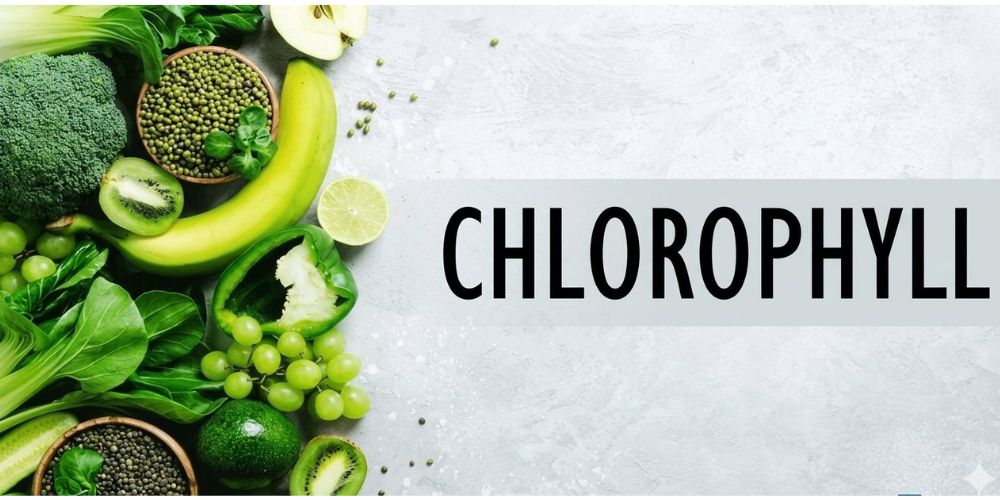


Chlorophyll is best known as the natural green pigment that gives many plants their vibrant color, but its role goes far beyond appearance. Found abundantly in leafy green vegetables such as spinach, parsley, and kale, chlorophyll is essential for photosynthesis, the process plants use to convert light into energy. In recent years, chlorophyll supplements, particularly liquid chlorophyll products, have gained attention among people looking for convenient ways to add plant-based compounds to their daily wellness routine.
One important distinction is often overlooked: chlorophyll and chlorophyllin are not exactly the same. Chlorophyll is the naturally occurring pigment found in plants, while chlorophyllin is a water-soluble, modified form of chlorophyll that is commonly used in dietary supplements. Understanding this difference can help you make a more informed choice when comparing chlorophyll supplements and evaluating their potential benefits.
Table of Contents
What Is Chlorophyll?
Chlorophyll is a group of green pigments naturally produced by plants and algae. It plays a central role in photosynthesis, allowing plants to capture light energy and use it to produce carbohydrates. Chlorophyll is particularly abundant in dark green vegetables, which is one reason these foods are commonly associated with a nutrient-rich diet.
Although chlorophyll itself is not an essential human nutrient in the same way as vitamins and minerals, it contains compounds that have attracted scientific interest because of their antioxidant and other biological properties. This has led to the development of chlorophyll-containing foods, extracts, and dietary supplements.
For consumers, chlorophyll supplements may be available in several forms, including liquids, capsules, tablets, and powders. Many products marketed as liquid chlorophyll actually contain chlorophyllin rather than natural chlorophyll because chlorophyllin is more water-soluble and can be easier to incorporate into liquid formulations.
It is also important to remember that eating chlorophyll-rich foods provides much more than chlorophyll alone. Leafy greens and other green vegetables can supply fiber, vitamins, minerals, carotenoids, and other plant compounds. Therefore, chlorophyll supplements are best viewed as a convenient addition to a varied diet rather than a substitute for vegetables.
What Is Chlorophyllin and How Is It Different?
Chlorophyllin is a modified, water-soluble derivative of chlorophyll. Unlike natural chlorophyll, which is fat-soluble, chlorophyllin is processed to improve its water solubility and stability, making it particularly common in dietary supplements and liquid formulations.
This difference matters when comparing products. A supplement labeled “chlorophyll” may contain chlorophyllin, so checking the Supplement Facts panel and ingredient list is important. The specific form, concentration, serving size, and additional ingredients can all influence how a product fits into your daily routine.
Neither form should automatically be considered “better” for everyone. The most appropriate choice depends on the product formulation, intended use, dosage, and individual preferences. Understanding the distinction between chlorophyll and chlorophyllin is therefore the first step toward making a more informed decision about chlorophyll supplements.
Chlorophyll and Chlorophyllin Benefits
Interest in chlorophyll supplements has grown as more people look for convenient ways to include plant-based compounds in their wellness routines. While research is still developing, chlorophyll and chlorophyllin have been investigated for several potential health-related properties. Their benefits should be considered alongside a balanced diet and healthy lifestyle rather than as a replacement for nutritious foods or medical care.
1. Provides Antioxidant Support
One of the most studied characteristics of chlorophyll-related compounds is their antioxidant activity. Antioxidants help protect cells from oxidative stress caused by an imbalance between free radicals and the body's natural antioxidant defenses. Chlorophyll and chlorophyllin have demonstrated antioxidant properties in laboratory research, which has contributed to interest in their potential role in supporting cellular health.
However, antioxidant activity observed in laboratory settings does not necessarily mean that taking a chlorophyll supplement will produce a specific health outcome in humans. For this reason, chlorophyll is best viewed as one potential source of plant-derived compounds within an overall nutrient-rich diet.
2. May Support the Body’s Natural Detoxification Processes
“Detox” is one of the most common reasons people search for chlorophyll benefits, particularly when looking at liquid chlorophyll products. The body already has highly developed systems for processing and eliminating unwanted substances, with the liver, kidneys, digestive tract, lungs, and skin all contributing to normal elimination processes.
Research has investigated whether chlorophyllin may interact with certain compounds in the digestive tract and potentially reduce their absorption or support their elimination. Some findings are interesting, but they do not mean that chlorophyll supplements can broadly “cleanse” the body or remove all toxins.
Therefore, it is more accurate to describe chlorophyll as a supplement that may support natural protective and elimination processes rather than as a standalone detox treatment. Adequate hydration, regular bowel movements, a balanced diet, sufficient fiber, and overall healthy habits remain much more important for normal physiological function.
3. May Complement a Plant-Rich Diet
Chlorophyll naturally occurs in many green plants, including spinach, parsley, kale, broccoli, and other leafy vegetables. These foods provide a wide range of nutrients and beneficial plant compounds in addition to chlorophyll.
Adding chlorophyll-rich foods to your diet can therefore be a practical way to increase overall plant-food intake. Supplements may provide a convenient alternative for people who prefer liquid, capsule, or powder formats, but they should not replace vegetables and other whole foods that provide fiber, vitamins, minerals, and diverse phytonutrients.
Can Chlorophyll Support the Body’s Natural Detoxification Processes?
The idea of chlorophyll for detoxification deserves a closer look because marketing claims can sometimes go beyond the available evidence. Chlorophyllin has been studied for its ability to interact with certain compounds in the digestive system, and researchers have explored whether this interaction could influence how some substances are absorbed or processed.
These findings are promising enough to justify continued research, but they do not establish chlorophyll or chlorophyllin as a general-purpose detox supplement. The liver and kidneys remain the body's primary organs for processing and eliminating many unwanted substances, while the digestive system also plays an important role in normal waste removal.
If you choose a chlorophyll supplement, look for a clearly labeled product and follow the recommended serving size. A supplement can complement healthy habits, but it cannot compensate for poor nutrition, inadequate hydration, excessive alcohol intake, or other lifestyle factors that can affect overall health.
Chlorophyll for Digestive and Skin Health
Beyond its association with detoxification, chlorophyll has also attracted attention for its potential relationship with digestive and skin health. These areas are particularly interesting because the digestive system and skin are influenced by nutrition, hydration, oxidative stress, and overall lifestyle. However, chlorophyll should be considered a supportive dietary compound rather than a treatment for digestive or skin conditions.
Chlorophyll and Digestive Health
Digestive wellness depends on a combination of adequate fiber, fluids, a varied diet, regular physical activity, and healthy gut function. Chlorophyll itself is not a source of dietary fiber, but consuming chlorophyll-rich vegetables can contribute to a nutrient-dense eating pattern that supports normal digestion.
Chlorophyllin has also been studied for its interaction with certain compounds within the digestive tract. While this research has generated interest in its potential protective properties, it is important not to interpret these findings as evidence that chlorophyll supplements can treat constipation, bloating, acid reflux, or other digestive disorders.
For people interested in chlorophyll for digestion, the most practical approach is to prioritize whole foods first. Leafy greens, vegetables, fruits, legumes, whole grains, and adequate water provide a broader range of nutrients and dietary components than a chlorophyll supplement alone. A supplement may be used as an optional addition to an already balanced routine when appropriate.
Chlorophyll and Skin Health
Healthy skin depends on many factors, including adequate nutrition, hydration, sun protection, sleep, and a consistent skincare routine. Chlorophyll has gained popularity in beauty and wellness circles because of its antioxidant properties and its presence in nutrient-rich green plants.
Because oxidative stress can contribute to cellular damage, the antioxidant activity associated with chlorophyll-related compounds has made them an area of scientific interest. However, this does not mean that taking chlorophyll will automatically improve acne, pigmentation, wrinkles, or other specific skin concerns.
Instead, chlorophyll-rich foods can contribute to a balanced diet that supplies multiple nutrients involved in maintaining normal skin function. If you are considering chlorophyll supplements for skin health, it is best to think of them as one small part of a broader approach rather than a standalone beauty solution.
How to Take Chlorophyll Supplements
Chlorophyll supplements are available in several forms, including liquid chlorophyll, capsules, tablets, and powders. The appropriate way to use a product depends on its specific formulation and concentration, so always check the product label for serving instructions.
Liquid chlorophyll products are often diluted in water or another beverage according to the manufacturer's directions. Because chlorophyllin is water-soluble, it is commonly used in liquid formulations. Capsules and tablets may offer a more convenient option for people who prefer a measured serving without mixing a liquid supplement.
There is no universally established “best time” to take chlorophyll. Some people prefer taking it with a meal or as part of their daily routine, while others choose a convenient time that makes consistent use easier. If a product causes stomach discomfort, taking it with food may be more comfortable, unless the product label specifically recommends otherwise.
More is not necessarily better. Taking excessive amounts of a supplement can increase the likelihood of unwanted effects without providing additional benefits. Always follow the recommended serving size and consider the total amount of supplements you are taking as part of your daily routine.
What to Look for in a Chlorophyll Supplement
- Clear ingredient information: Check whether the product contains natural chlorophyll, chlorophyllin, or another chlorophyll-derived ingredient.
- Clearly stated serving size: Compare products based on the actual amount provided per serving rather than the size of the bottle alone.
- Simple formulation: Consider unnecessary added ingredients, especially if you have specific dietary preferences or sensitivities.
- Reliable quality: Choose supplements from reputable manufacturers that provide clear labeling and appropriate quality information.
Frequently Asked Questions
What are the main chlorophyll benefits?
Chlorophyll and chlorophyllin have been studied for antioxidant activity and their potential interaction with certain compounds in the digestive tract. Chlorophyll-rich foods also contribute to a nutrient-dense diet. However, research on specific health benefits of chlorophyll supplements in humans is still developing, so they should not be considered a treatment for medical conditions.
What is the difference between chlorophyll and chlorophyllin?
Chlorophyll is the naturally occurring green pigment found in plants, while chlorophyllin is a modified, water-soluble derivative of chlorophyll. Chlorophyllin is commonly used in dietary supplements because its water-soluble properties make it suitable for liquid and other supplement formulations.
Does liquid chlorophyll help detox the body?
Chlorophyll and chlorophyllin are often marketed for detox support, and chlorophyllin has been investigated for its interaction with certain compounds in the digestive tract. However, there is not enough evidence to describe liquid chlorophyll as a general detox treatment. The liver, kidneys, digestive system, and other natural physiological processes already play key roles in eliminating unwanted substances from the body.
Can chlorophyll support skin health?
Chlorophyll-related compounds have antioxidant properties that have attracted interest in the area of cellular and skin health. However, evidence is not strong enough to claim that oral chlorophyll supplements can treat acne, pigmentation, wrinkles, or other specific skin conditions. A balanced diet, hydration, sun protection, and appropriate skincare remain important for maintaining healthy skin.
Is chlorophyll good for digestion?
Chlorophyll itself is not a substitute for fiber or other dietary components needed for healthy digestion. However, chlorophyll-rich vegetables can be part of a balanced, fiber-rich diet. Chlorophyllin has also been studied for its activity within the digestive tract, but more research is needed before specific digestive benefits can be established.
Are chlorophyll supplements safe to take every day?
Chlorophyll supplements can be used according to the manufacturer's recommended serving, but suitability varies between individuals and products. Some people may experience digestive discomfort or changes in stool or urine color. Follow the product directions, avoid unnecessarily high doses, and speak with a healthcare professional if you are pregnant, breastfeeding, taking medications, or have an underlying health condition.
Conclusion
Chlorophyll and chlorophyllin have become popular ingredients in modern wellness supplements, particularly among people interested in plant-based nutrition, antioxidant support, and natural approaches to everyday wellness. While research has identified interesting properties, many of the stronger claims surrounding chlorophyll benefits are still ahead of the available human evidence.
The key is understanding what you are actually taking. Natural chlorophyll is the green pigment found in plants, while chlorophyllin is a modified, water-soluble form commonly used in supplements. Neither should be viewed as a miracle detox solution or a replacement for a balanced diet.
If you choose to use a chlorophyll supplement, pay attention to the ingredient form, serving size, product quality, and your individual needs. Most importantly, think of chlorophyll as a potential addition to healthy habits—not a substitute for the vegetables, fiber, hydration, nutrition, sleep, and lifestyle choices that form the foundation of long-term wellness.