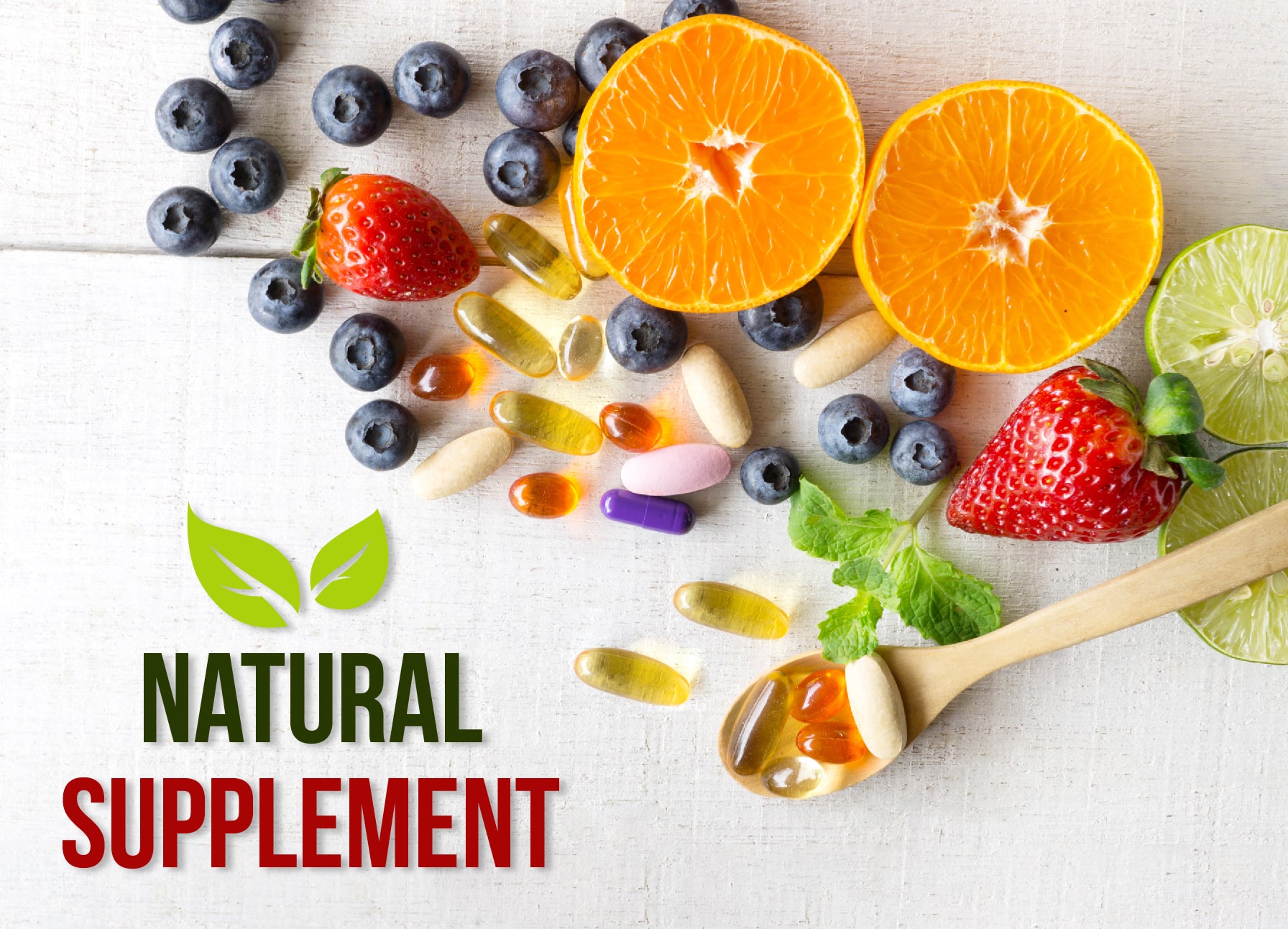



Seasonal allergies can bring an uncomfortable combination of sneezing, itchy eyes, runny nose, nasal congestion, and general irritation. While conventional antihistamine medicines are commonly used to manage allergy symptoms, some people are also interested in natural ingredients that may provide complementary support for the body's response to allergens.
Certain nutrients and plant compounds, including quercetin, stinging nettle, vitamin C, and bromelain, have attracted attention for their potential effects on antioxidant, inflammatory, and immune-related processes. However, their benefits can vary depending on the ingredient, amount, and individual circumstances, and they should not automatically be considered replacements for established allergy treatments.
A balanced approach to seasonal allergy wellness can include reducing exposure to known allergens, maintaining a nutritious diet, staying hydrated, getting adequate sleep, and using appropriate nutritional supplements when needed. Understanding the potential role of natural allergy-support ingredients can help you make more informed choices about your daily wellness routine.
Table of Contents
- What Are Natural Antihistamines?
- 1. Quercetin for Allergy Support
- 2. Stinging Nettle for Seasonal Allergy Symptoms
- 3. Vitamin C for Immune & Allergy Support
- 4. Bromelain for Nasal & Respiratory Support
- How Do Natural Antihistamines Compare With Allergy Medicines?
- How to Support Allergy Relief Naturally
- Are Natural Antihistamines Safe for Everyone?
- FAQ
- Conclusion
What Are Natural Antihistamines?
Histamine is a naturally occurring chemical involved in the body's immune response. When the body encounters an allergen such as pollen, dust mites, animal dander, or certain foods, immune cells can release histamine and other substances that contribute to common allergy symptoms.
Histamine can contribute to symptoms such as sneezing, itching, watery eyes, a runny nose, and nasal congestion. Conventional antihistamine medicines work by interfering with histamine activity at specific receptors, helping reduce these symptoms.
The term "natural antihistamine" is commonly used to describe foods, nutrients, herbs, and plant compounds that may influence histamine-related pathways or support a balanced inflammatory response. However, this terminology can sometimes be misleading because natural ingredients do not necessarily work in the same way as pharmaceutical antihistamines.
Quercetin, stinging nettle, vitamin C, and bromelain are among the ingredients frequently discussed for seasonal allergy support. Research has explored different mechanisms for each ingredient, but the strength of evidence varies. They are best viewed as potential complementary nutritional options rather than guaranteed treatments for allergies.
1. Quercetin for Allergy Support
Quercetin is a naturally occurring flavonoid found in a variety of plant foods. It is widely recognized for its antioxidant properties and has been investigated for its potential effects on inflammatory and immune-related pathways.
Quercetin has attracted particular interest in allergy research because laboratory studies have examined its interaction with mast cells, immune cells involved in the release of histamine and other inflammatory mediators. This research has contributed to interest in quercetin as a potential nutritional ingredient for seasonal allergy support.
Quercetin occurs naturally in foods such as onions, apples, capers, berries, and leafy vegetables. The amount present can vary depending on the specific food, growing conditions, and preparation method.
For people looking for a more concentrated source, quercetin is also available in dietary supplement formulations. However, supplements should be used according to their recommended serving instructions rather than assuming that higher amounts provide greater allergy benefits.
Explore Quercetin supplements at Dr Nutrition
Although quercetin is promising as a nutritional compound, research specifically evaluating its effectiveness for relieving allergy symptoms in humans remains limited. It should therefore be considered a complementary option rather than a substitute for proven allergy treatment.
2. Stinging Nettle for Seasonal Allergy Symptoms
Stinging nettle (Urtica dioica) is a plant traditionally used in herbal preparations for a variety of wellness purposes. It contains naturally occurring plant compounds that have attracted scientific interest because of their potential anti-inflammatory and immune-related properties.
Stinging nettle is sometimes used as a natural option for people experiencing seasonal allergy symptoms such as sneezing, nasal irritation, and general respiratory discomfort. Some research has investigated whether compounds in stinging nettle may influence inflammatory pathways involved in allergic responses. However, clinical evidence remains limited, and more high-quality research is needed before it can be considered a proven alternative to conventional allergy medicines.
Stinging nettle is available in several forms, including teas, dried herbs, extracts, and tablets. Concentrated supplements can provide a more consistent amount of the plant compounds than traditional preparations, but formulations can vary between products. Always follow the manufacturer's recommended serving and usage instructions.
Explore Stinging Nettle supplements at Dr Nutrition
People who take prescription medicines, have an ongoing medical condition, or are pregnant or breastfeeding should consult a healthcare professional before using concentrated stinging nettle products. Herbal supplements can have physiological effects and may not be appropriate for everyone.
3. Vitamin C for Immune & Allergy Support
Vitamin C is an essential water-soluble vitamin with important roles in normal immune function, antioxidant protection, collagen formation, and iron absorption. Because of its antioxidant properties, vitamin C is often included in nutritional approaches aimed at supporting overall immune and respiratory wellness.
Vitamin C is sometimes described as a natural antihistamine because research has investigated its relationship with histamine metabolism. However, this does not mean that vitamin C works in exactly the same way as pharmaceutical antihistamine medicines. Its role is better understood as part of normal nutritional and antioxidant support.
Many fruits and vegetables provide vitamin C naturally. Excellent dietary sources include oranges, kiwi, strawberries, guava, bell peppers, broccoli, tomatoes, and other colorful fruits and vegetables. Including a variety of these foods can help most people meet their daily vitamin C requirements.
Vitamin C supplements may provide an additional source when dietary intake is insufficient or when supplementation is recommended. However, taking very high amounts is not necessary for most people and may cause digestive effects such as stomach discomfort or diarrhea.
Explore Vitamin C supplements at Dr Nutrition
4. Bromelain for Nasal & Respiratory Support
Bromelain is a group of naturally occurring enzymes found primarily in the stem and fruit of the pineapple plant. It has been studied for its potential effects on inflammatory processes and tissue response, which has contributed to interest in bromelain as a complementary ingredient for sinus and respiratory wellness.
Some people use bromelain supplements as part of a broader approach to seasonal allergy and sinus support. Its potential role may be related to its effects on inflammatory pathways, although evidence specifically supporting bromelain for allergic rhinitis symptoms is still developing.
Bromelain is available in concentrated dietary supplements, which can provide substantially more of the enzyme than would typically be obtained from eating pineapple. Product formulations and enzyme activity can differ, so it is important to follow the manufacturer's recommended serving.
Explore Bromelain supplements at Dr Nutrition
People taking blood-thinning medicines or those preparing for surgery should speak with a healthcare professional before using concentrated bromelain supplements. Individual medical conditions and medication use should always be considered when choosing a supplement.
How Do Natural Antihistamines Compare With Allergy Medicines?
Natural ingredients and conventional antihistamine medicines should not automatically be considered interchangeable. Pharmaceutical antihistamines are specifically designed to block histamine receptors and have established uses for relieving symptoms such as sneezing, itching, watery eyes, and runny nose.
Natural ingredients such as quercetin, stinging nettle, vitamin C, and bromelain may influence different biological pathways or provide antioxidant and nutritional support. However, the available evidence, effective amounts, and expected benefits can vary considerably between ingredients.
For mild seasonal symptoms, nutritional strategies may complement other allergy-management measures. However, persistent, severe, or worsening symptoms should be evaluated by a healthcare professional to identify the underlying trigger and determine an appropriate treatment plan.
How to Support Allergy Relief Naturally
Natural ingredients can be part of a broader approach to managing seasonal allergy symptoms, but lifestyle and environmental measures remain important. Reducing exposure to known allergens can sometimes make a noticeable difference, particularly during periods when pollen or other environmental triggers are high.
- Reduce allergen exposure: Keep windows closed when outdoor pollen levels are high, shower after spending time outdoors, and change clothes after activities outside.
- Maintain a balanced diet: Include plenty of fruits, vegetables, whole grains, legumes, and other nutrient-rich foods to support overall nutritional health.
- Stay hydrated: Drinking enough fluids supports normal body functions and may help maintain comfortable mucus membranes.
- Prioritize sleep: Adequate, consistent sleep supports normal immune function and overall well-being.
- Keep indoor spaces clean: Regular cleaning can help reduce exposure to dust and other potential indoor allergens.
- Consider nutritional support: Ingredients such as quercetin, vitamin C, stinging nettle, and bromelain may be considered as complementary options when appropriate.
These strategies should complement, rather than replace, appropriate medical care. If allergy symptoms are persistent or interfere with daily activities, discussing treatment options with a healthcare professional can help identify the most suitable approach.
Are Natural Antihistamines Safe for Everyone?
Natural does not necessarily mean risk-free. Herbal extracts and concentrated nutrients can have biological effects and may interact with medications or be unsuitable for people with certain health conditions.
Quercetin, stinging nettle, vitamin C, and bromelain are generally tolerated by many people when used appropriately, but individual responses can vary. Possible side effects may include digestive discomfort, nausea, diarrhea, or other gastrointestinal symptoms, depending on the ingredient and dose.
Extra caution is recommended for people who are pregnant or breastfeeding, children, individuals with chronic medical conditions, and those taking prescription medicines. Bromelain and some herbal products may be particularly important to discuss with a healthcare professional when medications affecting blood clotting are being used.
Always check the product label, follow the recommended serving, and avoid combining several supplements with overlapping ingredients without professional guidance. Natural supplements should also not delay medical evaluation when allergy symptoms are severe, unusual, or associated with difficulty breathing, swelling of the lips or throat, or other signs of a serious allergic reaction.
FAQ
1. What are the best natural antihistamines?
Quercetin, stinging nettle, vitamin C, and bromelain are commonly discussed as natural ingredients for allergy support. However, evidence varies, and they should not be considered direct replacements for proven antihistamine medicines.
2. Can quercetin help with seasonal allergies?
Quercetin has antioxidant and immune-related properties and has been studied for its potential influence on allergy-related pathways. However, human evidence is still limited, so it is best considered a complementary nutritional option.
3. Is vitamin C a natural antihistamine?
Vitamin C supports normal immune function and antioxidant protection and has been studied in relation to histamine metabolism. However, it does not work in the same way as pharmaceutical antihistamines.
Conclusion
Quercetin, stinging nettle, vitamin C, and bromelain are four natural ingredients that have attracted attention for their potential role in seasonal allergy and immune support. Each has different properties, and the strength of scientific evidence varies between ingredients.
For people experiencing occasional seasonal allergy symptoms, these ingredients may complement practical measures such as reducing allergen exposure, eating a balanced diet, staying hydrated, and maintaining healthy sleep habits. However, supplements should be viewed as part of an overall wellness strategy rather than a guaranteed treatment for allergies.
If symptoms are persistent, severe, or interfere with daily life, consult a healthcare professional for appropriate diagnosis and treatment. With the right combination of lifestyle habits, allergen management, and individualized care, it is possible to take a more informed approach to managing seasonal allergy symptoms.