


Leucine is one of the branched-chain amino acids, commonly known as BCAAs, and it is often considered one of the most important amino acids for muscle growth and recovery.
Its importance comes from its direct role in stimulating muscle protein synthesis, supporting strength development, and helping the body recover after resistance training or intense exercise. For athletes and fitness enthusiasts, understanding leucine can help in choosing the right nutrition and supplements for better performance and muscle-building results.
Table of Contents
What Is Leucine?
Leucine is an essential amino acid, which means the body cannot produce it on its own and must obtain it through food or supplements.
It belongs to the branched-chain amino acid group, along with isoleucine and valine. Among these three BCAAs, leucine is considered the most powerful trigger for starting muscle protein synthesis.
This makes leucine especially important for people who want to build muscle, maintain lean mass during dieting, support recovery, or improve training adaptation over time.
Leucine and Muscle Protein Synthesis
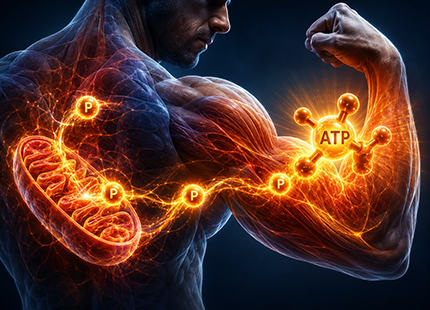
Muscle protein synthesis is the process by which the body repairs and builds muscle tissue after exercise or protein intake.
Leucine plays a key role in activating the mTOR pathway, a major signaling pathway involved in starting protein synthesis inside muscle cells.
When enough leucine is available, the body may use other amino acids more efficiently to support muscle repair, growth, and maintenance. This is especially important during resistance training, intense workouts, or periods of calorie control.
- Leucine helps activate the mTOR pathway.
- It supports the start of muscle protein synthesis.
- It helps the body use other amino acids for muscle repair.
- It may support muscle maintenance during intense training.
- It is especially important after workouts and protein-rich meals.
Effects of Leucine on Strength and Performance
Leucine may support better strength development by helping muscles recover and adapt after resistance training.
When combined with proper training and enough total protein intake, leucine can contribute to improved muscle repair, better workout consistency, and stronger training response over time.
It may also help reduce muscle fatigue indirectly by supporting recovery and limiting excessive muscle breakdown during demanding training periods.
| Benefit | How Leucine Helps | Practical Impact |
|---|---|---|
| Muscle Growth | Activates muscle protein synthesis | Supports lean muscle development |
| Strength Support | Helps muscles repair and adapt | May improve response to resistance training |
| Muscle Maintenance | Supports protein balance | May help preserve muscle during dieting or intense training |
| Recovery | Supports repair of muscle fibers | May reduce downtime between sessions |
Leucine and Post-Workout Recovery
After exercise, especially resistance training, muscle fibers experience small amounts of stress and damage that must be repaired for growth and adaptation to occur.
Leucine helps signal the body to begin repairing muscle tissue and rebuilding proteins. This can support recovery and help athletes maintain consistency in their training routine.
Although leucine is important, it works best when combined with all essential amino acids, enough total protein, proper hydration, sleep, and a structured training plan.
Natural Sources of Leucine
Leucine is naturally found in many high-protein foods, especially animal-based protein sources.
Foods such as meat, eggs, dairy products, poultry, fish, and whey protein are rich in leucine. Plant-based sources such as legumes, soy, lentils, beans, nuts, and seeds can also contribute to daily leucine intake.
A balanced diet that includes enough protein across the day is one of the best ways to support leucine intake and muscle protein synthesis.
| Source Type | Examples | Muscle-Building Value |
|---|---|---|
| Animal Proteins | Meat, chicken, fish, eggs | Rich in leucine and complete amino acids |
| Dairy Proteins | Milk, yogurt, cheese, whey protein | Excellent for post-workout protein synthesis support |
| Plant Proteins | Soy, lentils, beans, legumes, seeds | Useful when total protein intake is well planned |
Leucine in BCAA and EAA Supplements
Leucine is commonly included in BCAA and EAA supplements because of its role in stimulating muscle protein synthesis.
BCAA supplements usually contain leucine, isoleucine, and valine, while EAA supplements contain all essential amino acids, including leucine.
For muscle building, EAA supplements or complete protein sources may provide broader support because the body needs all essential amino acids to build new muscle tissue, not leucine alone.
- BCAA supplements provide leucine with isoleucine and valine.
- EAA supplements provide leucine plus all essential amino acids.
- Whey protein naturally contains leucine and complete amino acids.
- Leucine supports the signal, but other amino acids provide building materials.
- High-quality supplements help ensure better consistency and reliability.
Frequently Asked Questions
Why is leucine important for muscle building?
Leucine helps activate muscle protein synthesis, the process responsible for repairing and building muscle tissue after training.
Is leucine better than other amino acids?
Leucine is especially important because it acts as a strong trigger for muscle protein synthesis, but the body still needs all essential amino acids to build muscle effectively.
Can leucine improve workout recovery?
Leucine may support muscle repair and reduce protein breakdown after intense exercise, especially when combined with complete protein and proper recovery habits.
What foods are high in leucine?
Leucine is found in meat, poultry, fish, eggs, dairy products, whey protein, soy, legumes, lentils, beans, nuts, and seeds.
Should I take leucine supplements?
Leucine supplements may be useful if protein intake is low or training demands are high, but many people can get enough leucine from a balanced high-protein diet or complete protein supplements.
Conclusion
Leucine is one of the most important amino acids for muscle building because it helps activate muscle protein synthesis and supports recovery after intense training.
For optimal results, leucine should be part of a complete nutrition and training strategy that includes enough total protein, essential amino acids, resistance exercise, sleep, and recovery. Choosing reliable, high-quality supplements from trusted sources like Doctor Nutrition can help support muscle growth and athletic performance more effectively.