

Introduction
Vitamin K is an essential nutrient that the body needs for normal blood clotting and bone health support. A deficiency may lead to serious health problems, including excessive bleeding and weakened bones.
Vitamin K deficiency can be corrected through diet or trusted vitamin supplements when needed, including high-quality products available from Dr. Nutrition.
1. Causes of Vitamin K Deficiency
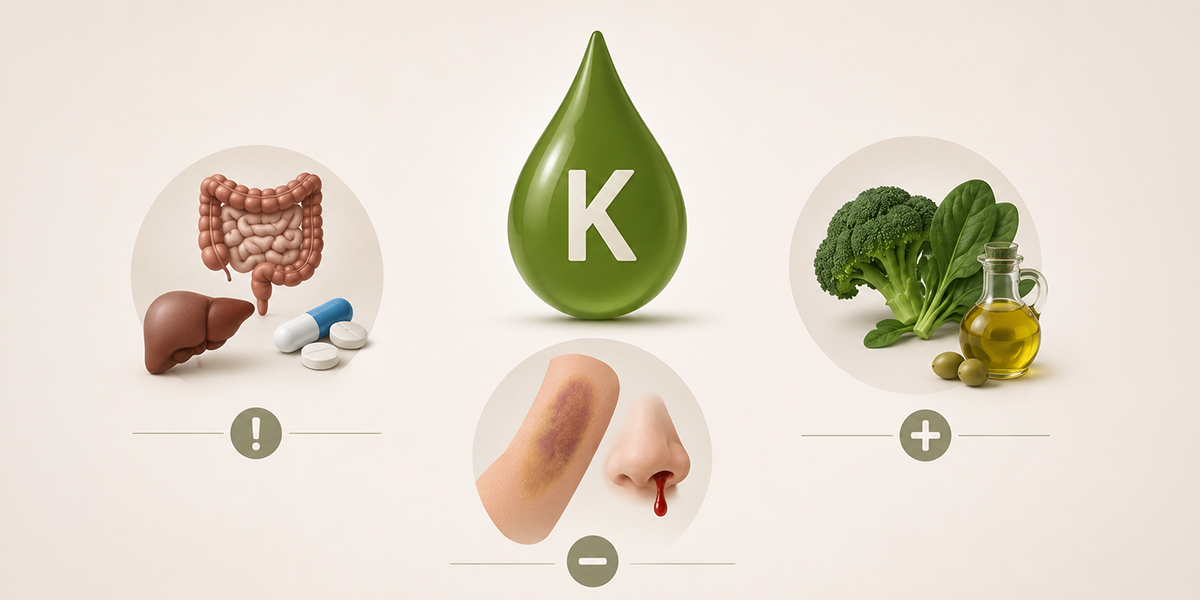
Vitamin K deficiency may occur due to several factors. Since vitamin K is a fat-soluble vitamin, problems with fat absorption can reduce the body’s ability to use it effectively.
- Malabsorption disorders in the intestines, such as inflammatory bowel disease
- Poor nutrition or low intake of leafy green vegetables
- Use of certain medications that affect vitamin K absorption
- Premature birth in infants or certain chronic health conditions
A balanced diet that includes leafy greens, healthy fats, and essential vitamins can help reduce the risk of deficiency.
2. Symptoms of Vitamin K Deficiency
Signs of vitamin K deficiency are often related to blood clotting and bone health.
- Easy bleeding or unexplained bruising
- Frequent gum or nose bleeding
- Weakened bones and increased fracture risk
- Slow wound healing
3. Complications of Vitamin K Deficiency
If left untreated, vitamin K deficiency may lead to more serious health problems, especially related to bleeding and bone structure.
- Severe or recurrent internal bleeding
- Osteoporosis and weakened bone structure
- Cardiovascular health issues related to calcium imbalance
4. Treatment and Supplementation
Treatment depends on the cause and severity of deficiency. In many cases, improving food intake and using supplements under professional guidance can help restore healthy levels.
- Taking vitamin K supplements at a dose recommended by a healthcare professional
- Increasing intake of vitamin K-rich foods such as spinach, kale, parsley, liver, and egg yolks
- Monitoring vitamin K levels regularly to ensure they return to normal
- Choosing high-quality supplements to support safe and effective results
When supplementation is needed, reliable vitamin supplements can support safe correction of deficiency when used correctly.
5. Prevention and Maintaining Healthy Levels
Preventing vitamin K deficiency depends on a nutrient-rich diet and proper health monitoring, especially for high-risk individuals.
- Eat leafy green vegetables daily
- Follow a balanced and nutrient-rich diet
- Monitor your health if you take medications that affect vitamin K absorption
- Use supplements only when needed and under medical guidance
Overall health can also be supported by adequate minerals, omega-3, and sufficient protein as part of a balanced nutrition plan.
FAQ
1. Is vitamin K deficiency common?
Vitamin K deficiency is uncommon in healthy adults, but it may occur in people with malabsorption, poor diet, certain medications, or specific medical conditions.
2. What foods are rich in vitamin K?
Leafy greens such as spinach, kale, parsley, and broccoli are among the best sources. Liver and egg yolks also contain vitamin K.
3. Can vitamin K support bone health?
Yes. Vitamin K plays an important role in bone metabolism and may help support bone strength when combined with a balanced diet and healthy lifestyle.
4. Can I take vitamin K with blood thinners?
You should not take vitamin K supplements with blood-thinning medication unless approved by your healthcare provider, as it may affect medication response.
Conclusion
Vitamin K deficiency is rare but can be serious if left untreated. It can often be prevented through a balanced diet, regular health monitoring, and reliable supplementation when necessary.
Maintaining healthy vitamin K levels supports normal blood clotting, bone health, and overall wellness. When supplementation is needed, high-quality vitamin supplements can help support safe and effective results under professional guidance.