

Introduction
Vitamin B12 is an essential nutrient for maintaining a healthy nervous system and producing red blood cells. A deficiency can lead to multiple health issues, most notably pernicious anemia, a condition that occurs when the body cannot properly absorb vitamin B12.
This reduced absorption may lower red blood cell production and can lead to serious neurological complications if left untreated. When needed, trusted vitamin supplements may help support healthy B12 levels under professional guidance.
Mechanism of Pernicious Anemia
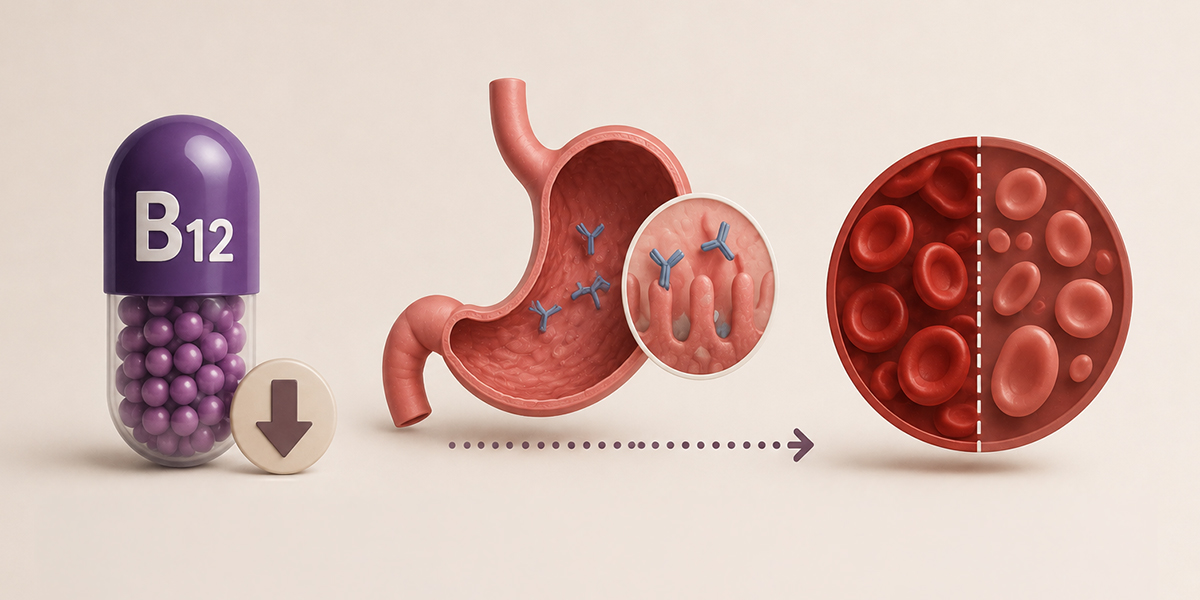
Pernicious anemia is commonly caused by a deficiency of intrinsic factor, a protein produced by the stomach that is necessary for vitamin B12 absorption in the small intestine.
When intrinsic factor is absent or insufficient, the body cannot absorb vitamin B12 effectively, even if intake from food or supplements is adequate. This can lead to severe deficiency and the development of anemia.
Symptoms of Vitamin B12 Deficiency
Symptoms often develop gradually and may worsen if the condition is not treated.
- Persistent fatigue and low energy
- Poor concentration and mental fog
- Heart palpitations due to reduced red blood cells
- Numbness or tingling in the hands and feet
- Balance issues and coordination difficulties
- Mood changes, including irritability or depression
Medical Diagnosis
Diagnosis typically involves blood tests and clinical evaluation to confirm deficiency and identify the underlying cause.
- Measuring vitamin B12 levels in the blood
- Checking red blood cell count and hemoglobin levels
- Testing for antibodies against intrinsic factor to identify autoimmune causes
Early diagnosis is essential to prevent long-term complications, especially neurological damage.
Treatment Options
Treatment depends on the severity and cause of the deficiency.
- Vitamin B12 injections for direct absorption
- Oral or sublingual B12 supplements in milder cases
- Regular monitoring to ensure levels return to normal
For individuals with absorption issues, injections are often the most effective approach. In milder cases, high-quality vitamin supplements may be used under medical guidance.
Prevention and Management
Managing vitamin B12 deficiency requires consistency and long-term follow-up, especially when absorption problems are present.
- Regular screening, especially for high-risk individuals
- Following a consistent treatment plan
- Maintaining a balanced diet that includes B12-rich foods such as meat, fish, dairy, and fortified products
- Long-term follow-up to prevent recurrence
A complete nutrition plan should also include sufficient protein, key minerals, and other essential nutrients to support overall health.
FAQ
1. What is pernicious anemia?
Pernicious anemia is a type of vitamin B12 deficiency caused by the body’s inability to absorb B12 properly due to lack of intrinsic factor.
2. Can vitamin B12 deficiency cause nerve problems?
Yes. Long-term deficiency may cause numbness, tingling, balance problems, and other neurological symptoms.
3. Are B12 injections better than tablets?
For absorption problems such as pernicious anemia, injections are often more effective. Tablets or sublingual forms may be suitable in milder cases.
4. Who is at higher risk of B12 deficiency?
People with absorption disorders, older adults, vegans, vegetarians, and those with certain stomach or intestinal conditions may be at higher risk.
Conclusion
Pernicious anemia is a serious condition directly linked to vitamin B12 deficiency. Early detection and proper treatment are critical to preventing complications such as nerve damage and chronic fatigue.
Understanding this relationship helps ensure timely medical care and better long-term health outcomes. When supplementation is needed, trusted vitamin supplements can support healthy B12 levels as part of a professionally guided plan.