


Sunscreen is one of the most important steps in any skincare routine because it helps protect the skin from the harmful effects of ultraviolet (UV) radiation. Daily exposure to sunlight can contribute to premature skin aging, uneven skin tone, sunburn, and long-term skin damage. Choosing the right sunscreen is not only about selecting a high SPF; understanding the ingredients inside the formula can help you find a product that matches your skin needs and lifestyle.
Modern sunscreens contain a variety of active ingredients designed to provide broad-spectrum protection against both UVA and UVB rays. Some ingredients work by creating a protective barrier on the skin surface, while others absorb UV energy before it can affect the skin. In addition, many sunscreen formulas include skincare ingredients such as antioxidants, moisturizers, and soothing agents to provide extra benefits beyond sun protection.
With countless sunscreen options available, choosing the right one can feel overwhelming. Understanding key ingredients such as zinc oxide, titanium dioxide, avobenzone, antioxidants, hyaluronic acid, and niacinamide can help you make a more informed decision based on your skin type and personal skincare goals.
In this guide, you will discover the most important sunscreen ingredients to look for, how different sunscreen filters work, which ingredients support different skin concerns, how to choose the best sunscreen for daily use, and recommended sunscreen products available at Dr Nutrition.
Table of Contents
- Why Sunscreen Ingredients Matter
- Understanding UVA and UVB Protection
- Key Sunscreen Ingredients to Look For
- Mineral vs Chemical Sunscreen Ingredients
- Best Sunscreen Ingredients for Different Skin Types
- Ingredients to Use Carefully in Sunscreen
- How to Choose the Right Sunscreen
- Recommended Sunscreen Products
- FAQ
- Conclusion
Why Sunscreen Ingredients Matter
Not all sunscreens provide the same type of protection or skincare benefits. The effectiveness of a sunscreen depends on its active ingredients, concentration, stability, and ability to protect against a broad range of UV rays.
The skin is constantly exposed to environmental stressors, including sunlight, pollution, and free radicals. Over time, UV exposure can weaken the skin’s natural defenses and contribute to visible signs of aging such as fine lines, wrinkles, dark spots, and loss of skin elasticity.
Choosing sunscreen with suitable ingredients helps create a protective layer that reduces the impact of UV exposure while supporting overall skin health. Many advanced sunscreen formulas now combine sun filters with additional skincare ingredients that help maintain hydration, calm irritation, and improve the appearance of the skin.
Important factors to consider when selecting sunscreen include:
- Broad-spectrum protection: Helps protect against both UVA rays associated with premature aging and UVB rays associated with sunburn.
- Suitable SPF level: Provides an appropriate level of protection based on daily activities and sun exposure.
- Skin-friendly ingredients: Ingredients should match your skin type, whether oily, dry, sensitive, or acne-prone.
- Comfortable texture: A sunscreen that feels lightweight and pleasant is easier to apply consistently every day.
- Additional skincare benefits: Some formulas include hydrating, antioxidant, or soothing ingredients to support overall skin appearance.
Understanding UVA and UVB Protection
Before choosing sunscreen ingredients, it is important to understand the difference between UVA and UVB radiation.
UVA rays penetrate deeper into the skin and are strongly associated with photoaging. Long-term UVA exposure may contribute to the appearance of wrinkles, fine lines, and uneven pigmentation.
UVB rays primarily affect the outer layers of the skin and are responsible for sunburn. UVB exposure also plays a role in skin damage caused by excessive sun exposure.
A good sunscreen should provide broad-spectrum protection, meaning it helps protect the skin from both UVA and UVB rays. This is why looking at the active ingredients in a sunscreen formula is important when choosing daily sun protection.
Key Sunscreen Ingredients to Look Out For
Understanding sunscreen ingredients can help you choose a product that matches your skin type, lifestyle, and protection needs. Modern sunscreens contain different active ingredients designed to protect the skin from harmful UV rays while supporting overall skin comfort.
1. Zinc Oxide
Zinc oxide is a mineral sunscreen ingredient that provides broad-spectrum protection by creating a protective barrier on the skin's surface. It helps reflect and scatter UVA and UVB rays, making it a popular choice for daily sun protection.
Zinc oxide is often recommended for sensitive skin because it is generally gentle and suitable for many skin types. It is commonly found in mineral and physical sunscreens.
Ideal for: Sensitive skin, daily use, and individuals looking for mineral-based sun protection.
2. Titanium Dioxide
Titanium dioxide is another mineral sunscreen ingredient that helps protect the skin from UV radiation. It works by reflecting and dispersing UV rays before they can reach the skin.
This ingredient is commonly combined with zinc oxide to provide effective broad-spectrum protection while maintaining a lightweight feel on the skin.
Ideal for: People who prefer mineral sunscreens and gentle formulas.
3. Avobenzone
Avobenzone is a chemical sunscreen ingredient known for providing UVA protection. UVA rays are associated with premature skin aging and can contribute to long-term skin damage.
Because UVA protection is an important part of complete sun protection, avobenzone is commonly included in broad-spectrum sunscreen formulas.
Ideal for: Individuals looking for strong UVA protection in everyday sunscreen products.
4. Octinoxate
Octinoxate is a UV-filtering ingredient commonly used in sunscreen formulas to help protect the skin from UVB rays, which are responsible for sunburn.
It is often combined with other sunscreen filters to create balanced protection against different types of UV exposure.
Ideal for: Lightweight sunscreen formulas designed for daily outdoor protection.
5. Hyaluronic Acid
Hyaluronic acid is a popular skincare ingredient added to many modern sunscreens because of its hydrating properties. It helps attract and retain moisture, supporting a smoother and more comfortable skin feel.
Sunscreens containing hydrating ingredients can be especially beneficial for individuals who experience dryness or prefer a moisturizing finish.
Ideal for: Dry skin and people looking for sun protection with added hydration.
6. Antioxidants
Many sunscreens now include antioxidant ingredients such as vitamin C, vitamin E, green tea extract, or other botanical compounds. Antioxidants help protect skin from oxidative stress caused by environmental factors.
When combined with daily sunscreen use, antioxidant ingredients can provide additional support for maintaining healthy-looking skin.
Ideal for: Individuals seeking additional skincare benefits alongside UV protection.
Mineral vs Chemical Sunscreen Ingredients
When choosing a sunscreen, understanding the difference between mineral and chemical sunscreen ingredients can help you select a formula that matches your skin type, lifestyle, and sun protection needs. Both types are designed to protect the skin from harmful UV radiation, but they work in different ways.
Mineral Sunscreen Ingredients
Mineral sunscreens, also known as physical sunscreens, use active ingredients such as zinc oxide and titanium dioxide. These ingredients sit on the surface of the skin and help protect against UVA and UVB rays by reflecting and scattering UV radiation.
Benefits of mineral sunscreen:
- Suitable for sensitive skin due to gentle formulations.
- Provides broad-spectrum UV protection.
- Often recommended for children and individuals with easily irritated skin.
- Begins protecting the skin immediately after application.
Mineral sunscreens are commonly preferred by people who want a gentle option with fewer potential irritants.
Chemical Sunscreen Ingredients
Chemical sunscreens contain organic UV filters such as avobenzone, octinoxate, octisalate, and octocrylene. These ingredients absorb UV radiation and convert it into a small amount of heat that is released from the skin.
Benefits of chemical sunscreen:
- Usually has a lightweight texture that blends easily.
- Often leaves less visible residue compared with some mineral formulas.
- Provides comfortable daily wear under makeup.
- Available in many textures, including gels, fluids, and lightweight lotions.
The best choice depends on your skin type, preferences, and how your sunscreen fits into your daily routine. Both mineral and chemical sunscreens can provide effective protection when used correctly.
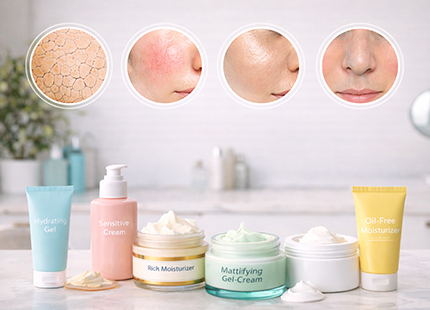
Best Sunscreen Ingredients for Different Skin Types
Different skin types have different needs. Choosing sunscreen ingredients that match your skin can improve comfort, prevent irritation, and make daily sunscreen use easier.
For Sensitive Skin
People with sensitive skin may benefit from gentle sunscreen ingredients such as zinc oxide and titanium dioxide. These mineral filters are commonly chosen because they are less likely to cause discomfort for easily irritated skin.
Look for formulas labeled fragrance-free or designed for sensitive skin to reduce the chance of irritation.
For Oily or Acne-Prone Skin
Oily skin often benefits from lightweight, non-comedogenic sunscreen formulas. Ingredients such as niacinamide may help support balanced-looking skin, while lightweight textures can reduce a heavy or greasy feeling.
Gel-based or oil-free sunscreens are often preferred for daily use by individuals with oily skin.
For Dry Skin
Dry skin may benefit from sunscreens containing moisturizing ingredients such as hyaluronic acid, glycerin, and ceramides. These ingredients help support skin hydration while providing sun protection.
For Combination Skin
Combination skin usually benefits from balanced formulas that provide hydration without feeling heavy. Lightweight moisturizers combined with broad-spectrum UV filters can help maintain comfortable skin throughout the day.
Ingredients to Use Carefully in Sunscreen
Most sunscreen ingredients are considered safe when used as directed. However, some individuals may experience sensitivity or prefer to avoid certain ingredients depending on their skin type and personal preferences.
Ingredients that some people may need to consider carefully include:
- Fragrance: Added fragrance may cause irritation for individuals with sensitive skin or fragrance sensitivity.
- Alcohol: Some alcohol-based formulas may feel lightweight but can be drying for certain skin types.
- Certain chemical filters: Some individuals may prefer mineral sunscreens if they experience sensitivity with specific chemical UV filters.
- Heavy textures: Thick formulas may feel uncomfortable for oily or acne-prone skin.
Choosing sunscreen is highly personal. If you have sensitive skin, allergies, or specific skin concerns, selecting products designed for your needs can help improve comfort and consistency.
How to Choose the Right Sunscreen
Selecting the right sunscreen involves more than choosing the highest SPF number. The best sunscreen is one that provides effective protection and fits comfortably into your daily skincare routine.
Consider these factors when choosing sunscreen:
- Choose broad-spectrum protection: Look for sunscreen that helps protect against both UVA and UVB rays.
- Select the appropriate SPF: SPF helps indicate the level of protection against UVB rays.
- Match your skin type: Choose lightweight formulas for oily skin and hydrating formulas for dry skin.
- Consider your lifestyle: Water-resistant formulas may be useful for swimming, outdoor activities, or sweating.
- Check the ingredients: Choose ingredients that suit your skin concerns and personal preferences.
- Use sunscreen consistently: Daily application is one of the most important steps for maintaining healthy-looking skin.
A good sunscreen should become a regular part of your skincare routine. Consistent use, along with protective habits such as seeking shade and wearing protective clothing, helps support long-term skin health.
Recommended Sunscreen Products
Choosing the right sunscreen depends on your skin type, daily routine, and personal skincare goals. Dr Nutrition offers a wide selection of sunscreen products with different formulas, textures, and benefits to help you find suitable daily sun protection.
Explore sunscreen options designed for different needs, including lightweight formulas, moisturizing sunscreens, sensitive skin options, and advanced skincare formulas.
- Sunscreen Products
Ideal for: Individuals looking for reliable daily UV protection with different options suitable for various skin types, skincare routines, and sun exposure needs.
FAQ
1. What ingredients should I look for in sunscreen?
Important sunscreen ingredients include UV filters such as zinc oxide, titanium dioxide, avobenzone, and other broad-spectrum protection ingredients. Additional skincare ingredients like antioxidants, hyaluronic acid, and niacinamide can provide extra support for skin health and hydration.
2. Is mineral sunscreen better than chemical sunscreen?
Both mineral and chemical sunscreens can provide effective UV protection when properly formulated. Mineral sunscreens containing zinc oxide and titanium dioxide are often preferred by people with sensitive skin, while chemical sunscreens may provide lightweight textures and easy application.
3. What sunscreen ingredients are best for dry skin?
People with dry skin may benefit from sunscreens containing moisturizing ingredients such as hyaluronic acid, glycerin, ceramides, and nourishing botanical extracts. These ingredients help support skin hydration while providing sun protection.
4. Which sunscreen ingredients are suitable for sensitive skin?
Sensitive skin often benefits from gentle sunscreen ingredients such as zinc oxide and titanium dioxide. Fragrance-free formulas and products designed specifically for sensitive skin may also provide a more comfortable experience.
5. Should sunscreen be used every day?
Yes. Daily sunscreen use is an important part of maintaining healthy-looking skin because UV exposure can happen during everyday activities, not only during long periods outdoors. Consistent use helps support long-term skin protection.
Conclusion
Sunscreen is more than just an SPF number. The ingredients inside your sunscreen determine how effectively it protects your skin and how well it fits your individual skincare needs. Understanding the difference between UV filters, antioxidants, moisturizing ingredients, and soothing compounds can help you make better choices for your daily routine.
Ingredients such as zinc oxide, titanium dioxide, avobenzone, antioxidants, hyaluronic acid, and niacinamide can provide different benefits, from protecting against UV damage to supporting hydration and maintaining a healthy-looking complexion.
The best sunscreen is one that provides broad-spectrum protection, matches your skin type, and feels comfortable enough to use consistently. Whether you prefer mineral sunscreen, lightweight chemical formulas, or skincare-focused options, choosing a high-quality product is an important step toward maintaining healthy skin.
Explore trusted sunscreen options from Dr Nutrition and choose a formula that supports your skincare goals while helping protect your skin every day.