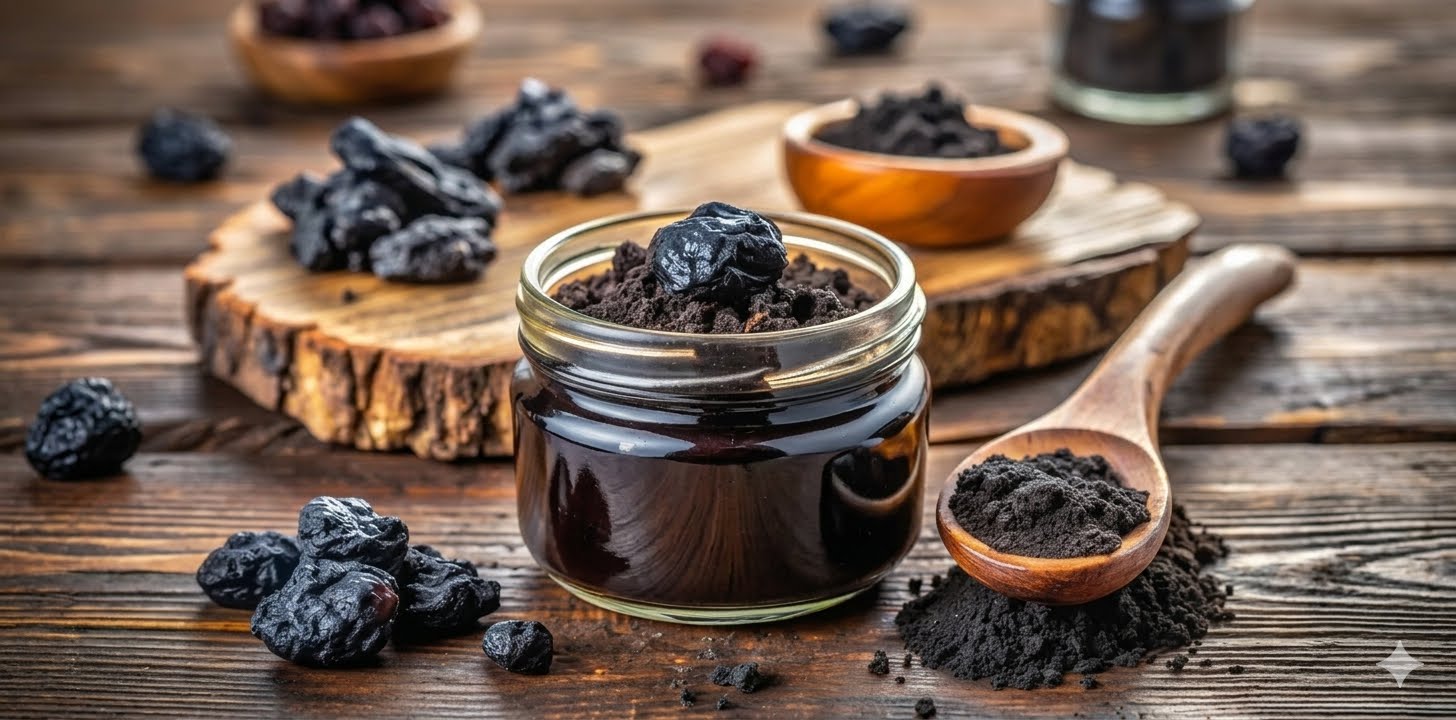



Snail mucin has become one of the most powerful and widely discussed ingredients in modern skincare. Once considered unusual, it is now a core component in many high-performance serums, creams, and masks due to its proven ability to hydrate, repair, and rejuvenate the skin.
Scientifically known as snail secretion filtrate, this ingredient is rich in skin-beneficial compounds such as glycoproteins, hyaluronic acid, glycolic acid, peptides, and antioxidants. These elements work together to improve skin texture, strengthen the skin barrier, and support natural regeneration processes.
Today, snail mucin is especially popular in Korean skincare routines, but its benefits are now recognized globally in dermatology and cosmetic science.
Table of Contents
- What Is Snail Mucin in Skincare?
- Key Nutrients Found in Snail Secretion Filtrate
- Top Skin Benefits of Snail Mucin
- How Snail Mucin Works on the Skin
- Who Should Use Snail Mucin Products?
- How to Add Snail Mucin into Your Skincare Routine
- Is Snail Mucin Safe for All Skin Types?
- Possible Side Effects and Precautions
- Snail Mucin vs Other Hydrating Ingredients
- FAQ
- Conclusion
What Is Snail Mucin in Skincare?
Snail mucin is a natural secretion produced by snails to protect their skin from damage, dehydration, bacteria, and environmental stress. In skincare formulations, this secretion is carefully collected, purified, and filtered to create a safe and effective cosmetic ingredient.
Unlike synthetic ingredients, snail mucin is a bioactive complex that supports multiple skin functions at once. It is commonly found in serums, essences, moisturizers, and sheet masks designed to repair and hydrate the skin deeply.
Its rising popularity is linked to its ability to address multiple skin concerns simultaneously, including dryness, acne scars, dullness, and early signs of aging.
Key Nutrients Found in Snail Secretion Filtrate
Snail mucin is considered a multi-functional skincare ingredient because it contains a wide range of bioactive compounds:
- Hyaluronic Acid: Deep hydration and skin plumping
- Glycolic Acid: Gentle exfoliation and skin renewal
- Glycoproteins: Help repair damaged skin tissue
- Peptides: Support collagen production and elasticity
- Zinc: Reduces inflammation and supports acne control
- Antioxidants: Protect against free radical damage
This unique combination makes snail mucin suitable for both repairing damaged skin and maintaining healthy skin balance.
Top Skin Benefits of Snail Mucin
1. Deep Hydration and Moisture Retention
Snail mucin acts as a natural humectant, drawing moisture into the skin and preventing water loss. This results in long-lasting hydration and a smoother, plumper appearance.
2. Skin Repair and Regeneration
One of its most powerful benefits is its ability to support skin healing. It helps reduce the appearance of acne scars, minor wounds, and irritation by accelerating skin cell regeneration.
3. Anti-Aging and Elasticity Support
Snail mucin stimulates collagen production, which helps improve skin firmness and elasticity. Over time, this can reduce the appearance of fine lines and wrinkles.
4. Acne Healing and Scar Reduction
Thanks to its anti-inflammatory and antimicrobial properties, snail mucin helps calm active breakouts and gradually fade post-acne marks.
5. Brightening and Skin Tone Improvement
Regular use can improve uneven skin tone, reduce dullness, and enhance overall skin radiance, giving a healthy glow.
How Snail Mucin Works on the Skin
Snail mucin works by forming a lightweight protective layer over the skin while delivering active compounds deep into the epidermis. This helps reduce transepidermal water loss (TEWL), keeping the skin hydrated for longer periods.
At the same time, its bioactive components stimulate natural repair mechanisms in the skin, supporting faster recovery from damage and improving overall skin resilience.
This dual action—protection and regeneration—makes it a highly effective multitasking skincare ingredient.
Who Should Use Snail Mucin Products?
Snail mucin is suitable for a wide range of skin types and concerns, including:
- Dry and dehydrated skin
- Acne-prone skin
- Sensitive or irritated skin
- Aging skin with fine lines
- Dull and uneven skin tone
- Skin with acne scars or texture issues
Because it is lightweight and non-irritating, it can be used by beginners as well as advanced skincare users.
How to Add Snail Mucin into Your Skincare Routine
To get the best results from snail mucin, proper application is important:
- Use after cleansing and toning
- Apply 1–2 pumps of serum or essence
- Gently pat into the skin for absorption
- Follow with moisturizer to lock in hydration
- Can be used both morning and night
Snail mucin also pairs well with other active ingredients like niacinamide, hyaluronic acid, and peptides, making it easy to integrate into existing routines.
Is Snail Mucin Safe for All Skin Types?
Yes, snail mucin is generally considered safe for most skin types, including sensitive skin. It is non-comedogenic, meaning it does not clog pores, and is well tolerated due to its natural composition.
However, as with any skincare ingredient, individual reactions may vary. A patch test is recommended before full use, especially for highly sensitive skin.
Possible Side Effects and Precautions
While rare, some individuals may experience mild reactions such as:
- Temporary redness
- Slight irritation
- Allergic response (very uncommon)
To minimize risk:
- Always patch test before use
- Avoid combining with overly harsh exfoliants initially
- Discontinue use if irritation persists
Overall, snail mucin has a strong safety profile when used correctly.
Snail Mucin vs Other Hydrating Ingredients
Snail Mucin vs Hyaluronic Acid
- Hyaluronic acid focuses mainly on hydration
- Snail mucin provides hydration plus repair and healing
Snail Mucin vs Niacinamide
- Niacinamide improves oil control and brightening
- Snail mucin focuses on regeneration and skin recovery
Snail Mucin vs Aloe Vera
- Aloe vera soothes irritation instantly
- Snail mucin provides deeper long-term repair benefits
Each ingredient has unique strengths, but snail mucin stands out for its multi-functional effects.
Recommended Snail Mucin Products
Frequently Asked Questions (FAQ)
1. How long does snail mucin take to show results?
Most users notice improvements in hydration and texture within 2–4 weeks of consistent use.
2. Can snail mucin be used daily?
Yes, it is gentle enough for daily use, both morning and night.
3. Is snail mucin good for acne-prone skin?
Yes, it helps calm inflammation and supports healing of acne scars.
4. Can snail mucin replace moisturizer?
No, it should be used as a treatment layer before moisturizer, not as a replacement.
5. Does snail mucin work for anti-aging?
Yes, it supports collagen production and improves skin elasticity over time.
Conclusion
Snail mucin has earned its place as one of the most effective multifunctional skincare ingredients available today. Its ability to hydrate, repair, soothe, and rejuvenate the skin makes it suitable for nearly all skin types and concerns.
Backed by both traditional skincare practices and modern cosmetic science, it offers a balanced solution for achieving healthier, smoother, and more radiant skin.
Whether your goal is to reduce acne scars, improve hydration, or slow visible signs of aging, snail mucin provides a gentle yet powerful approach to long-term skin health.