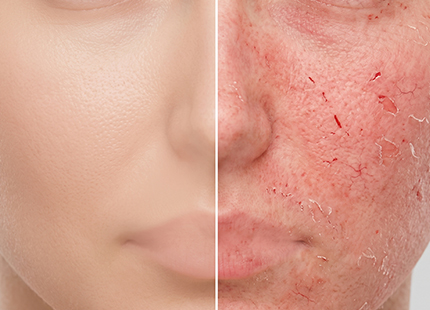
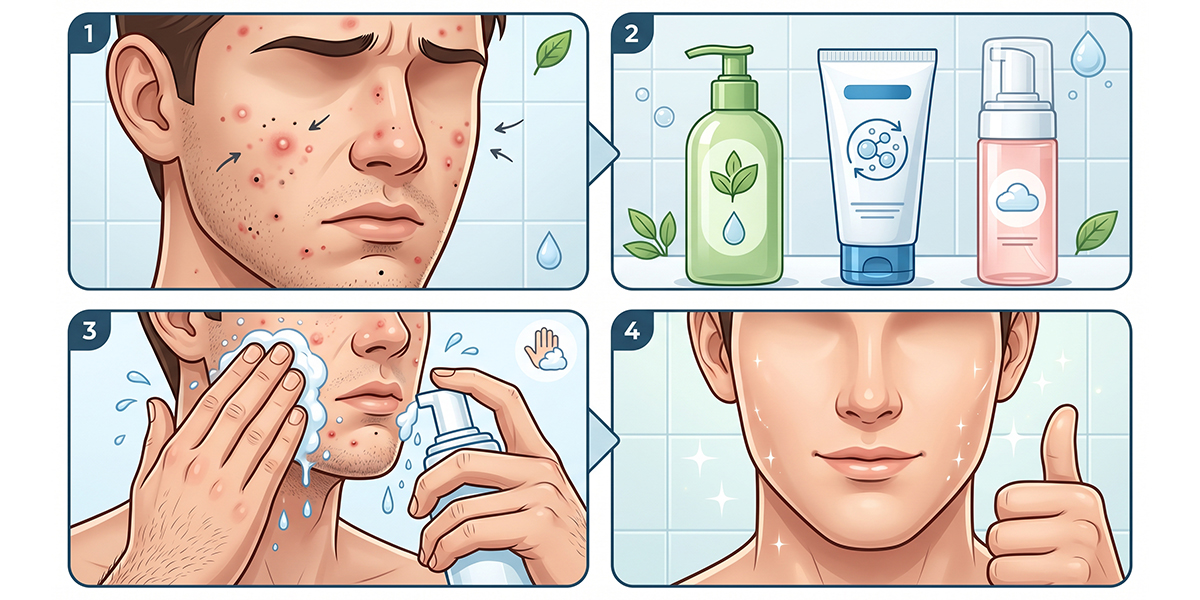


Acne is one of the most common skin concerns worldwide. It affects teenagers and adults and can appear in different forms, including blackheads, whiteheads, and inflamed pimples. While many treatment options exist, dermatologists consistently agree that a good cleanser is the foundation of every acne skincare routine.
Cleansing helps remove excess oil, bacteria, dead skin cells, and daily impurities that can clog pores and trigger breakouts. The challenge is that not all cleansers work the same way. Some target acne-causing bacteria, while others focus on controlling oil production or unclogging pores. Understanding how acne develops, which ingredients matter most, and how to choose the right formula can help you build a more effective routine using categories such as cleanser, face care, and beauty care.
What Causes Acne?
Acne develops when hair follicles become blocked by a combination of oil, dead skin cells, and bacteria. Once pores become clogged, inflammation can increase and different types of breakouts may begin to appear, from blackheads and whiteheads to inflamed pimples.
Common triggers include:
- Excess oil production
- Hormonal fluctuations
- Clogged pores
- Bacteria growth
- Inflammation
- Using pore-clogging skincare products
This is why choosing non-comedogenic products designed for acne-prone skin is so important. A thoughtful routine built around cleanser, targeted face care, and suitable beauty care products helps reduce the chance of further congestion and irritation.
Key Ingredients That Help Treat Acne
Understanding the active ingredients in acne cleansers helps you choose the right product for your skin type and the type of breakouts you experience.
Benzoyl Peroxide
One of the most effective ingredients for inflammatory acne. It helps kill acne-causing bacteria and can reduce swelling and redness.
Salicylic Acid
A beta-hydroxy acid that penetrates pores and dissolves excess oil and dead skin cells, making it especially useful for blackheads and clogged pores.
Zinc
Zinc helps regulate sebum production and calm inflammation, which makes it particularly useful for oily and acne-prone skin.
Niacinamide
Niacinamide helps reduce redness, strengthen the skin barrier, and balance oil production, making it a valuable ingredient in supportive acne routines. It is also commonly found in serum formulas designed to improve skin balance and comfort.
Choosing products with the right active ingredients from well-matched beauty care, face care, and serum categories can significantly improve consistency and results.
The Best Skincare Routine for Acne-Prone Skin
A simple but consistent routine is usually the most effective way to manage acne. Overcomplicating your routine can increase irritation and make breakouts harder to control.
A. Cleanser (Morning and Night)
Use a cleanser formulated for acne-prone skin to remove excess oil, bacteria, sunscreen, and daily impurities. A good cleanser should cleanse thoroughly without stripping the skin barrier.
B. Treatment Products
Ingredients such as salicylic acid, niacinamide, or retinoids can help unclog pores and reduce breakouts over time. These active ingredients are often included in targeted serum and face care products.
C. Lightweight Moisturizer
Hydration is still important even for oily or acne-prone skin. A lightweight, non-comedogenic moisturizer can help reduce dryness and irritation caused by acne treatments.
D. Sunscreen (Morning Only)
Daily sunscreen helps prevent post-acne marks and hyperpigmentation. It also protects the skin barrier while you use active treatment ingredients.
A balanced routine that combines cleansers, suitable face care, a light moisturizer, and everyday sun screen protection often works better than aggressive treatment alone.
How to Choose the Right Cleanser for Acne
Choosing the right cleanser is one of the most important steps in building an effective acne skincare routine. Acne-prone skin is not the same for everyone. Some people struggle with excess oil, others with sensitivity, and others with frequent, inflamed breakouts or clogged pores.
For this reason, the best cleanser depends on your skin type, the severity of your acne, and the ingredients that target your specific concern.
1. Consider Your Skin Type First
Oily Skin
People with oily skin usually produce excess sebum, which can clog pores and lead to breakouts. Gel or foaming cleansers are often the best choice because they help remove oil and impurities effectively.
Combination Skin
Combination skin may be oily in the T-zone but normal or dry on the cheeks. In this case, a balanced cleanser that removes oil without over-drying the skin is ideal.
Sensitive or Irritated Skin
If your skin becomes red, tight, or irritated easily, avoid harsh cleansers and strong scrubs. Instead, choose milder formulas that cleanse without damaging the barrier. Gentle products from the cleanser and face care range can help reduce irritation while still keeping pores cleaner.
2. Look for Ingredients That Match Your Type of Acne
The active ingredients in a cleanser determine how it works on the skin.
- Benzoyl Peroxide: Better for inflamed pimples and acne-causing bacteria
- Salicylic Acid: Better for blackheads, clogged pores, and excess oil
- Zinc or Copper: Helpful for oil regulation and skin purification
3. Avoid Harsh Cleansers That Strip the Skin
One common mistake people with acne make is choosing overly harsh cleansers that remove too much oil. While the skin may feel very clean at first, damaging the skin barrier can actually trigger even more oil production and make acne worse.
Look for cleansers labeled:
- Non-comedogenic
- Soap-free
- Dermatologically tested
4. Choose a Cleanser You Can Use Consistently
The best acne cleanser is one that fits easily into your daily routine. Most dermatologists recommend cleansing twice daily, once in the morning and once before bedtime.
5. Start Gentle and Adjust if Needed
If you are trying a new acne cleanser, it is usually best to start with a gentle formula and monitor how your skin reacts. If breakouts persist or worsen, you may consider switching to a product with stronger active ingredients.
Common Mistakes That Make Acne Worse
Even a good acne routine can fail if certain habits keep irritating the skin or blocking pores.
- Over-washing the face
- Using harsh scrubs or strong products too frequently
- Skipping moisturizer
- Popping pimples or picking at the skin
- Using heavy or pore-clogging cosmetics
Avoiding these habits can help reduce irritation and support the effectiveness of your face care routine. It is also important not to skip a lightweight moisturizer, because dehydrated skin may become more reactive and uncomfortable.
Recommended Acne Cleansers
Below are some of the most effective cleanser types and product examples for acne-prone skin, each designed to address a different concern.
PanOxyl Acne Foaming Wash 10% Benzoyl Peroxide
This cleanser contains 10% benzoyl peroxide, one of the strongest over-the-counter acne-fighting ingredients. It helps kill acne-causing bacteria inside the pores while reducing inflammation and excess oil.
Best for:
- Moderate to severe acne
- Oily skin
- Inflammatory breakouts
PanOxyl Acne Creamy Wash 4% Benzoyl Peroxide
This formula offers a gentler option than the 10% version. The creamy texture helps reduce the dryness sometimes associated with benzoyl peroxide.
Best for:
- Mild to moderate acne
- Combination skin
- First-time benzoyl peroxide users
La Roche-Posay Effaclar Gel Moussant
This cleanser is popular for oily and acne-prone skin. It contains zinc PCA, which helps regulate oil production and reduce excess shine while cleansing impurities without damaging the skin barrier.
Best for:
- Oily skin
- Combination skin
- Blackheads and enlarged pores
Bioderma Sebium Gel Moussant
Formulated specifically for oily and acne-prone skin, this cleanser contains zinc sulfate and copper sulfate to help purify the skin and regulate sebum production.
Best for:
- Oily skin
- Combination skin
- Acne with blackheads
Vichy Normaderm Phytosolution Cleanser
This cleanser contains salicylic acid, which helps exfoliate inside the pores and remove dead skin cells that contribute to acne and blackheads.
Best for:
- Oily skin
- Blackheads
- Enlarged pores
Eucerin DermoPurifyer Oil Control Cleansing Gel
This soap-free cleanser is designed for acne-prone skin that produces excess oil. It removes impurities and sebum without disrupting the skin barrier.
Best for:
- Oily acne-prone skin
- Daily skincare routines
ISDIN Acniben Purifying Cleanser
This cleanser is formulated specifically for teen and adult acne-prone skin. It helps purify pores, control oil production, and support clearer-looking skin over time.
Best for:
- Teenage acne
- Oily skin
- Preventing future breakouts
You can browse similar options in the cleanser section and build a more complete routine through face care, moisturizer, sunscreen, and beauty care categories.
Conclusion
Acne can be frustrating, but the right skincare routine can make a real difference in improving skin clarity over time. One of the most important steps in managing acne is choosing a cleanser that matches your skin type and targets your main concern.
Cleansers formulated with ingredients such as benzoyl peroxide, salicylic acid, or oil-regulating compounds can help reduce excess oil, unclog pores, and minimize acne-causing bacteria. At the same time, it is important to use products that cleanse effectively without damaging the natural skin barrier. By choosing the right cleanser and following a consistent routine that also includes a light moisturizer, daily sunscreen, and supportive face care, acne-prone skin can gradually become healthier, calmer, and clearer.
FAQ
How often should acne-prone skin be cleansed?
Most people with acne-prone skin do best with cleansing twice daily, once in the morning and once before bed.
Is salicylic acid better than benzoyl peroxide?
They serve different purposes. Salicylic acid is often better for clogged pores and blackheads, while benzoyl peroxide is often better for inflamed acne and acne-causing bacteria.
Can oily skin skip moisturizer?
No. Even oily acne-prone skin needs hydration. A lightweight, non-comedogenic moisturizer helps support the skin barrier and may reduce irritation.
When should someone see a dermatologist for acne?
If acne is persistent, severe, painful, cystic, or leaves marks and scars, it is best to consult a qualified dermatologist for personalized treatment.
References
- American Academy of Dermatology – Acne: Causes and treatment
- Mayo Clinic – Acne: Symptoms and causes
- National Health Service – Acne treatment and skincare guidance
- Cleveland Clinic – Acne and skincare recommendations
The information provided in this article is for educational and informational purposes only and should not be considered medical advice. Skincare products may affect individuals differently depending on their skin type and condition. Individuals experiencing persistent, severe, or cystic acne should consult a qualified dermatologist or healthcare professional for proper diagnosis and treatment recommendations.