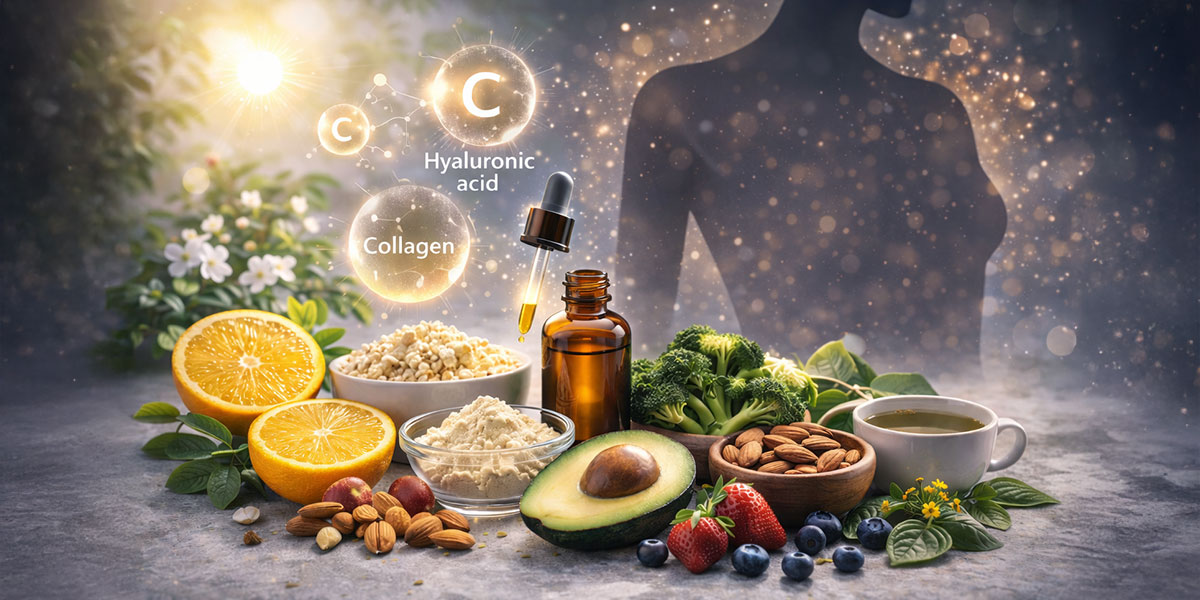


Collagen is one of the most important proteins in the body, essential for healthy skin, joints, bones, and hair. As we age, natural collagen production gradually declines, affecting skin elasticity and joint strength. While collagen supplements are popular, supporting the body’s natural collagen production remains a key factor for long-term health. This article explores the main nutritional and lifestyle factors that help stimulate collagen production naturally.
Protein-Rich Nutrition
Protein provides the building blocks for collagen synthesis, particularly amino acids such as glycine and proline. Consuming high-quality protein sources like meat, fish, eggs, and legumes supplies the raw materials needed for collagen production. Insufficient protein intake can slow collagen synthesis, negatively impacting skin and joint health.
The Essential Role of Vitamin C
Vitamin C plays a critical role in collagen formation by enabling the conversion of amino acids into functional collagen. Without adequate vitamin C, collagen synthesis becomes inefficient. Rich sources include citrus fruits, strawberries, bell peppers, and kiwi. Regular intake supports skin elasticity and overall tissue health.
Minerals That Support Collagen Production
Certain minerals, especially zinc and copper, are essential for collagen synthesis. Zinc supports tissue repair and enzyme activity, while copper helps stabilize and strengthen collagen fibers. These minerals can be found in nuts, whole grains, legumes, and seafood, making them an important part of a collagen-supportive diet.
Quality Sleep and Stress Reduction
Adequate sleep is vital for cellular repair and regeneration, including collagen production. During deep sleep, the body enhances tissue repair processes. Chronic stress, on the other hand, increases cortisol levels, which can break down collagen and accelerate aging. Maintaining good sleep habits and managing stress support healthy collagen levels.
Physical Activity and Healthy Lifestyle
Moderate exercise improves blood circulation, delivering oxygen and nutrients to skin and connective tissues, which supports collagen synthesis. In contrast, smoking and excessive sun exposure accelerate collagen breakdown. Adopting an active lifestyle while avoiding harmful habits helps maintain healthy collagen levels.