

Protein is an essential nutrient the body needs for growth, cell repair, and proper function. It is found in a wide variety of foods, and it is important to consume enough protein daily. The amount of protein you need depends on your weight, gender, age, and overall health.
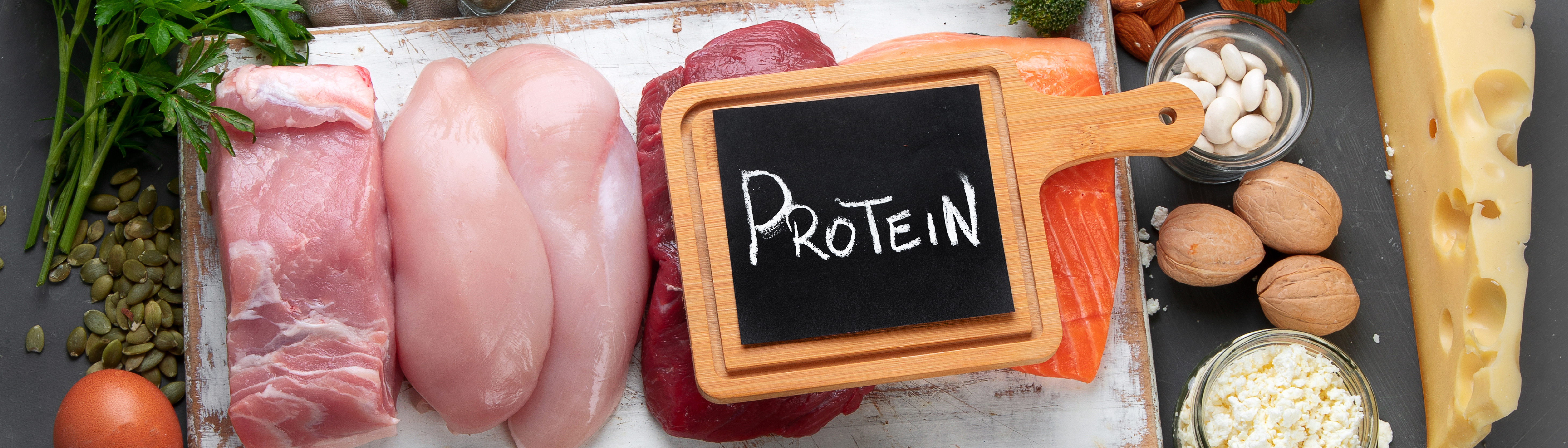
Protein can be derived from both plant and animal sources, including meat, fish, eggs, dairy products, seeds, nuts, and legumes such as beans and lentils.
Top Protein-Rich Foods for Muscle Building
Whole Eggs
Eggs are among the most nutritious foods. They provide highly bioavailable protein along with vitamins, minerals, healthy fats, and antioxidants.
One large egg (50g) contains 6.3g of high-quality protein.
Chicken Breast
An excellent high-protein option that also provides B vitamins, zinc, and selenium.
Half a chicken breast (86 g) provides 26.7 g of protein.
Almonds
Rich in fiber, vitamin E, manganese, and magnesium.
One ounce (28 g) provides 6 g of plant-based protein.
Cottage Cheese
Low in fat and calories but high in protein.
One cup (226 g) provides 28 g of protein.
Greek Yogurt
High in protein with a creamy texture and rich in calcium and vitamin B12.
A 7-ounce (200 g) serving provides 19.9 g of protein.
Lean Beef
Rich in protein, iron, zinc, selenium, and B vitamins.
A 3-ounce (85 g) serving provides 24.6 g of protein.
Fish
Excellent protein source with essential nutrients like iodine and vitamin B12. Fatty fish such as salmon provide omega-3 fatty acids.
Half a salmon fillet (124 g) provides 30.5 g of protein.
Turkey Breast
High in protein and low in fat.
A 3-ounce (85 g) serving provides 25.6 g of protein.
High-Protein Foods for Weight Gain
Protein is the foundation for building muscle tissue. Some people use protein supplements to meet higher needs.
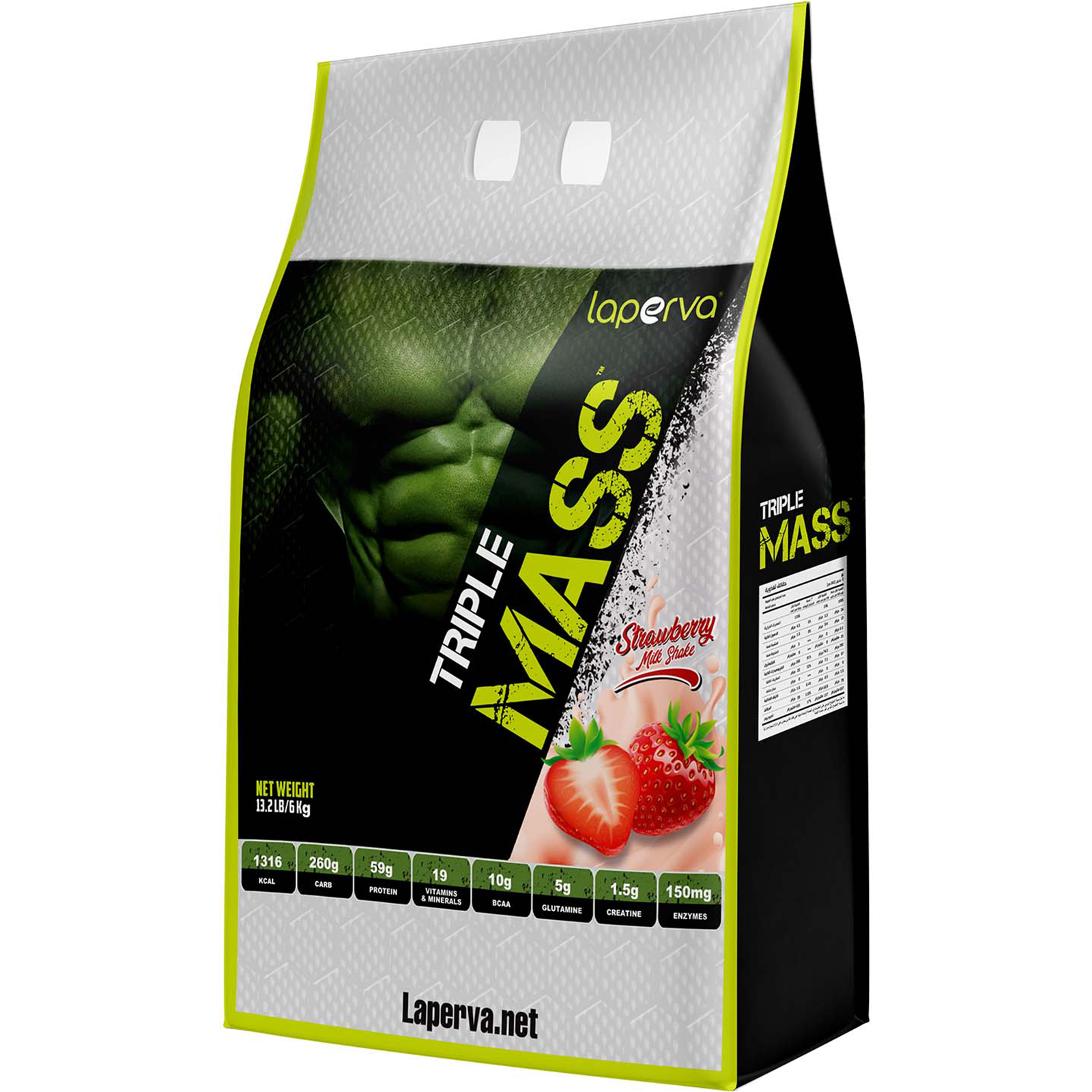
LaPerva Triple Mass Gainer
Per serving (2 scoops):
-
1316 calories with water
-
59 g protein
-
10 g BCAA
-
5 g glutamine
-
1.5 g creatine
-
19 vitamins and minerals
Low-Calorie High-Protein Foods
-
Tuna: Around 20 g protein per 100 g under 100 calories
-
Turkey breast: 22 g protein per 100 g
-
Cottage cheese: 11 g protein per 100 g
-
Eggs: 13 g protein per 100 g
-
Lentils: 9 g protein per 100 g cooked
High-Protein Foods After Workout
Post-workout meals should support muscle recovery and nutrient absorption.
Examples:
-
Grilled chicken with rice and vegetables
-
Salmon with sweet potatoes
-
Oatmeal with whey protein and banana
-
Greek yogurt with berries
High-Protein Foods for Children
According to the USDA:
-
Ages 1–3: 13 g per day
-
Ages 4–5: 19 g per day
Good sources include eggs, yogurt, cheese, chicken, meat, lentils, beans, whole grains, fish, and milk.
High-Protein Foods for Pregnancy
During pregnancy, women need 60–100 g of protein daily, depending on weight and activity level. Good sources include meat, poultry, fish, eggs, dairy, tofu, and legumes. Consult a healthcare provider before using protein powders.
Recommended Daily Protein Intake
Most adults need 46–63 g per day.
Pregnant and breastfeeding women need about 65 g per day.
Athletes may require more to build muscle mass.
Top high-protein foods include eggs, chicken breast, steak, tuna, tofu, yogurt, lentils, and pumpkin seeds.
Meta Description (Arabic)