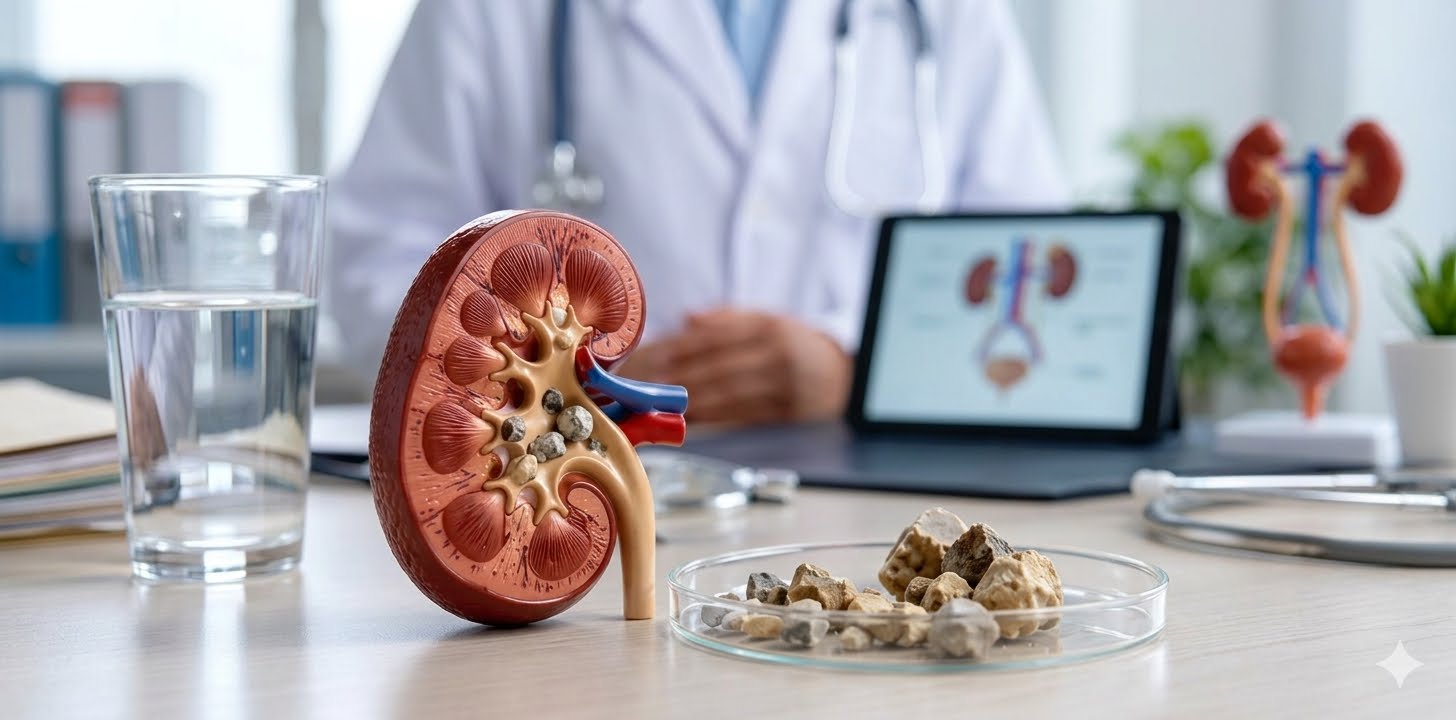


Kidney stones are among the most common urinary tract conditions worldwide, affecting millions of adults and often causing sudden, intense pain when stones move through the urinary system. Although many kidney stones pass naturally, larger stones may require medical treatment and can significantly impact quality of life. Even after successful treatment, recurrence is common, making long-term prevention an important part of kidney health.
The good news is that many kidney stones can be prevented through healthy lifestyle habits. Drinking plenty of water, maintaining a balanced diet, reducing excessive sodium intake, and identifying individual risk factors remain the foundation of kidney stone prevention. In addition to these measures, certain natural supplements have gained attention for their potential role in supporting urinary health and helping reduce factors associated with stone formation.
Several nutrients and herbal ingredients—including potassium citrate, magnesium, vitamin B6, omega-3 fatty acids, and Chanca Piedra (Phyllanthus niruri)—have been studied for their ability to support normal urinary chemistry, reduce crystal formation, or promote overall kidney wellness. While research continues to evolve, these supplements may offer additional support when combined with proper hydration and medical guidance.
It is important to remember that not every supplement is appropriate for every type of kidney stone. Calcium oxalate, uric acid, calcium phosphate, struvite, and cystine stones each develop for different reasons, and supplement recommendations may vary accordingly. Natural supplements should be viewed as part of a comprehensive kidney health plan rather than a replacement for professional diagnosis or treatment.
In this guide, you'll learn how kidney stones form, discover five natural supplements that may support kidney health, explore lifestyle habits that help reduce the risk of recurrence, understand important safety considerations, and learn how to choose high-quality supplements to complement a healthy lifestyle.
Table of Contents
What Are Kidney Stones?
Kidney stones are hard deposits of minerals and salts that form inside the kidneys when certain substances in the urine become highly concentrated and crystallize. These crystals can gradually grow into stones of different sizes, ranging from tiny particles that pass unnoticed to larger stones that may block the urinary tract and cause severe pain.
Several types of kidney stones exist, with calcium oxalate stones being the most common. Other types include calcium phosphate, uric acid, struvite, and cystine stones, each developing through different metabolic or medical conditions. Understanding the type of stone is essential because prevention strategies and supplement recommendations may differ depending on its composition.
Common symptoms of kidney stones may include sudden flank or lower back pain, pain that radiates toward the groin, blood in the urine, frequent urination, nausea, vomiting, or discomfort during urination. However, very small stones may cause no symptoms until they begin moving through the urinary tract.
How Do Kidney Stones Form?
Kidney stones develop when the balance of minerals, salts, and fluids in the urine changes, allowing crystals to form and gradually stick together. Normally, urine contains substances that help prevent crystal formation, but dehydration or certain dietary and medical factors can disrupt this balance.
One of the biggest risk factors is not drinking enough water, which leads to concentrated urine and increases the likelihood of crystal formation. Other contributing factors include excessive sodium intake, diets high in animal protein, obesity, certain digestive disorders, family history, recurrent urinary tract infections, and metabolic conditions that alter urine composition.
Although supplements may help support urinary health in some individuals, they work best when combined with healthy lifestyle habits and personalized medical advice based on the specific type of kidney stone.
5 Natural Supplements for Kidney Stones
1. Potassium Citrate
Potassium citrate is one of the most widely recommended supplements for people prone to certain types of kidney stones, particularly calcium oxalate and uric acid stones. Citrate naturally binds to calcium in the urine, helping reduce crystal formation while also increasing urinary citrate levels, an important natural inhibitor of kidney stone development.
In addition, potassium citrate may help make urine less acidic, creating an environment that is less favorable for the formation of uric acid stones.
Potential benefits include:
- Helps increase urinary citrate levels.
- May reduce calcium crystal formation.
- Supports a healthy urinary pH balance.
- May help lower the risk of recurrent kidney stones.
Best for: Adults with low urinary citrate or individuals who experience recurrent calcium oxalate or uric acid stones under healthcare supervision.
2. Magnesium
Magnesium plays an important role in urinary health and may help reduce the formation of calcium oxalate crystals. It can bind with oxalate in the digestive tract before it is absorbed, potentially decreasing the amount of oxalate that reaches the kidneys.
Many people do not consume enough magnesium through diet alone, making supplementation a practical option when recommended by a healthcare professional.
Potential benefits include:
- May help reduce calcium oxalate crystal formation.
- Supports normal muscle and nerve function.
- Contributes to healthy electrolyte balance.
- Supports overall kidney and metabolic health.
Best for: Individuals seeking additional support for calcium oxalate stone prevention and overall mineral balance.
3. Vitamin B6
Vitamin B6 (Pyridoxine) supports normal oxalate metabolism and may help reduce urinary oxalate levels in some individuals. Since excessive urinary oxalate is a major contributor to calcium oxalate stone formation, maintaining adequate vitamin B6 intake may support long-term kidney stone prevention.
Vitamin B6 also plays essential roles in protein metabolism, nervous system function, and energy production, making it an important nutrient for overall health.
Potential benefits include:
- Supports healthy oxalate metabolism.
- May help reduce urinary oxalate levels.
- Supports nervous system function.
- Contributes to normal energy metabolism.
Best for: Adults with low vitamin B6 intake or individuals managing calcium oxalate stone risk as advised by a healthcare professional.
4. Omega-3 Fatty Acids
Omega-3 fatty acids are best known for supporting heart health, but they may also contribute to kidney wellness through their anti-inflammatory properties. Chronic inflammation may influence overall kidney health, and some research suggests omega-3 fatty acids may support normal kidney function and healthy urinary balance.
Although omega-3 supplements are not considered a primary treatment for kidney stones, they may complement a comprehensive kidney health strategy.
Potential benefits include:
- Supports overall kidney health.
- Provides anti-inflammatory support.
- Supports cardiovascular wellness.
- Complements a healthy lifestyle.
Best for: Adults looking to support both kidney and cardiovascular health.
5. Chanca Piedra (Phyllanthus niruri)
Chanca Piedra, also known as Phyllanthus niruri, has traditionally been used to support urinary tract and kidney health. Sometimes referred to as the "stone breaker" herb, it has attracted scientific interest for its potential ability to support healthy urine flow and reduce factors involved in crystal formation.
While more high-quality clinical studies are still needed, existing research suggests that Chanca Piedra may help support urinary tract wellness as part of an overall kidney health plan.
Potential benefits include:
- Supports normal urinary tract function.
- May help reduce crystal aggregation.
- Supports healthy urine flow.
- Provides antioxidant compounds from natural plant extracts.
Best for: Adults interested in traditional herbal support for urinary and kidney health.
Lifestyle Habits That Help Prevent Kidney Stones
Natural supplements work best when combined with healthy daily habits that support normal kidney function and reduce the risk of stone formation. While no strategy can completely prevent kidney stones in every individual, adopting kidney-friendly lifestyle practices may significantly lower the likelihood of recurrence.
Healthy habits include:
- Drink plenty of water: Staying well hydrated helps dilute urine and reduces the concentration of stone-forming minerals.
- Reduce sodium intake: Excess dietary sodium increases calcium excretion in the urine, which may raise the risk of calcium-based kidney stones.
- Eat adequate dietary calcium: Calcium from food can bind to oxalate in the digestive tract, reducing oxalate absorption. Unless advised otherwise by your healthcare provider, avoid unnecessarily restricting dietary calcium.
- Limit excessive animal protein: High intake of red meat and other animal proteins may increase urinary calcium and uric acid while lowering urinary citrate.
- Maintain a healthy body weight: Obesity and metabolic syndrome are associated with a higher risk of kidney stone formation.
- Follow your healthcare provider's recommendations: Individuals with recurrent kidney stones may benefit from urine testing, dietary modifications, and personalized prevention strategies.
Combining these lifestyle habits with appropriate supplementation may provide the greatest support for long-term urinary tract and kidney health.
Safety Considerations
Although many natural supplements are generally well tolerated, they are not suitable for everyone. Kidney stone prevention should always be individualized because different stone types require different nutritional and medical approaches.
Before using kidney health supplements, consider the following:
- Consult your healthcare provider if you have chronic kidney disease or reduced kidney function.
- Seek medical advice if you are pregnant or breastfeeding.
- Discuss supplementation if you take prescription medications, especially diuretics or blood pressure medications.
- Follow the recommended serving size and avoid excessive supplementation.
- Do not rely on supplements to treat an active kidney stone without medical evaluation.
If you experience severe back or side pain, fever, persistent vomiting, difficulty urinating, or blood in the urine, seek immediate medical care, as these symptoms may indicate a kidney stone requiring prompt treatment.
How to Choose a High-Quality Kidney Health Supplement
The quality of a supplement plays an important role in its safety, consistency, and effectiveness. Choosing products from trusted manufacturers helps ensure that you receive reliable ingredients and clearly labeled formulations.
When selecting kidney health supplements, look for:
- Clearly labeled active ingredients and serving sizes.
- Products manufactured by reputable brands with transparent quality standards.
- Third-party testing or quality certifications whenever available.
- Minimal unnecessary fillers, artificial colors, or additives.
- Supplements formulated specifically for kidney or urinary health support.
- Products that follow good manufacturing practices (GMP).
Choosing high-quality supplements, together with proper hydration, balanced nutrition, and medical guidance, can help support long-term kidney wellness.
Recommended Kidney Health Supplements
Support your kidney health with carefully selected supplements that may help maintain healthy urinary function and complement a kidney-friendly lifestyle.
- Natural Factors Potassium Citrate 99 mg
Ideal for: Supporting healthy urinary citrate levels and urinary tract wellness. - Magnesium Supplements
Ideal for: Supporting mineral balance, muscle function, and calcium oxalate metabolism. - Vitamin B6 Supplements
Ideal for: Supporting healthy oxalate metabolism and overall metabolic health. - Omega-3 & Omega Blend Supplements
Ideal for: Supporting kidney wellness, heart health, and healthy inflammatory balance. - Chanca Piedra Supplements or Phyllanthus niruri Supplements
Ideal for: Traditional herbal support for urinary tract and kidney health.
FAQ
1. What is the best natural supplement for kidney stones?
The best supplement depends on the type of kidney stone and your individual health needs. Potassium citrate is commonly recommended for certain calcium and uric acid stones, while magnesium, vitamin B6, omega-3 fatty acids, and Chanca Piedra may provide additional support. Always consult your healthcare provider before starting supplementation.
2. Can supplements dissolve existing kidney stones?
Natural supplements are not proven to dissolve most existing kidney stones. Their primary role is to support urinary health and help reduce the risk of future stone formation as part of a comprehensive prevention plan.
3. Is drinking more water more important than taking supplements?
Yes. Staying well hydrated is considered one of the most effective strategies for reducing the risk of kidney stone formation. Supplements may provide additional support but should never replace adequate daily fluid intake.
4. Who is more likely to develop kidney stones?
People with a family history of kidney stones, dehydration, obesity, high sodium intake, certain digestive disorders, or previous kidney stones may have a higher risk. Medical conditions that affect urine composition can also increase the likelihood of recurrence.
5. Should I take kidney stone supplements without medical advice?
It is best to consult a healthcare professional before using supplements, especially if you have kidney disease, recurrent kidney stones, take prescription medications, or are unsure about the type of kidney stone you have.
Conclusion
Kidney stones are a common condition, but many cases can be managed and the risk of recurrence reduced through a combination of healthy lifestyle habits and appropriate nutritional support. Staying well hydrated, following a balanced diet, limiting excess sodium, and maintaining a healthy body weight remain the cornerstones of kidney stone prevention.
Natural supplements such as potassium citrate, magnesium, vitamin B6, omega-3 fatty acids, and Chanca Piedra (Phyllanthus niruri) may provide additional support for urinary tract and kidney health when selected carefully and used under appropriate medical guidance. Because prevention strategies vary depending on the type of kidney stone, working with a healthcare professional can help you choose the most suitable approach. By combining evidence-based nutrition, quality supplements, and healthy daily habits, you can take meaningful steps toward supporting long-term kidney health and reducing the likelihood of future stone formation.