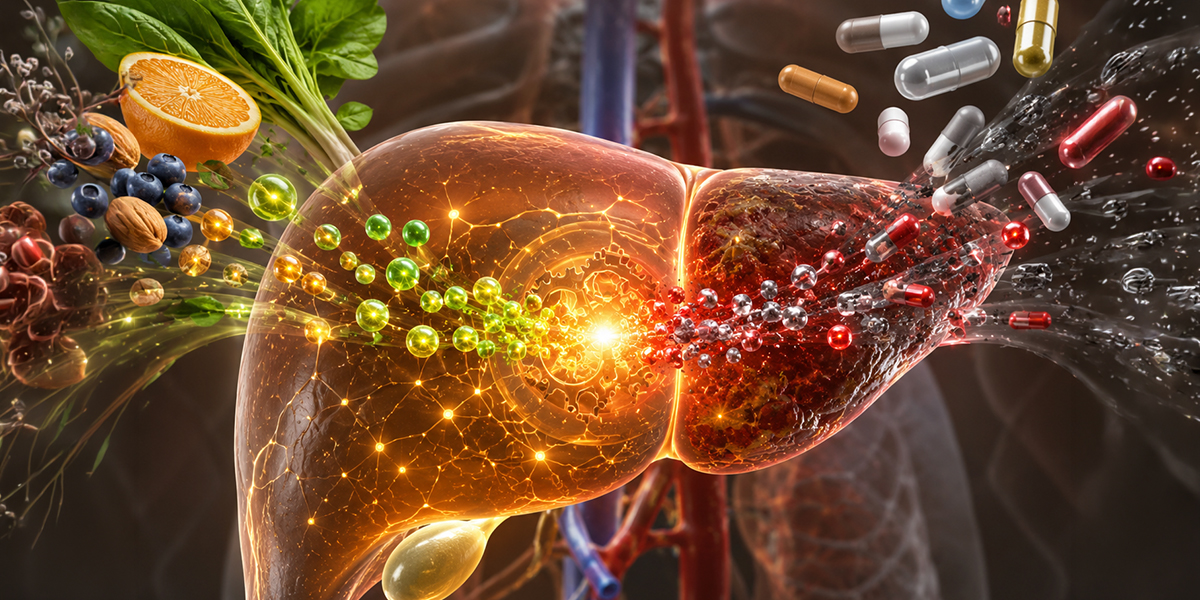


The liver is one of the body’s most important organs, involved in energy metabolism, detoxification, nutrient storage, and the regulation of many essential biological processes.
One of its important roles is helping convert certain vitamins into active forms that the body can use efficiently. With the growing use of dietary supplements and synthetic vitamins, it is important to understand how the liver processes different nutrient forms and why some people may need more suitable or active forms.
Table of Contents
Why the Liver Matters for Vitamin Utilization
The liver acts as a major processing center for nutrients. After vitamins and other nutrients are absorbed from the digestive system, many of them pass through the liver before being stored, converted, transported, or used by the body.
This is especially important for vitamins that are not fully active when consumed. These nutrients may require enzymatic conversion before they can perform their biological functions effectively.
When liver function is healthy, the body is generally better able to regulate nutrient levels and use vitamins properly. When conversion ability is reduced, some people may not respond well to certain supplement forms.
How Does the Liver Activate Vitamins?
Some vitamins are consumed in forms that are not immediately ready for direct use by the body’s cells.
These vitamins must go through conversion processes involving enzymes, co-factors, and metabolic pathways. The liver plays a central role in many of these steps, helping transform nutrients into forms that support energy, immunity, nerve function, bone health, and cellular activity.
This process does not mean that inactive vitamins are useless. It simply means the body must successfully convert them before they can provide their full benefit.
- Some vitamins need enzymatic conversion before becoming active.
- The liver helps process and regulate nutrient forms.
- Conversion efficiency may vary between individuals.
- Health status, diet quality, genetics, and liver function can influence utilization.
- Active forms may be useful for people with reduced conversion ability.
Examples of Vitamins That Require Conversion
Several vitamins depend on conversion steps before the body can use them efficiently.
Vitamin D, for example, must be converted into more active forms through processes involving the liver and kidneys. Certain B vitamins may also require conversion into metabolically active coenzyme forms.
Examples include folic acid, which must be converted into active folate forms, and vitamin B12, which exists in different forms that may vary in how directly the body can use them.
| Vitamin | Common Form | Active or Usable Form | Why Conversion Matters |
|---|---|---|---|
| Vitamin D | Vitamin D3 or D2 | Activated vitamin D metabolites | Supports calcium balance, bones, muscles, and immunity |
| Folate | Folic acid | Methylfolate | Supports methylation, red blood cells, and cellular function |
| Vitamin B12 | Cyanocobalamin | Methylcobalamin or adenosylcobalamin | Supports nerves, energy metabolism, and red blood cell formation |
| Vitamin B6 | Pyridoxine | Pyridoxal-5-phosphate | Supports amino acid metabolism and nervous system function |
Why Synthetic Forms May Be More Demanding
Some synthetic vitamin forms may require additional conversion steps before they become biologically active.
This may place more metabolic demand on the body, especially in individuals with reduced liver function, digestive absorption problems, genetic differences affecting vitamin conversion, or increased nutritional needs.
Very high supplement doses may also require extra processing, storage, or elimination. In some cases, additives, fillers, or unnecessary mega-doses can make a supplement less suitable for sensitive individuals.
| Factor | Possible Effect | Who May Be More Sensitive? |
|---|---|---|
| Extra Conversion Steps | The body must transform the vitamin before use | People with reduced conversion capacity |
| High Supplement Doses | May require more processing or elimination | People using multiple supplements |
| Absorption Issues | Nutrients may not be absorbed or utilized efficiently | People with digestive concerns |
| Liver Stress | Conversion and metabolism may become less efficient | People with liver-related health concerns |
Are Synthetic Vitamins Harmful?
Synthetic vitamins are not automatically harmful. Many people use traditional supplement forms safely and benefit from them, especially when they correct a real deficiency or fill a nutritional gap.
However, some individuals may respond better to active or coenzymated vitamin forms because these may require fewer conversion steps before use.
For example, methylfolate may be preferred over folic acid for some people, and methylcobalamin or adenosylcobalamin may be preferred over cyanocobalamin in certain situations. The right choice depends on individual needs and professional guidance.
- Synthetic vitamins can be useful when properly selected.
- Active forms may be easier to use for some individuals.
- Natural food sources provide nutrients alongside fiber, antioxidants, and co-factors.
- Not everyone needs advanced or active forms.
- Supplement choice should match the person, not just the trend.
Supporting Liver Health for Better Vitamin Use
Healthy liver function supports the body’s ability to process vitamins, regulate nutrient levels, and manage metabolic waste products.
A balanced diet rich in whole foods, adequate hydration, quality sleep, regular physical activity, and reduced intake of highly processed foods can help support liver health and nutrient utilization.
It is also important to avoid unnecessary supplement stacking, excessive doses, and long-term use of high-dose products without guidance.
| Healthy Habit | How It Supports the Liver | Practical Tip |
|---|---|---|
| Balanced Diet | Provides vitamins, minerals, protein, and antioxidants | Focus on vegetables, fruits, lean protein, and whole grains |
| Hydration | Supports normal metabolism and waste removal | Drink water consistently throughout the day |
| Quality Sleep | Supports recovery and metabolic balance | Maintain a regular sleep schedule |
| Smart Supplement Use | Reduces unnecessary metabolic burden | Use targeted supplements instead of random high doses |
Frequently Asked Questions
Does the liver activate all vitamins?
No. Not all vitamins require the same level of liver conversion, but the liver plays an important role in processing, storing, and regulating several vitamins.
Why do some vitamins need conversion?
Some vitamins are consumed in inactive or less active forms and must be converted into biologically active forms before the body can use them efficiently.
Are synthetic vitamins bad for the liver?
Not necessarily. Many synthetic vitamins are safe when used appropriately, but high doses or forms requiring extra conversion may be less suitable for some individuals.
Are active vitamin forms better?
Active forms may be beneficial for people with reduced conversion ability or specific needs, but not everyone requires them. The best form depends on the individual.
How can I support vitamin utilization naturally?
Eat a balanced diet, support liver health, avoid unnecessary high-dose supplements, stay hydrated, sleep well, and consult a professional if you suspect deficiency or absorption issues.
Conclusion
The liver plays a critical role in converting certain vitamins into active forms so the body can benefit from them properly.
While synthetic supplements can be useful in many cases, some individuals may have difficulty converting or utilizing certain forms efficiently. Supporting liver health, choosing supplements carefully, avoiding unnecessary high doses, and maintaining a balanced diet remain essential for optimal nutrient absorption and overall well-being.