

Iron is an essential mineral that supports oxygen transport, energy production, and normal red blood cell formation.
However, excessive iron accumulation can lead to a serious condition known as hemochromatosis. In this disorder, excess iron may be deposited in vital organs, causing progressive damage that can remain silent in the early stages.
Table of Contents
What Is Hemochromatosis?
Hemochromatosis is a condition in which the body stores too much iron.
It may occur due to inherited genetic factors, excessive iron absorption, repeated blood transfusions, or other medical conditions that affect iron regulation.
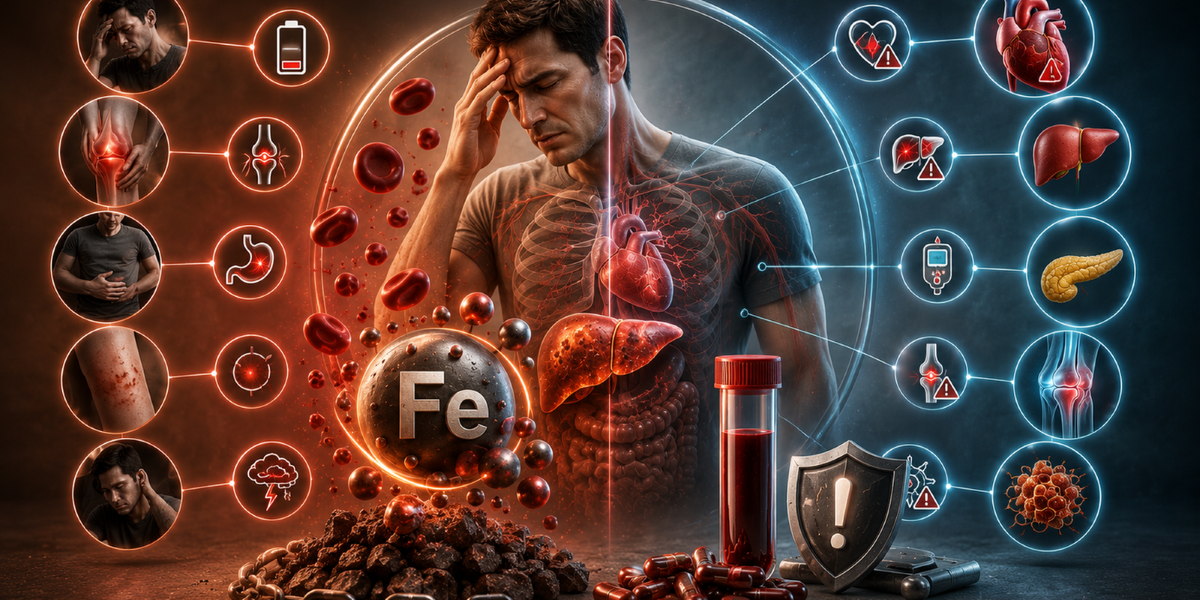
Over time, iron may accumulate in organs such as the liver, heart, pancreas, joints, and endocrine glands.
Early Symptoms of Iron Overload
In the early stages, iron overload may cause vague symptoms that are easy to overlook.
Many people may experience general fatigue, joint discomfort, difficulty concentrating, low mood, or weakness without immediately linking these symptoms to iron accumulation.
Because symptoms can resemble many other conditions, diagnosis may be delayed unless iron markers are checked through blood tests.
- Chronic fatigue or low energy.
- Joint pain or stiffness.
- Difficulty concentrating.
- Mood changes or irritability.
- Weakness or reduced physical performance.
- Abdominal discomfort in some cases.
- Darkening or bronze-like skin tone in advanced cases.
Effects on the Liver and Heart
The liver is one of the organs most affected by excess iron accumulation.
Over time, iron deposits may contribute to liver enlargement, inflammation, fibrosis, cirrhosis, or liver failure in severe untreated cases.
Iron may also accumulate in the heart muscle, which can affect normal heart rhythm and contribute to cardiomyopathy or progressive heart failure.
| Affected Area | Possible Effects | Why Monitoring Matters |
|---|---|---|
| Liver | Liver enlargement, fibrosis, cirrhosis, or liver failure | Early detection may help reduce long-term damage |
| Heart | Arrhythmias, cardiomyopathy, or heart failure | Heart-related symptoms require prompt medical review |
| Pancreas | Higher risk of blood sugar problems or diabetes | Glucose and metabolic markers may need follow-up |
| Joints | Pain, stiffness, or arthritis-like symptoms | Joint symptoms may be an early warning sign |
Effects on Endocrine Function and Joints
Excess iron can affect endocrine organs, including the pancreas and glands involved in hormone regulation.
Iron accumulation in the pancreas may increase the risk of diabetes or abnormal blood sugar control.
It may also disrupt hormonal balance, potentially affecting fertility, libido, thyroid-related markers, or general metabolic function depending on the individual case.
Iron accumulation in the joints may lead to chronic pain and stiffness that can resemble inflammatory arthritis.
Diagnosis and Monitoring
Iron overload is usually evaluated through blood tests that measure iron-related markers.
Common tests may include serum ferritin, transferrin saturation, serum iron, total iron-binding capacity, liver function tests, and in some cases genetic testing for hereditary hemochromatosis.
Regular monitoring is important because iron overload may progress silently before symptoms become obvious.
- Ferritin: reflects stored iron but may also rise with inflammation or liver issues.
- Transferrin saturation: helps assess how much iron is bound and circulating.
- Genetic testing: may be used when hereditary hemochromatosis is suspected.
- Liver tests: may help assess organ impact.
- Ongoing follow-up: helps reduce the risk of long-term complications.
Who Should Be More Careful with Iron Supplements?
Some people should be especially cautious with iron supplementation unless it is recommended after proper testing.
This includes individuals with a family history of hemochromatosis, elevated ferritin, liver disease, unexplained fatigue with high iron markers, men, postmenopausal women, and people taking multivitamins that contain iron without confirmed need.
Iron deficiency and iron overload can both cause health problems, so testing is important before starting or continuing high-dose iron.
Frequently Asked Questions
What is iron overload?
Iron overload occurs when the body stores too much iron. Over time, excess iron may accumulate in organs such as the liver, heart, pancreas, and joints.
What are early symptoms of hemochromatosis?
Early symptoms may include fatigue, joint pain, weakness, mood changes, difficulty concentrating, and general discomfort. These symptoms can be vague and easily overlooked.
Can too much iron damage the liver?
Yes. Excess iron may accumulate in the liver and contribute to inflammation, fibrosis, cirrhosis, or serious liver complications if untreated.
How is iron overload diagnosed?
Diagnosis usually involves blood tests such as ferritin and transferrin saturation. Genetic testing may be used when hereditary hemochromatosis is suspected.
Should everyone avoid iron supplements?
No. Iron supplements may be necessary for people with confirmed deficiency. However, they should not be taken unnecessarily or in high doses without proper guidance.
Conclusion
Iron overload is not a minor condition. It can cause significant organ damage if left untreated, especially in the liver, heart, pancreas, joints, and hormone-related systems.
Early recognition, proper testing, careful supplement use, and ongoing medical management are key to protecting vital organs and maintaining long-term health.