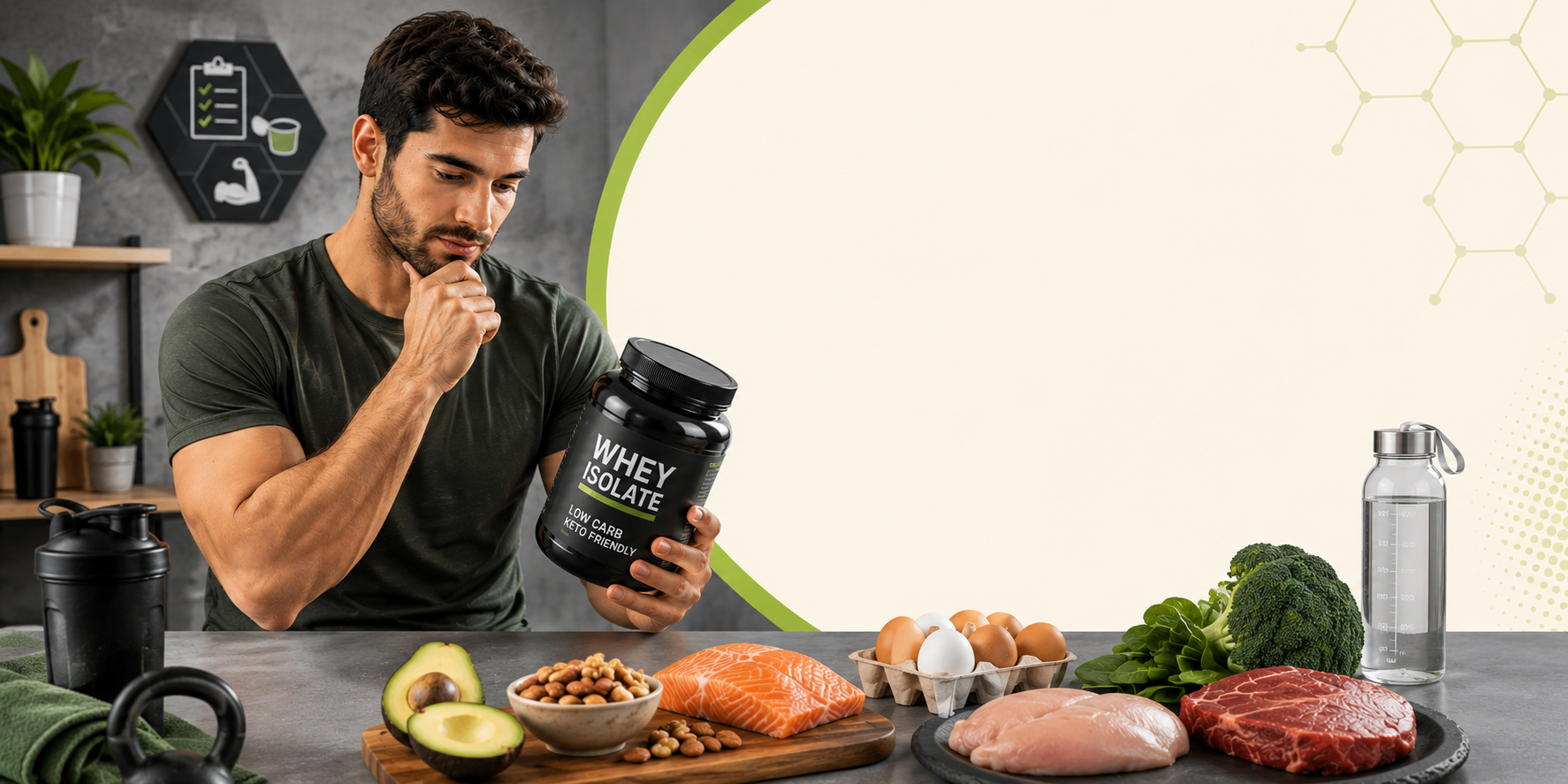


The keto diet focuses on reducing carbohydrates, increasing healthy fats, and maintaining adequate protein intake to support muscle health and satiety.
Choosing the right protein supplement is important because the wrong product may contain hidden carbohydrates, added sugars, or ingredients that make it harder to maintain ketosis and achieve weight-loss goals.
Table of Contents
Why Protein Choice Matters on Keto
Protein is essential on a keto diet because it helps maintain muscle mass, supports recovery, and increases fullness between meals.
However, keto requires careful carbohydrate control, so not every protein powder or ready-to-drink shake is suitable.
A keto-friendly protein supplement should provide quality protein with minimal carbohydrates, no added sugars, and a clean ingredient profile that supports your dietary goals.
Understanding Your Protein Needs
The ideal protein amount depends on body weight, activity level, fitness goals, and the type of keto plan being followed.
People who exercise regularly may need more protein to support muscle recovery, while those focusing mainly on weight loss may need a balanced amount that supports fullness without overconsumption.
Very high protein intake may affect ketosis in some individuals, especially if total calories and carbohydrates are not controlled. For this reason, protein should be planned as part of the full keto diet, not added randomly.
| Factor | How It Affects Protein Needs | Practical Note |
|---|---|---|
| Body weight | Larger bodies may require more protein | Adjust intake based on individual needs |
| Physical activity | Exercise increases recovery needs | Active people may benefit from higher protein intake |
| Keto goal | Weight loss, muscle maintenance, or performance goals may differ | Choose the dose according to your plan |
Consider Carbohydrate Content
Carbohydrate content is one of the most important factors when choosing a protein supplement for keto.
A suitable product should contain the lowest possible amount of carbohydrates per serving, especially if your daily carb limit is strict.
Choosing a low-carb protein supplement helps support fat-burning mode and reduces the chance of raising blood sugar or exceeding your daily carb allowance.
Suitable Types of Protein Supplements
Several protein types can fit a keto diet when they are low in carbohydrates and free from added sugars.
Whey isolate is often a popular choice because it is usually high in protein and lower in carbohydrates and lactose than regular whey concentrate.
Casein and egg protein may also be suitable because they provide quality amino acids and can support satiety, especially when used between meals.
| Protein Type | Why It May Fit Keto | Best Use |
|---|---|---|
| Whey isolate | Usually low in carbs and rich in amino acids | Post-workout or daily protein support |
| Casein protein | Slow-digesting and supports fullness | Between meals or before bedtime |
| Egg protein | Low in carbohydrates and high in quality protein | Alternative for people avoiding dairy |
Check for Additional Ingredients
Many protein supplements contain added flavors, sweeteners, thickeners, or fillers that may increase carbohydrate content.
For keto, it is better to choose products with simple, clear ingredients and no added sugar.
Avoid protein powders that contain high-carb flavor systems, sugar syrups, maltodextrin, or unclear blends that may make it harder to track your macros.
- Choose products with no added sugar.
- Check for hidden carbohydrates in flavors and fillers.
- Avoid high-carb artificial flavor blends when possible.
- Prefer simple ingredient lists.
- Make sure the product fits your daily carb limit.
Timing Your Protein Intake
Protein timing can help support muscle maintenance, recovery, and appetite control during a keto diet.
A protein supplement may be useful after exercise to support recovery or as a snack between meals to increase fullness.
The best timing depends on your routine, training schedule, hunger patterns, and total daily protein target.
| Timing | Why It Helps | Keto Note |
|---|---|---|
| After exercise | Supports muscle recovery | Choose a low-carb protein serving |
| Between meals | May reduce hunger and snacking | Helps support satiety without high carbs |
| As part of a meal | Helps balance protein intake | Pair with healthy fats if needed |
Frequently Asked Questions
What protein powder is best for keto?
Whey isolate, casein, and egg protein can be good keto-friendly options when they are low in carbohydrates and free from added sugars.
Can too much protein affect ketosis?
Very high protein intake may affect ketosis in some individuals, especially if total calories and carbohydrates are not controlled. Balance is important.
Should keto protein supplements be sugar-free?
Yes, choosing sugar-free or very low-sugar protein supplements helps reduce carbohydrate intake and supports keto goals.
When should I take protein on keto?
Protein can be taken after exercise, between meals, or as part of a meal, depending on your training schedule and daily protein needs.
How do I know if a protein supplement suits my keto diet?
Check carbohydrate content, added sugars, ingredient quality, digestion, fullness, energy, and ketone response if you monitor ketone levels.
Conclusion
Choosing the right protein supplement on keto depends on protein quality, carbohydrate content, ingredient purity, timing, and personal tolerance.
A low-carb, clean, well-tolerated protein supplement can help support muscle maintenance, satiety, and weight-loss goals while helping you stay aligned with a healthy keto lifestyle.