

Folic Acid During Pregnancy: The Key Nutrient for Baby’s Brain and Spine Development
Introduction
Folic acid (Vitamin B9) is one of the most essential nutrients during pregnancy. It plays a critical role in early fetal development, especially in the formation of the brain, spinal cord, and nervous system. Adequate intake before and during pregnancy significantly reduces the risk of neural tube defects and supports healthy growth from the earliest stages of life.
Because fetal development begins before many women even know they are pregnant, folic acid is considered a preconception and early pregnancy essential nutrient.
Table of Contents
What is Folic Acid?
Folic acid is the synthetic, highly bioavailable form of folate (Vitamin B9), a water-soluble B-vitamin that plays a fundamental role in some of the body’s most important biological processes. It is essential for DNA synthesis, cell division, and the formation of new tissues, making it especially critical during periods of rapid growth such as pregnancy.
Unlike natural folate found in foods, folic acid is more stable and easier for the body to absorb when taken as a supplement. During pregnancy, the body’s demand for folate increases significantly to support the rapid development of the placenta and the growing fetus.
For this reason, folic acid is widely included in prenatal supplements, as adequate intake helps ensure proper fetal development—particularly in the early stages when the brain and spinal cord are forming at a very fast rate.
Role in Fetal Formation
Folic acid is vital in the earliest stages of pregnancy, especially for:
- Formation of the neural tube (brain and spinal cord)
- Prevention of neural tube defects (e.g., spina bifida)
- Proper cell division and DNA formation
- Development of the placenta and fetal tissues
- Supporting healthy growth of the baby’s nervous system
Key point: The neural tube closes within the first 28 days of pregnancy—often before pregnancy is confirmed—making early intake crucial.
Natural Food Sources of Folate
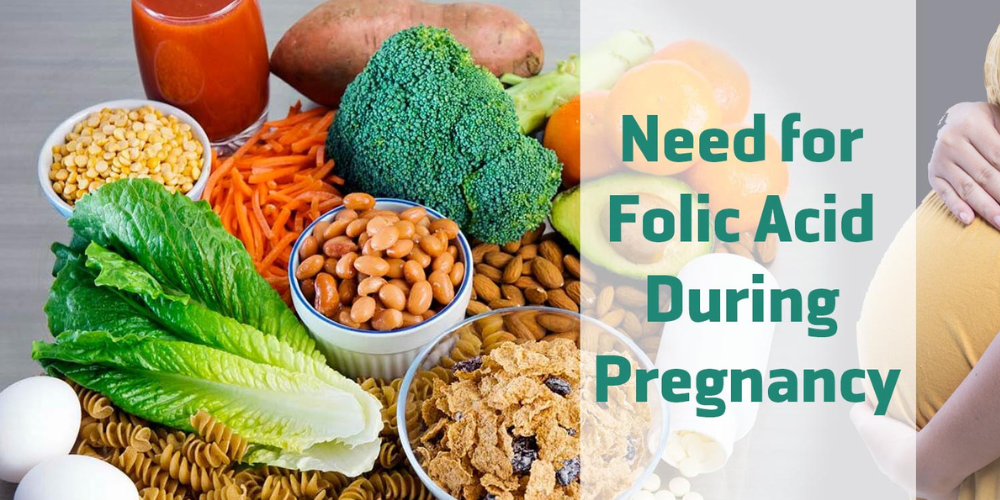
While supplementation plays a key role during pregnancy, folate is also naturally present in a variety of nutrient-dense foods. Including these foods in the daily diet can help support overall folate intake and general maternal health.
Natural sources of folate include:
- Leafy green vegetables (spinach, kale, broccoli)
- Lentils and chickpeas
- Citrus fruits (oranges, lemons)
- Avocado
- Eggs
- Whole grains and fortified cereals
However, even with a balanced diet, food sources alone are often not sufficient to meet the increased folate requirements during pregnancy, which is why supplementation is commonly recommended by healthcare professionals.
How to Take Folic Acid
When to Start?
- Ideally at least 1–3 months before conception
- Continue throughout the first trimester (first 12 weeks)
- In some cases, doctors may advise continuing throughout pregnancy
Recommended Dose
- Standard recommendation: 400–800 mcg daily
- Higher doses (up to 5 mg) may be prescribed for high-risk pregnancies, but only under medical supervision
Absorption Tips
- Take it daily at the same time for consistency
- Can be taken with or without food (morning is often preferred)
- Avoid taking at the same time as high-dose calcium or iron unless advised
- Use prenatal multivitamins for balanced nutrient support
Recommended Products
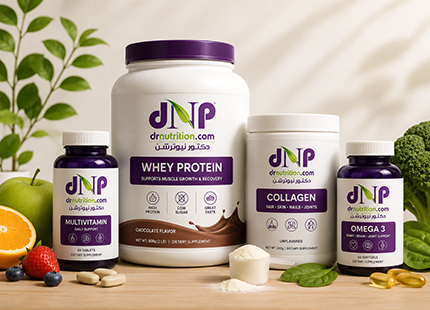
Choosing a high-quality prenatal supplement ensures adequate folic acid intake along with other essential nutrients such as iron, iodine, vitamin D, and DHA.
Explore trusted options here:
Look for products that include:
- 400–800 mcg folic acid
- Iron support
- Vitamin D3
- DHA (for fetal brain development support)
Related nutrients:
FAQ
Is folic acid only needed during pregnancy?
No. It is most important before conception and in early pregnancy, but it also supports overall cell growth and DNA formation.
Can I get enough folate from food alone?
In most cases, no. Dietary intake is often not sufficient to meet increased pregnancy requirements, so supplements are recommended.
What happens if I take too much folic acid?
Excess intake from supplements is generally considered safe, but it should not exceed medical recommendations.
Does folic acid help fertility?
It supports healthy egg development and reproductive health, but it is not a fertility treatment.
Conclusion
Folic acid is a foundational nutrient for healthy pregnancy and proper fetal development. Its role in preventing neural tube defects makes it one of the most important supplements for women planning pregnancy or in early gestation.
Starting supplementation early, maintaining the correct dosage, and combining it with a balanced prenatal formula ensures optimal support for both mother and baby.