

Introduction
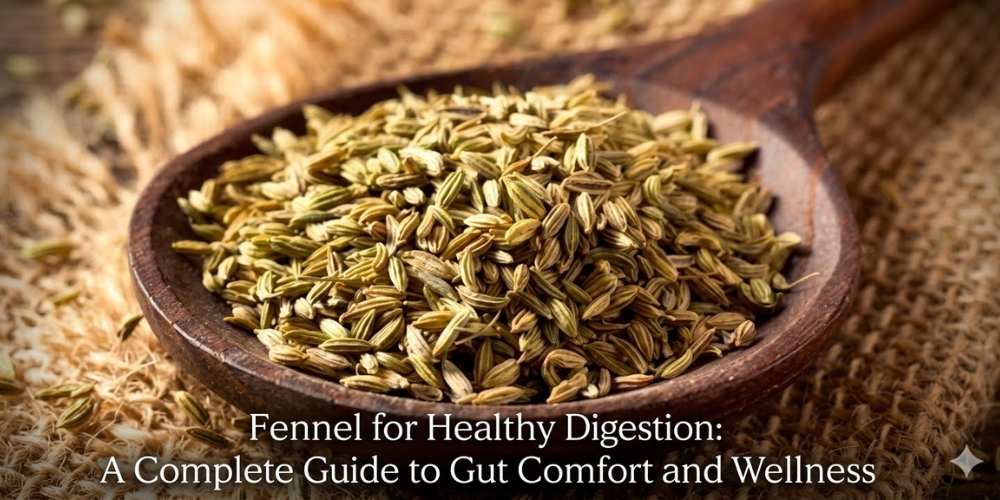
Fennel is a highly aromatic medicinal herb widely used for centuries to support digestive health and overall gastrointestinal comfort. Known for its mild sweet, licorice-like flavor, fennel seeds are naturally rich in essential oils, antioxidants, and bioactive compounds that help soothe the digestive system.
In modern nutrition and herbal wellness, fennel is especially valued for its ability to reduce bloating, relieve gas, support smooth digestion, and promote gut balance. Its natural carminative properties make it a trusted remedy for post-meal discomfort and digestive sensitivity.
Whether consumed as seeds, tea, powder, or extract, fennel offers a gentle yet effective natural solution for daily digestive support and long-term gut wellness.
Table of Contents
- What Is Fennel and Why It Matters for Digestion
- Nutritional and Active Compounds in Fennel
- How Fennel Supports Digestive Health
- Fennel for Bloating and Gas Relief
- Fennel and Gut Microbiome Balance
- Fennel for Indigestion and Stomach Comfort
- How to Use Fennel for Digestive Support
- Best Time and Forms of Fennel Intake
- Possible Side Effects and Safety Considerations
- Who Should Use or Avoid Fennel
- Recommended Fennel Products
- FAQ
- Conclusion
What Is Fennel and Why It Matters for Digestion
Fennel is an aromatic medicinal plant widely used in traditional and modern herbal medicine for its powerful digestive benefits. Scientifically known as Foeniculum vulgare, fennel seeds are the most commonly used part of the plant due to their high concentration of essential oils and active compounds that support gastrointestinal function.
What makes fennel particularly valuable for digestion is its natural ability to soothe the digestive tract while enhancing the body’s ability to process food efficiently. It is considered a “carminative herb,” meaning it helps reduce gas formation, relax intestinal muscles, and support smoother digestion after meals.
In everyday wellness, fennel is often consumed after eating to relieve heaviness, discomfort, and sluggish digestion. Its gentle action makes it suitable for long-term use as part of a digestive health routine.
Nutritional and Active Compounds in Fennel
Fennel seeds contain a rich profile of bioactive compounds that contribute to their digestive-supporting properties:
- Anethole: A key essential oil compound that helps relax digestive muscles and reduce spasms
- Fenchone: Supports gastric function and digestive secretions
- Estragole: Contributes to aromatic and soothing properties
- Dietary fiber: Supports bowel regularity and gut movement
- Flavonoids: Provide antioxidant protection for the digestive system
- Minerals (calcium, magnesium, potassium): Support muscle and nerve function in the gut
These compounds work together to create a multi-layered digestive effect—supporting comfort, motility, and balance within the gastrointestinal system.
How Fennel Supports Digestive Health
Fennel supports digestion through several biological mechanisms rather than a single action. It helps regulate the digestive process by promoting smooth muscle relaxation in the intestines, which reduces cramping and improves food movement through the gut.
It also stimulates the secretion of digestive enzymes, helping the stomach break down food more efficiently. This can reduce feelings of heaviness after meals and improve overall nutrient absorption.
Additionally, fennel supports the gut’s natural rhythm, helping maintain regular digestion and reducing the likelihood of irregular bowel movements or discomfort.
Fennel for Bloating and Gas Relief
One of fennel’s most well-known benefits is its effectiveness in reducing bloating and intestinal gas. The essential oils in fennel help relax the smooth muscles of the gastrointestinal tract, allowing trapped gas to move more easily through the digestive system.
This makes fennel especially helpful after heavy meals or foods that commonly cause bloating. It works by reducing fermentation in the gut and supporting smoother digestion, which directly decreases abdominal pressure and discomfort.
Regular use of fennel tea or seeds after meals is commonly associated with noticeable relief from fullness and bloating.
Fennel and Gut Microbiome Balance
A healthy gut microbiome plays a critical role in digestion, immunity, and overall wellness. Fennel indirectly supports microbiome balance by improving digestive efficiency and reducing conditions that lead to harmful bacterial overgrowth.
Its antioxidant compounds help reduce oxidative stress in the gut lining, creating a healthier environment for beneficial bacteria to thrive. Additionally, its mild antimicrobial properties may help maintain microbial balance without disrupting beneficial gut flora.
Over time, this contributes to a more stable and efficient digestive ecosystem.
Fennel for Indigestion and Stomach Comfort
Fennel is widely used as a natural remedy for indigestion, especially when symptoms include discomfort, heaviness, or slow digestion. It helps by calming the stomach lining and reducing excessive acid or digestive tension.
It also supports better coordination between stomach and intestinal activity, which can reduce symptoms like nausea, fullness, and post-meal discomfort. This makes fennel a gentle but effective option for individuals with sensitive digestive systems.
How to Use Fennel for Digestive Support
Fennel can be incorporated into daily routines in several practical ways:
- Fennel seeds: Chewed after meals to support immediate digestion
- Fennel tea: Steeped seeds in hot water for a calming digestive drink
- Powder form: Added to smoothies or food for daily support
- Capsules/extracts: Used for concentrated and consistent intake
Chewing fennel seeds after meals is one of the most traditional and effective methods, as it activates essential oils directly in the mouth and digestive tract.
Best Time and Forms of Fennel Intake
The timing of fennel consumption can influence its effectiveness and digestive impact:
- After meals: Best for reducing bloating and improving digestion
- Evening: Helps relieve digestive heaviness before sleep
- Morning (tea): Supports gentle digestive activation for the day
Fennel tea is often preferred for overall digestive comfort, while fennel seeds are ideal for quick relief after eating. Consistency is more important than timing, especially for long-term gut support.
Possible Side Effects and Safety Considerations
Fennel is generally considered safe when consumed in moderate amounts, but some individuals may experience mild effects:
- Mild digestive sensitivity in rare cases
- Allergic reactions in individuals sensitive to plants in the carrot family
- Hormonal sensitivity with excessive long-term intake due to phytoestrogen content
Pregnant individuals and those with hormone-sensitive conditions should consult a healthcare professional before regular use. Moderation is key to achieving safe and effective benefits.
Who Should Use or Avoid Fennel
May benefit:
- Individuals with bloating or gas
- People with slow or uncomfortable digestion
- Those seeking natural gut support
- Individuals with occasional indigestion
Should use caution or avoid:
- Pregnant women (without medical advice)
- People with fennel or carrot family allergies
- Individuals on hormone-sensitive treatments
Recommended Fennel Supplements
Explore high-quality fennel and digestive health supplements:
- Natural Factors Soothe Digest (90 Capsules)
Ideal for supporting overall digestive comfort and gut balance. - Snap Gut Health (50 Capsules)
Ideal for maintaining digestive function and gut microbiome support. - Snap Detox Blend Advanced Cleansing (60 Capsules)
Ideal for digestive cleansing and overall gut wellness support.
FAQ
1. What is fennel mainly used for?
Fennel is commonly used to support digestion, reduce bloating, and improve overall gut comfort.
2. Does fennel help with bloating and gas?
Yes, fennel contains natural compounds that help relax the digestive tract and reduce gas buildup.
3. Can fennel improve digestion naturally?
Yes, fennel supports enzyme activity and helps the stomach process food more efficiently.
4. Is fennel good for daily use?
Yes, fennel is generally safe for daily use in moderate amounts such as tea or seeds.
5. When is the best time to take fennel?
It is often taken after meals to support digestion and reduce discomfort.
Conclusion
Fennel is a time-tested natural remedy that offers gentle yet effective support for digestive health. Its unique combination of plant compounds helps ease bloating, improve digestion, and promote overall gut comfort.
When used regularly as part of a balanced lifestyle, fennel can play an important role in maintaining a healthy digestive system and supporting long-term gastrointestinal wellness in a natural way.