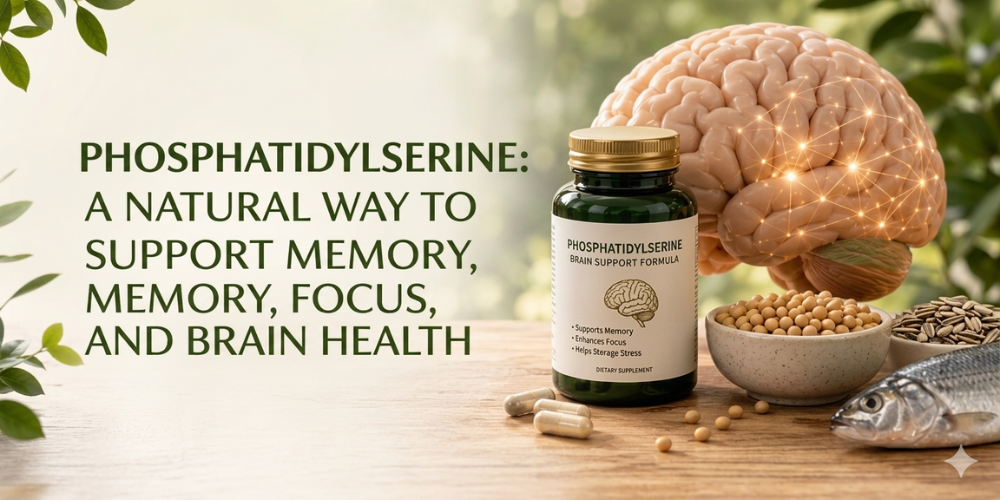


Phosphatidylserine (PS) is a naturally occurring phospholipid that is highly concentrated in the membranes of brain cells. It plays a fundamental structural and functional role in maintaining healthy neuronal communication, supporting signal transmission, and ensuring optimal performance of cognitive processes such as memory formation, attention, and emotional regulation.
Within the human brain, phosphatidylserine contributes to membrane fluidity and cellular integrity, both of which are essential for efficient neurotransmitter activity. As brain cells communicate through electrical and chemical signals, the presence of adequate phosphatidylserine helps maintain responsiveness and adaptability, which are key for learning and cognitive performance.
With aging, dietary habits, and increased oxidative stress, natural phosphatidylserine levels in the body may gradually decline. This reduction has been associated with changes in cognitive efficiency, including slower recall speed, reduced concentration, and decreased mental clarity. As a result, phosphatidylserine supplementation has gained attention in the field of cognitive nutrition and nootropic research.
Today, it is widely studied for its potential role in supporting memory retention, focus, mental performance, and stress regulation, making it a popular choice among students, professionals, and aging individuals seeking to maintain optimal brain health.
Table of Contents
- What Is Phosphatidylserine?
- How It Supports Cognitive Function
- Memory Enhancement
- Focus and Mental Clarity
- Stress and Cortisol Regulation
- Age-Related Cognitive Decline
- Brain Energy and Neurotransmitters
- Who Can Benefit Most
- Usage and Dosage Guidelines
- Food Sources vs Supplements
- Safety and Precautions
- Phosphatidylserine vs Other Brain Supplements
- FAQ
- Conclusion
What Is Phosphatidylserine?
Phosphatidylserine is a phospholipid component naturally found in cell membranes, with the highest concentrations located in brain tissue. It is essential for maintaining cellular structure and ensuring proper function of neurons involved in memory, learning, and emotional regulation.
It also plays a role in apoptosis (cell turnover), helping the brain maintain healthy cellular balance. In addition, phosphatidylserine contributes to synaptic plasticity, which is the brain’s ability to adapt, learn, and form new neural connections.
How Phosphatidylserine Supports Cognitive Function
Phosphatidylserine supports multiple aspects of brain function by enhancing communication between neurons and stabilizing cell membranes. This improves the efficiency of neurotransmitter release and reception, which is essential for cognitive performance.
It is also involved in supporting dopamine and acetylcholine activity, two neurotransmitters strongly linked to motivation, learning ability, and memory formation. By optimizing these pathways, phosphatidylserine may help improve overall mental performance and cognitive resilience.
Phosphatidylserine and Memory Enhancement
One of the most researched benefits of phosphatidylserine is its potential role in supporting memory function. Memory formation depends on efficient communication between neurons and the stability of synaptic connections.
Phosphatidylserine may support both short-term and long-term memory processes by improving synaptic efficiency and enhancing signal transmission in brain regions associated with learning, such as the hippocampus.
Some studies suggest that supplementation may be particularly beneficial in individuals experiencing age-related memory decline or cognitive fatigue due to high mental workload.
Focus, Attention, and Mental Clarity
Phosphatidylserine is also associated with improved attention span and mental clarity. It may help reduce mental fatigue and support sustained focus during cognitively demanding tasks.
This makes it especially relevant for individuals such as students, professionals, and high-performance workers who require prolonged concentration and cognitive endurance throughout the day.
Stress Reduction and Cortisol Regulation
One of the unique properties of phosphatidylserine is its potential role in regulating cortisol, the primary stress hormone. Elevated cortisol levels, especially during chronic stress, can negatively affect cognitive function, memory, and mood.
Phosphatidylserine may help modulate cortisol response, supporting a healthier stress reaction and promoting a more balanced mental state under pressure. This makes it a valuable nutrient in both cognitive and stress management protocols.
Phosphatidylserine and Age-Related Cognitive Decline
As the brain ages, changes in neuronal structure, neurotransmitter levels, and membrane composition may contribute to cognitive decline. Phosphatidylserine naturally decreases with age, which may be linked to reduced cognitive performance.
Supplementation has been studied for its potential to support cognitive function in older adults, particularly in areas such as memory recall, processing speed, and overall mental sharpness.
Brain Energy and Neurotransmitter Support
Phosphatidylserine contributes to the efficiency of brain energy metabolism by supporting mitochondrial function and neurotransmitter balance. This helps maintain mental alertness and reduces feelings of mental fatigue.
It also supports the activity of key neurotransmitters involved in mood regulation and cognitive processing, contributing to overall brain performance and emotional stability.
Benefits for Students, Professionals, and High-Performance Individuals
Phosphatidylserine is widely used in cognitive enhancement strategies due to its broad support for memory, focus, and stress regulation.
- Students may benefit from improved learning capacity and recall
- Professionals may experience better focus and productivity
- High-stress individuals may benefit from cortisol regulation support
- Older adults may use it for cognitive maintenance and brain aging support
Recommended Usage and Dosage Guidelines
Phosphatidylserine supplements are typically available in capsule or softgel form, often derived from soy or sunflower lecithin sources. Standardized formulations ensure consistent phospholipid content.
General dosage range:
- Typical daily dose: 100–300 mg per day
- Divided doses: 100 mg taken 2–3 times daily
- Higher cognitive support protocols may use up to 400 mg under supervision
It is generally recommended to take phosphatidylserine with meals to enhance absorption and reduce gastrointestinal discomfort. Consistent daily use is important for optimal results, with noticeable effects often appearing within 2–6 weeks depending on individual response and lifestyle factors.
Food Sources vs Supplement Form
Phosphatidylserine is naturally found in small amounts in foods such as organ meats, soybeans, fish, and white beans. However, dietary intake is typically insufficient to achieve therapeutic cognitive support levels.
For this reason, supplementation is the most common and practical method for increasing phosphatidylserine intake in a controlled and measurable way.
Safety and Precautions
Phosphatidylserine is generally considered safe when used within recommended dosage ranges. It is well tolerated by most individuals and has a low incidence of side effects.
Possible mild side effects may include:
- Digestive discomfort in sensitive individuals
- Sleep disturbances if taken late in the day
- Mild headaches in rare cases during initial use
Individuals taking medications, especially those affecting cognitive function, mood, or blood clotting, should consult a healthcare professional before use. Pregnant and breastfeeding women should also seek medical advice prior to supplementation.
Phosphatidylserine vs Other Brain Health Supplements
Phosphatidylserine is often compared with other well-known nootropic and cognitive support supplements, including Omega-3 fatty acids, Bacopa Monnieri, and Ginkgo Biloba. Each of these nutrients supports brain function through different biological pathways, making them complementary rather than directly interchangeable in many cognitive health strategies.
- Omega-3 Fatty Acids: Primarily support brain structure, neuronal membrane integrity, and anti-inflammatory processes essential for long-term cognitive health. Explore Omega-3 Supplements
- Bacopa Monnieri: A traditional herbal nootropic widely studied for its role in supporting memory retention, learning speed, and information processing. It is commonly used in cognitive enhancement and study support formulas.
- Ginkgo Biloba: Known for its ability to support healthy blood circulation, particularly to the brain, which may contribute to improved cognitive clarity, alertness, and mental sharpness. Explore Ginkgo Biloba Supplements
Compared to these ingredients, phosphatidylserine is especially valued for its direct role in maintaining brain cell membrane structure, supporting neurotransmitter function, and helping regulate cortisol levels linked to stress response. This combination of structural and functional brain support makes it a unique nutrient in the cognitive health category.
Rather than replacing each other, these supplements are often used together in advanced brain health formulations to provide synergistic effects across multiple cognitive pathways, including memory, focus, mood stability, and long-term brain protection.
Explore Brain Support Supplements:
Explore Mental Health Support Supplements:
Mental Health Support Supplements
Explore Phosphatidylserine Supplements: Phosphatidylserine Products
FAQ
1. Can Phosphatidylserine help with focus and attention?
Yes, it may support attention span, mental clarity, and concentration, particularly during periods of cognitive stress.
2. Is Phosphatidylserine good for stress?
It may help regulate cortisol levels, supporting a healthier stress response and improved mental balance.
3. How long does it take to see results?
Some users may notice benefits within a few weeks, while others may require longer consistent use.
4. Is Phosphatidylserine safe?
It is generally considered safe when used at recommended doses with minimal reported side effects.
5. Who should avoid it?
Individuals on specific medications or with underlying medical conditions should consult a healthcare professional before use.
6. Can it be taken daily?
Yes, it is commonly used as a daily supplement for ongoing cognitive support.
7. Can it be combined with other brain supplements?
Yes, it is often combined with Omega-3s, Bacopa Monnieri, or Ginkgo Biloba for enhanced cognitive support.
Conclusion
Phosphatidylserine is a scientifically recognized brain-supporting nutrient that plays a crucial role in memory, focus, cognitive performance, and stress regulation. Its importance in maintaining neuronal integrity makes it a valuable component of modern cognitive health strategies.
When combined with a healthy lifestyle that includes proper nutrition, regular physical activity, and adequate sleep, phosphatidylserine may contribute to improved mental clarity, better stress resilience, and long-term brain health support.