

Introduction
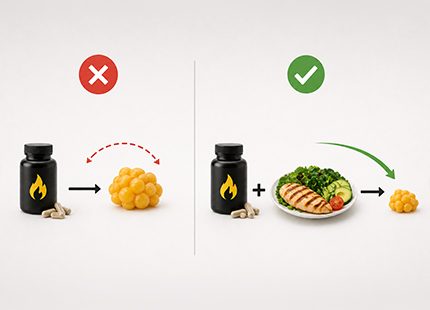
During dieting and calorie restriction, the body may lose muscle along with fat. BCAA supplements can help support muscle preservation and improve weight loss results when combined with proper nutrition and exercise.
These supplements are commonly used by athletes and individuals following fat-loss programs to help maintain strength and lean muscle mass during calorie deficits.
Table of Contents
What Are BCAAs?
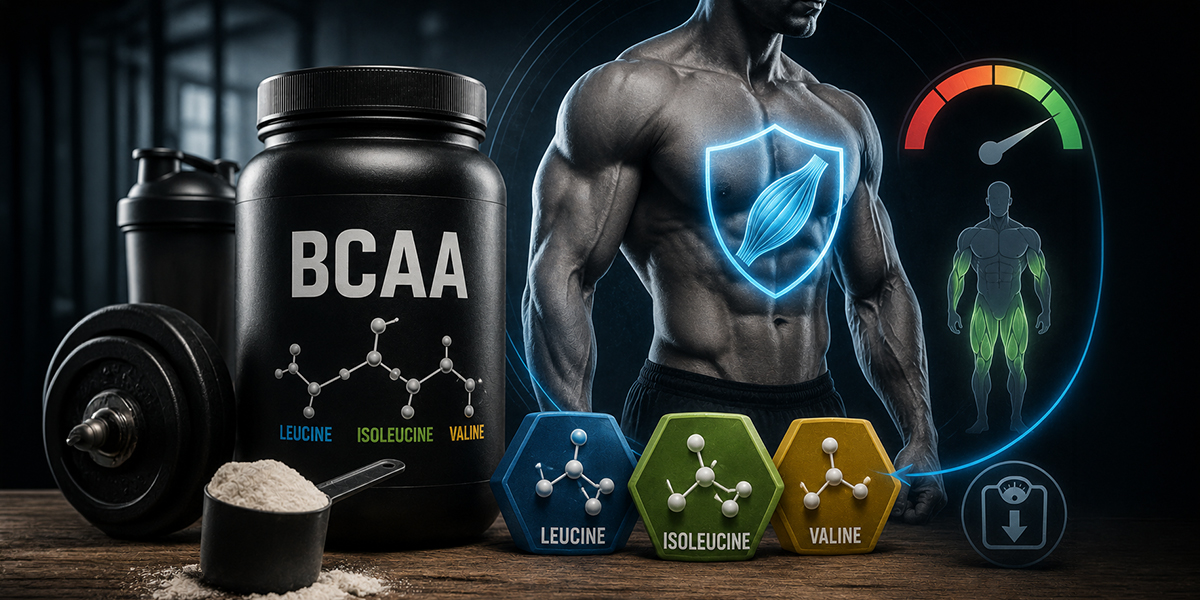
BCAA stands for Branched-Chain Amino Acids, which include:
- Leucine
- Isoleucine
- Valine
These are essential amino acids that the body cannot produce on its own, meaning they must come from food or supplements.
BCAAs play an important role in:
- Muscle repair and recovery
- Supporting muscle protein synthesis
- Maintaining lean muscle mass
- Reducing muscle breakdown during dieting
Muscle Protection During Dieting
During calorie restriction, the body may break down muscle tissue for energy if protein intake and recovery are insufficient.
BCAAs may help provide an alternative energy source for muscles during training and dieting phases.
This may help:
- Reduce muscle loss
- Support lean body mass
- Improve body composition during fat loss
- Preserve strength while dieting
Post-Workout Recovery Support
Taking BCAAs before or after workouts may help reduce muscle fatigue and support recovery.
Benefits may include:
- Reduced muscle soreness
- Improved recovery between workouts
- Better training consistency
- Support for exercise endurance during dieting
Faster recovery may help individuals maintain workout intensity while reducing calories.
Sports Performance Support
Dieting phases sometimes lead to reduced workout performance because of lower energy intake.
BCAAs may help support:
- Exercise endurance
- Training intensity
- Muscle energy during workouts
- Reduced fatigue during long training sessions
This can be especially useful during cutting phases or high-frequency training programs.
Usage and Dosage
BCAAs are commonly available in:
- Powder form
- Capsules
- Ready-to-drink formulas
They are often consumed:
- Before workouts
- During training
- After exercise
The ideal dosage varies depending on:
- Training intensity
- Body weight
- Total protein intake
- Fitness goals
Consulting a nutrition specialist can help determine the most appropriate intake.
Practical Tips
- Do not rely on BCAAs alone for muscle maintenance
- Maintain adequate daily protein intake
- Combine supplementation with resistance training
- Stay hydrated throughout the day
- Monitor body composition instead of weight alone
- Combine BCAAs with complete protein sources for better overall amino acid balance
FAQ
1. Can BCAAs help prevent muscle loss during dieting?
They may help support muscle preservation, especially when combined with adequate protein intake and strength training.
2. Are BCAAs necessary if I already consume enough protein?
People with high protein intake may already get enough BCAAs from food and protein supplements, but some individuals still use them around workouts for convenience.
3. What is the best time to take BCAAs?
They are commonly taken before, during, or after workouts depending on training preferences and nutrition timing.
4. Can BCAAs replace protein powder?
No. BCAAs contain only three amino acids, while complete protein powders provide all essential amino acids needed for muscle support.
Conclusion
BCAA supplements can be a useful tool for maintaining muscle mass during dieting and calorie restriction.
When combined with a protein-rich diet, resistance training, proper recovery, and balanced nutrition, they may help support fat loss while preserving lean muscle mass and exercise performance.
For best results, focus on overall nutrition quality and consistent training rather than relying on supplements alone.