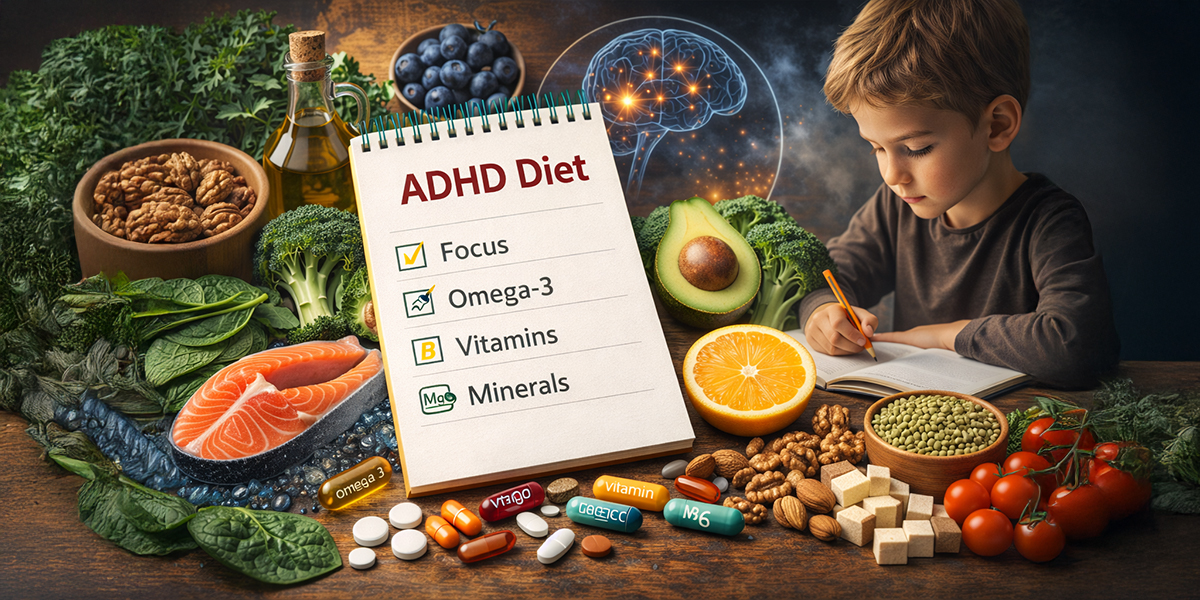


Attention Deficit Hyperactivity Disorder (ADHD) is a common neurodevelopmental condition that affects attention, behavior, and emotional regulation in both children and adults. While therapy, medication, and behavioral strategies remain essential, nutrition is increasingly recognized as a powerful supporting factor in managing symptoms.
A well-balanced diet rich in essential nutrients can help improve focus, stabilize energy levels, and support overall brain function. Many individuals also explore targeted support such as brain support supplements to complement their daily routine.
- The Role of Nutrition in ADHD
- Omega-3 Fatty Acids for Brain Function
- Protein and Neurotransmitter Support
- Complex Carbohydrates and Energy Stability
- Micronutrients and Brain Health
- Reducing Artificial Additives
- Hydration and Cognitive Performance
- Supplements for ADHD Support
- Lifestyle Integration
- FAQ
The Role of Nutrition in ADHD
Nutrition directly affects neurotransmitter activity, brain development, and energy regulation, all key factors in ADHD. Diets high in processed foods, sugar, and artificial additives may worsen symptoms such as inattention, impulsivity, and mood swings.
On the other hand, nutrient-dense foods support stable energy, better concentration, and improved cognitive performance. Supporting brain health through nutrition and products like cognitive support supplements can be part of a broader approach.
Omega-3 Fatty Acids for Brain Function
Omega-3 fatty acids, especially DHA and EPA, are essential for brain health and neurotransmitter signaling. Research suggests that individuals with ADHD may have lower omega-3 levels.
Including foods like fatty fish (salmon, sardines), flaxseeds, chia seeds, and walnuts may help improve focus, reduce impulsivity, and support overall brain function. Supplementing with omega-3 fatty acids or fish oil products can also be beneficial.
Protein and Neurotransmitter Support
Protein is essential for producing neurotransmitters such as dopamine and norepinephrine, which play a key role in attention and focus.
Sources like lean meats, eggs, dairy, legumes, and soy help maintain stable blood sugar levels, reduce hyperactivity, and support cognitive performance throughout the day. You can also consider protein supplements or protein snacks for convenience.
Complex Carbohydrates and Energy Stability
Complex carbohydrates provide a steady release of glucose to the brain, supporting sustained energy and concentration.
Whole grains, oats, brown rice, and sweet potatoes help prevent energy crashes that can worsen ADHD symptoms while supporting learning and memory. Options like oats and healthy snacks can be useful additions.
Micronutrients and Brain Health
Key nutrients such as zinc, iron, magnesium, and vitamin B6 play an important role in brain development and neurotransmitter function.
Low levels of these nutrients are often observed in individuals with ADHD. Including foods rich in these nutrients is important, and supplementation such as magnesium, zinc, and vitamin B complex may be considered when needed.
Reducing Artificial Additives
Artificial colors, preservatives, and highly processed foods may worsen hyperactivity in some individuals.
Limiting these ingredients and focusing on whole, natural foods can help improve attention and behavioral stability.
Hydration and Cognitive Performance
Hydration plays a crucial role in maintaining focus and mental clarity. Even mild dehydration can lead to fatigue, irritability, and reduced concentration.
Drinking enough water and consuming hydrating foods supports optimal brain performance.
Supplements for ADHD Support
While food should be the foundation, supplements may provide additional support when needed. Common options include:
These nutrients may help support attention, focus, and neurotransmitter balance when used appropriately.
Lifestyle Integration
Nutrition works best when combined with healthy lifestyle habits such as:
- Regular physical activity
- Structured daily routines
- Quality sleep
- Behavioral strategies
This holistic approach can significantly improve ADHD management and overall quality of life. Supporting sleep quality with options like sleep and relaxation products may also help.
FAQ
Can diet cure ADHD?
No, diet cannot cure ADHD, but it can help manage symptoms.
What foods help with ADHD?
Omega-3 rich foods, protein sources, and whole grains are beneficial.
Should sugar be avoided?
Reducing excessive sugar intake may help improve symptoms.
Are supplements necessary?
Supplements may help, but they should not replace a balanced diet.