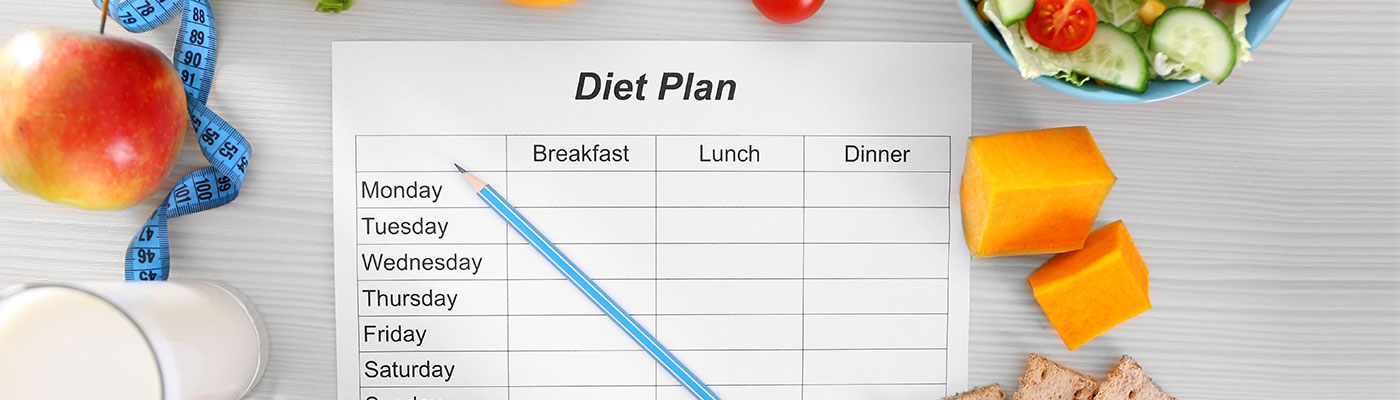


We all look for effective ways to lose weight and improve our health, which makes paying attention to our diet a fundamental step. Diet plans are an effective tool for achieving and maintaining an ideal weight. In this article, we will review a variety of diet plans and the best options to help you achieve your weight loss goals. Let’s start by understanding what diet plans are.
Weight loss and fat loss are not just aesthetic concerns; they are directly related to overall health. Excess weight can lead to serious health issues such as diabetes, heart disease, and strokes. By following a suitable diet plan, we can improve our health and achieve better balance in daily life. Choosing the right diet plays a vital role in enhancing quality of life and should be done carefully to suit individual needs.
What Is a Diet Plan?
A diet plan refers to a set of eating habits that an individual follows, including the types and quantities of foods consumed. Diet plans vary from person to person depending on body needs and personal goals. A plan that works for one person may not suit another, so understanding your body’s needs is essential before starting any diet.
Diet plans are generally divided into two main types:
Traditional Diet Plans
These include diets that have been followed for decades, such as carbohydrate-based diets or diets focused on local foods. They are characterized by balanced nutrition that meets the body’s needs, helping maintain good health. An example is the Mediterranean diet, which emphasizes fruits and vegetables.
Modern Diet Plans
Modern diets are based on new techniques and scientific research, such as the keto diet and other structured plans, aiming to achieve health benefits along with faster weight loss. These diets often promote rapid weight loss but require caution to ensure nutritional safety.
Best Types of Diets for Weight Loss
1. Keto Diet
The keto diet is a well-known diet that focuses on reducing carbohydrates and increasing fat intake. It works by putting the body into a state called ketosis, where fat becomes the primary energy source instead of carbohydrates.
Benefits:
-
Rapid weight loss
-
Improved blood sugar levels
-
Increased focus and energy
-
Reduced appetite for some individuals
Risks:
-
Nutrient deficiencies due to limited fruit and vegetable intake
-
Increased cholesterol levels in some cases
-
Fatigue and headaches at the beginning (known as “keto flu”)
2. Mediterranean Diet
The Mediterranean diet is one of the healthiest diet plans, rich in plant-based foods, healthy fats, and fish. It includes fruits, vegetables, whole grains, nuts, and olive oil while limiting red meat.
Health Benefits:
Studies show that this diet reduces the risk of heart disease, improves brain health, and supports long-term weight management.
3. Paleo Diet
The paleo diet focuses on foods consumed by early humans, such as lean meats, fish, fruits, and vegetables. It eliminates processed foods, grains, and sugars.
Benefits:
-
Weight loss
-
Improved blood sugar levels
-
Reduced inflammation
-
Better food quality and nutrient intake
4. Low-Carbohydrate Diet
This diet reduces carbohydrate intake while increasing protein and healthy fats. It includes foods such as meat, eggs, and fish, increasing satiety and reducing calorie intake.
Concerns:
Some research suggests low-carb diets may not be sustainable long-term and could lead to fiber and nutrient deficiencies if not properly planned.
5. Atkins Diet
The Atkins diet is a low-carb plan divided into phases, starting with very low carbohydrate intake and gradually increasing it.
Benefits:
-
Rapid weight loss
-
Improved blood sugar levels
-
Reduced appetite
Risks:
-
Vitamin and mineral deficiencies
-
Increased LDL cholesterol in some individuals
-
Possible kidney issues for those with pre-existing conditions
6. Plant-Based Diet
Plant-based diets focus on foods derived mainly from plants, such as vegetables, fruits, whole grains, nuts, and seeds. Some variations include dairy and eggs, while others exclude all animal products.
Benefits:
-
Improved heart health
-
Lower blood pressure
-
Reduced cancer risk
-
Better digestion due to high fiber
Risks:
-
Possible deficiencies in vitamin B12, iron, and calcium
-
Requires careful planning
7. Intermittent Fasting
Intermittent fasting involves eating during a specific time window and fasting for the remaining hours, such as the 16/8 method.
Benefits:
-
Improved insulin sensitivity
-
Enhanced metabolism
-
Supports weight loss and brain function
Risks:
-
Intense hunger
-
Not suitable for pregnant women or some medical conditions
8. DASH Diet
The DASH diet was designed to lower blood pressure and improve overall health. It emphasizes vegetables, fruits, whole grains, lean proteins, and low-fat dairy.
Benefits:
-
Lower blood pressure
-
Reduced risk of heart disease and stroke
-
Improved cholesterol levels
Challenges:
-
Requires significant dietary changes
-
Needs careful meal planning
Weight Loss Strategies
Setting Goals
Clear and realistic goals are essential. Aim for losing 0.5–1 kg per week and track progress regularly using journals or apps.
Physical Activity
Exercise such as walking, running, or yoga plays a crucial role in weight loss. Choose activities you enjoy to stay consistent.
Stress Management
Stress affects weight in multiple ways. Meditation and relaxation techniques help reduce emotional eating.
Tips for a Sustainable Diet
-
Choose a diet that fits your lifestyle and preferences
-
Maintain balance and moderation
-
Plan weekly meals
-
Eat plenty of fruits and vegetables
-
Prepare meals at home to control ingredients and calories
Conclusion
Searching for the “best diet for weight loss” is not just about reaching a certain number on the scale, but about improving overall health and well-being. Small, consistent lifestyle changes can lead to long-term results. Take care of your health—it is your most valuable asset.
FAQ
What is the best diet for fast weight loss?
The best diet depends on your lifestyle and needs. Keto and intermittent fasting are often effective for rapid weight loss, but consulting a nutritionist is essential to ensure safety.