

Turmeric Benefits: The Science Behind Curcumin for Joint, Brain, Heart & Immune Health
Introduction
Could one natural ingredient support your joints, brain, heart, immune system, and healthy aging all at once? Turmeric, often called the "Golden Spice," has become a global wellness favorite thanks to its active compound, curcumin. Backed by hundreds of scientific studies, turmeric is widely used to help maintain a healthy inflammatory response, protect against oxidative stress, and support overall vitality.Whether you're looking for better mobility, cognitive support, immune wellness, or daily antioxidant protection, discover why turmeric supplements are among the most popular natural health products available today.
Table of Contents
What Is Turmeric?
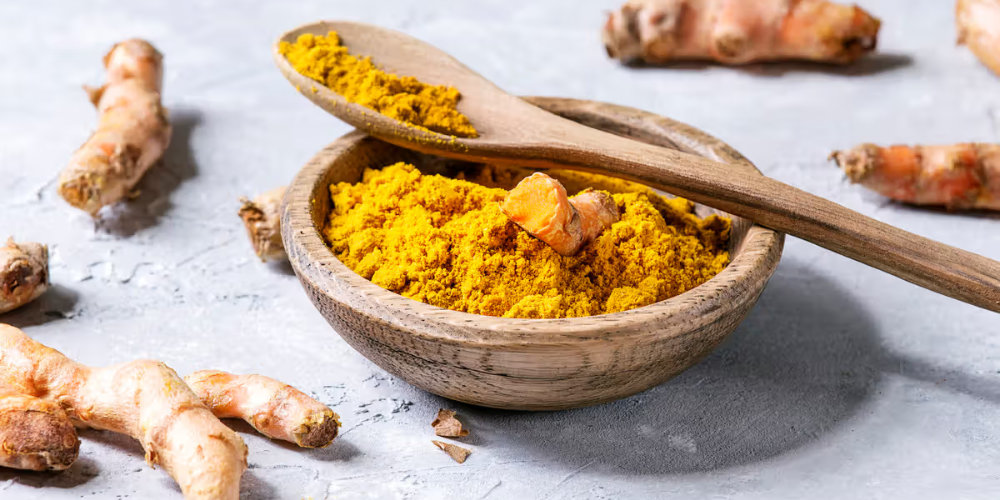
Turmeric (Curcuma longa) is a golden-yellow spice derived from the root of a flowering plant in the ginger family.
For thousands of years, turmeric has been a cornerstone of Ayurvedic and traditional wellness practices, valued for its ability to support overall health and vitality.
Today, turmeric is one of the most researched botanical ingredients in the world. Scientists have identified hundreds of bioactive compounds within turmeric, with curcumin being the most studied and therapeutically important.
Modern research suggests that turmeric may help support healthy inflammatory responses, antioxidant protection, joint comfort, cardiovascular wellness, cognitive performance, digestive function, and immune health.
Turmeric vs. Curcumin
Many people use the terms turmeric and curcumin interchangeably, but they are not the same.
Turmeric is the whole root or spice.
Curcumin is the primary active compound found inside turmeric and is responsible for many of its health-promoting effects.
The challenge is that turmeric naturally contains only about 2–8% of curcuminoids. This is why many high-quality turmeric supplements use concentrated extracts, phytosome technology, or black pepper extracts to improve absorption and effectiveness.
How Turmeric Works in the Body?
One reason turmeric attracts so much scientific interest is its ability to influence multiple biological pathways simultaneously.
Research suggests curcumin may help:
Support healthy inflammatory balance
Neutralize free radicals
Protect cells from oxidative stress
Support healthy immune responses
Promote normal circulation
Help maintain healthy brain signaling pathways
Support healthy aging
Curcumin has been shown to interact with several cellular pathways including NF-κB, COX-2, Nrf2, and various inflammatory mediators associated with chronic inflammation and oxidative damage.
Top Science-Backed Benefits of Turmeric
1. Joint Health and Mobility
Joint discomfort is one of the most common reasons people turn to turmeric supplements.
Scientific studies suggest curcumin may help reduce inflammatory markers that contribute to stiffness and reduced mobility. Many clinical trials have demonstrated improvements in physical function and comfort in individuals experiencing age-related joint concerns.
This makes turmeric one of the most popular natural supplements for:
Joint flexibility
Cartilage support
Active lifestyles
Exercise recovery
Healthy aging
2. Brain Function and Memory
The brain is highly vulnerable to oxidative stress and inflammation.
Emerging research suggests curcumin may support:
Memory performance
Mental clarity
Cognitive function
Healthy aging of brain cells
Researchers are particularly interested in curcumin's ability to support normal protein regulation and protect neurons from oxidative damage.
3. Heart Health
Heart health depends on healthy circulation, blood vessel function, and balanced inflammation.
Research indicates turmeric may help support:
Healthy endothelial function
Normal blood flow
Antioxidant protection
Healthy cholesterol management when combined with a healthy lifestyle
Because cardiovascular wellness is closely linked to inflammation and oxidative stress, turmeric is increasingly included in heart-support protocols.
4. Immune Support
A balanced immune system helps the body respond appropriately to everyday environmental challenges.
Curcumin may support:
Healthy immune signaling
Antioxidant defenses
Cellular protection
Overall wellness during seasonal changes
Its dual antioxidant and inflammation-supporting properties make turmeric a valuable addition to daily wellness routines.
5. Digestive Health
Turmeric has traditionally been used to support digestion.
Modern research suggests it may help support:
Healthy bile production
Digestive comfort
Gut barrier integrity
Healthy intestinal function
Many people use turmeric as part of a digestive wellness program because of its long history of traditional use.
6. Skin Health & Aging
Skin health is influenced by inflammation, oxidative stress, UV exposure, and collagen degradation.
Curcumin's antioxidant activity may help:
Protect skin cells
Support collagen preservation
Promote a more even skin appearance
Support healthy aging
This is one reason turmeric is increasingly found in both dietary supplements and skincare products.
7. Exercise Recovery
Athletes and active individuals frequently use turmeric supplements to support recovery.
Research suggests curcumin may help:
Reduce exercise-induced oxidative stress
Support muscle recovery
Maintain flexibility after intense training
Promote faster recovery between workouts
8. Liver Support
The liver plays a central role in detoxification and metabolic health.
Studies suggest turmeric may help support:
Antioxidant defenses in liver cells
Healthy liver enzyme activity
Protection against oxidative stress
Many liver-support formulas combine turmeric with ingredients such as milk thistle for comprehensive support.
Why Absorption Matters?
One of the biggest challenges with turmeric supplementation is absorption.
Curcumin is naturally difficult for the body to absorb.
For this reason, premium supplements often include:
Black Pepper Extract (Piperine)
Piperine can significantly enhance curcumin absorption.
Phytosome Technology
Phytosome formulations bind curcumin to phospholipids, improving bioavailability.
Meriva® Curcumin
Meriva® is a clinically studied phytosome form that provides enhanced absorption and has been extensively researched for joint support.
Recommended Dosage
Typical daily doses range between:
500 mg – 1,000 mg for general wellness
1,000 mg – 2,000 mg for advanced support
Follow product-specific directions
Taking turmeric with food containing healthy fats may improve absorption.
Potential Side Effects and Drug Interactions
Turmeric is generally well tolerated when used as directed.
Consult a healthcare professional before use if you:
Take blood-thinning medications
Use diabetes medications
Are pregnant or breastfeeding
Have gallbladder disorders
Are preparing for surgery
Possible side effects may include:
Mild digestive discomfort
Nausea
Stomach upset
Loose stools at high doses
Recommended Turmeric Products
Best Organic Turmeric
Best for Joint Support
- Source Naturals Turmeric with Meriva, 500 mg, 60 Tablets
- Solaray Prosorb Turmeric Phytosome, 500 mg, 30 Veggie Capsules
- Natural Factors Turmeric & Bromelain, 450 mg, 90 Capsules
Best High-Strength Turmeric
Best with Black Pepper
Best Standardized Extract
- Solgar Standardized Turmeric Root Extract, 60 Vegetable Capsules
- Planetary Herbals Turmeric Extract Full Spectrum, 450 mg, 60 Tablets
Best Advanced Curcumin Formula
Best for Liver Support
FAQ
1. What is turmeric good for?
Turmeric is commonly used to support joint health, healthy inflammatory responses, immune function, cardiovascular wellness, cognitive health, digestion, and antioxidant protection.
2. Is turmeric the same as curcumin?
No. turmeric is the whole root, while curcumin is the primary active compound responsible for most of its health benefits.
3. When is the best time to take turmeric?
Turmeric is best taken with meals, especially those containing healthy fats, to support better absorption.
4. Does turmeric help with joint discomfort?
Research suggests curcumin may help support joint comfort, flexibility, and mobility by maintaining a healthy inflammatory response.
5. Why do some turmeric supplements contain black pepper?
Black pepper contains piperine, which helps enhance curcumin absorption and increases its bioavailability in the body.
Conclusion
Turmeric has earned its reputation as one of the world's most valuable wellness ingredients. Backed by centuries of traditional use and a growing body of modern scientific research, turmeric offers broad support for joint health, cognitive function, cardiovascular wellness, immune balance, digestion, skin health, and healthy aging.
Whether you are looking for daily antioxidant protection, advanced joint support, or a high-absorption curcumin formula, choosing a quality turmeric supplement can be a smart addition to a comprehensive wellness routine. From organic turmeric tablets and black pepper-enhanced capsules to advanced phytosome and Meriva® formulations, today's turmeric supplements offer targeted solutions for a wide range of health goals.