

Iron is an essential mineral that supports oxygen transport, energy production, physical performance, and overall metabolic health.
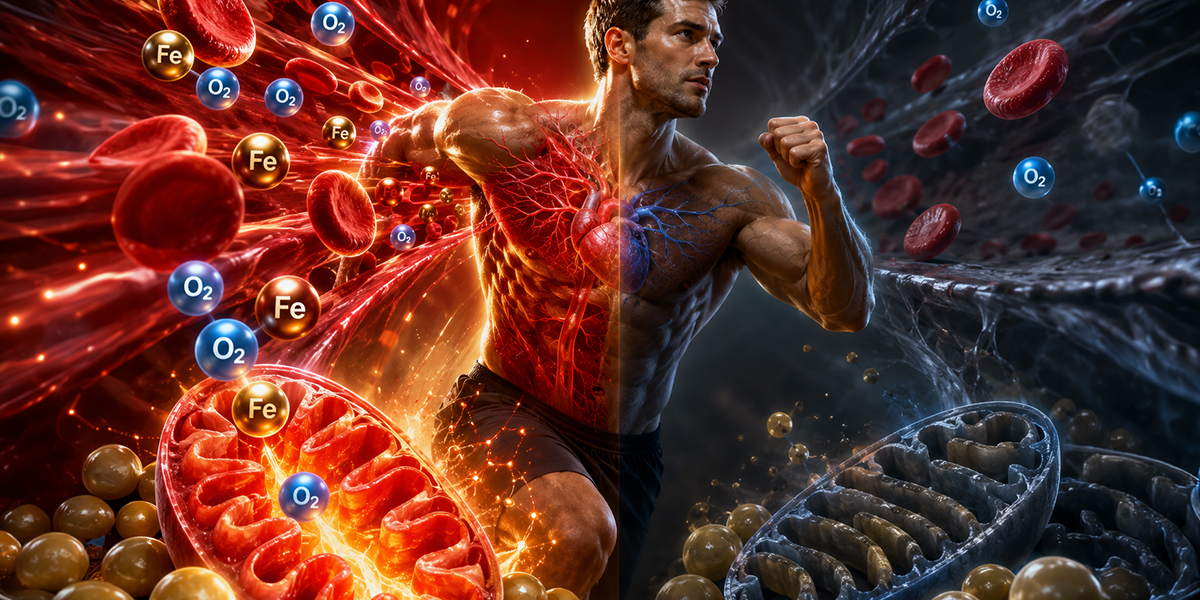
When the body does not have enough iron, oxygen delivery to muscles and tissues may decline, which can affect endurance, workout performance, and the body’s ability to use fat efficiently as fuel during physical activity.
Table of Contents
Why Iron Matters for Fat Burning
Fat burning is not only about calorie balance. The body also needs oxygen, healthy mitochondria, proper nutrition, and efficient energy metabolism to use fat as fuel.
Iron plays a central role in this process because it helps transport oxygen through the blood and supports energy-producing systems inside cells.
During exercise, muscles need more oxygen to produce energy. If iron levels are low, the body may struggle to deliver enough oxygen, which may reduce endurance and make workouts feel harder.
Iron and Oxygen Transport
Iron is a key component of hemoglobin, the protein in red blood cells that carries oxygen from the lungs to the rest of the body.
It is also found in myoglobin, a protein that helps store and deliver oxygen inside muscle tissue.
When iron status is adequate, oxygen delivery to working muscles is better supported, allowing the body to perform exercise more efficiently and use fuel sources, including fat, more effectively.
| Iron-Related Component | Main Function | Why It Matters for Fat Burning |
|---|---|---|
| Hemoglobin | Carries oxygen in the blood | Supports oxygen delivery during exercise |
| Myoglobin | Stores oxygen in muscles | Helps muscles work efficiently during activity |
| Red Blood Cells | Transport oxygen throughout the body | Supports endurance and workout capacity |
| Oxygen Delivery | Feeds energy pathways inside cells | Helps the body use fat as fuel more efficiently |
Iron and Energy Metabolism
Iron also supports energy metabolism inside the mitochondria, which are the energy-producing structures inside cells.
Mitochondria use oxygen to help convert nutrients, including fatty acids, into usable energy. This process is especially important during aerobic exercise and endurance activity.
When iron levels are low, oxygen transport and mitochondrial energy production may become less efficient. This can make fat utilization more difficult during exercise and may contribute to fatigue or reduced performance.
| Metabolic Area | Role of Iron | Possible Benefit |
|---|---|---|
| Mitochondrial Function | Supports energy-producing enzymes | Helps cells generate usable energy |
| Fat Oxidation | Requires oxygen-supported energy pathways | Supports efficient use of fat as fuel |
| Aerobic Exercise | Depends on oxygen delivery | Supports endurance and stamina |
| Metabolic Efficiency | Helps cells convert nutrients into energy | May improve training output and recovery |
Iron Deficiency and Exercise Performance
Iron deficiency may reduce the body’s ability to transport oxygen efficiently, which can directly affect training performance and exercise tolerance.
Common signs may include fatigue, weakness, shortness of breath during activity, reduced endurance, dizziness, poor recovery, muscle heaviness, or slower physical response during workouts.
When exercise quality drops, the total amount of energy burned during training may also decrease, which can make fat loss more challenging over time.
| Possible Sign | How It May Affect Training | Impact on Fat Loss Efforts |
|---|---|---|
| Fatigue | Lower workout intensity | Reduced calorie expenditure |
| Reduced Endurance | Shorter or less effective sessions | Less aerobic fat utilization |
| Muscle Heaviness | Exercise feels harder than usual | Lower consistency and performance |
| Poor Recovery | Harder to train regularly | Slower progress over time |
Iron Sources and Supplement Support
Iron can be obtained from both animal and plant foods. Animal sources provide heme iron, which is generally absorbed more efficiently, while plant sources provide non-heme iron, which is more affected by meal composition.
Good dietary sources include red meat, poultry, fish, eggs, legumes, lentils, beans, spinach, pumpkin seeds, and fortified grains.
In cases of confirmed deficiency, iron supplements may be recommended to restore iron stores. The dose and duration should be monitored to avoid side effects and prevent excessive iron intake.
| Iron Source | Iron Type | Absorption Note |
|---|---|---|
| Red Meat | Heme Iron | Usually absorbed efficiently |
| Poultry and Fish | Heme Iron | Supports iron intake and protein needs |
| Legumes and Lentils | Non-Heme Iron | Absorption improves with vitamin C |
| Iron Supplements | Varies by form | Best used when deficiency is confirmed |
How to Support Iron Status Safely
Supporting iron status requires a balance between intake, absorption, medical monitoring, and proper meal timing.
For people with low ferritin or iron deficiency symptoms, improving absorption can be just as important as increasing iron intake.
Combining iron-rich foods with vitamin C, separating iron from calcium, coffee, and tea, and choosing the right supplement form when needed can all help improve results.
- Include iron-rich foods regularly, especially if training intensely.
- Combine plant-based iron with vitamin C-rich foods such as citrus, kiwi, berries, or bell peppers.
- Avoid taking iron supplements with coffee, tea, or calcium-rich foods.
- Check ferritin and hemoglobin if fatigue or poor performance persists.
- Use iron supplements only when deficiency is confirmed or professionally recommended.
- Monitor dosage carefully to avoid constipation, nausea, or excess iron intake.
Frequently Asked Questions
Why is iron important for fat burning?
Iron helps carry oxygen to muscles and supports mitochondrial energy production, both of which are important for using fat as fuel during physical activity.
Can low iron make fat loss harder?
Low iron may reduce endurance, energy, and exercise performance, which can make it harder to train effectively and maintain consistent fat loss efforts.
Does iron directly burn fat?
Iron does not directly burn fat, but it supports oxygen transport and energy metabolism, which are necessary for efficient fat use during exercise.
What are the best food sources of iron?
Good sources include red meat, poultry, fish, eggs, lentils, beans, spinach, pumpkin seeds, and fortified grains.
Should athletes take iron supplements?
Only when needed. Athletes should check iron markers before supplementing, because both deficiency and excess iron can affect health and performance.
Conclusion
Iron is essential for oxygen transport, mitochondrial energy production, endurance, and efficient fuel use during physical activity.
Maintaining adequate iron levels can help support workout performance, stamina, and the body’s ability to use fat effectively as part of an active lifestyle. However, iron supplementation should be guided by blood tests and professional advice to ensure safe and effective support.