

Saffron is one of the world’s most prized spices, valued not only for its distinctive flavor and golden color but also for its potential health benefits. Derived from the flower of Crocus sativus, saffron contains naturally occurring compounds such as crocin, crocetin, and safranal that have attracted growing scientific interest.
Research has explored saffron for a range of potential benefits, including mood support, healthy sleep, eye health, women’s wellness, and antioxidant protection. While saffron is not a cure or replacement for medical treatment, its unique combination of bioactive compounds makes it an interesting botanical for people looking to support overall wellness.
Table of Contents
- What Is Saffron?
- How Does Saffron Work in the Body?
- 1. May Support Mood and Emotional Well-Being
- 2. May Support Healthy Sleep
- 3. Supports Eye Health and Vision
- 4. May Support Women’s Health and PMS
- 5. Provides Antioxidant and Cellular Support
- How to Take Saffron Supplements
- Are Saffron Supplements Safe?
- Recommended Saffron & Wellness Supplements
- FAQ
- Conclusion
What Is Saffron?
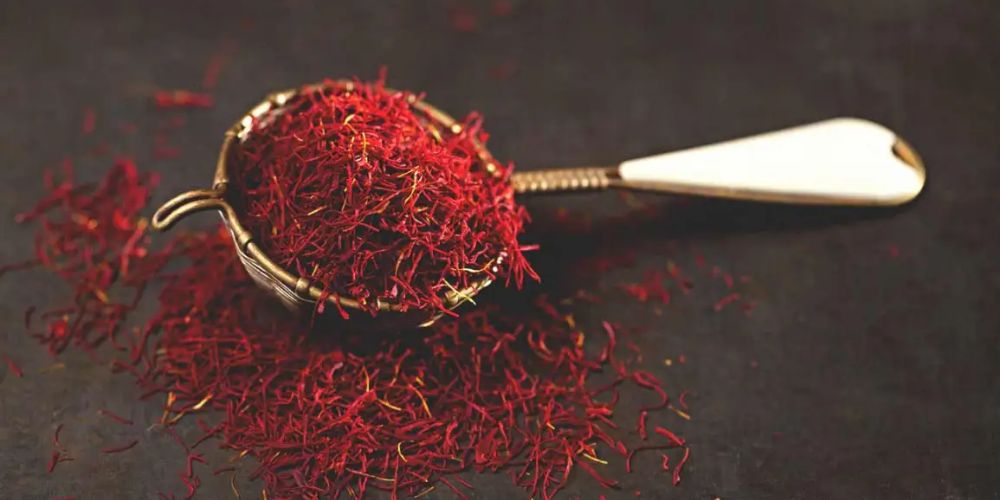
Saffron is a spice obtained from the delicate red stigmas of the Crocus sativus flower. Because each flower produces only a few stigmas, saffron is one of the most valuable culinary spices. Beyond its traditional use in cooking, saffron has a long history of use in traditional wellness practices.
Its main bioactive compounds include crocin, crocetin, and safranal. These compounds are being studied for their antioxidant activity and potential effects on several biological pathways associated with mood, cellular health, and overall well-being.
How Does Saffron Work in the Body?
Saffron contains naturally occurring compounds that may influence different processes in the body. Researchers are particularly interested in its antioxidant properties and its potential effects on pathways involved in neurotransmitter activity, inflammation, and cellular protection.
These mechanisms may help explain why saffron is being investigated for areas such as emotional well-being, sleep, eye health, and women’s health. However, research is still developing, and the effects can vary depending on the saffron preparation, concentration, and individual factors.
1. May Support Mood and Emotional Well-Being
Saffron has gained attention for its potential role in supporting mood and emotional well-being. Research suggests that compounds found in saffron may influence pathways involved in neurotransmitter activity, which may help explain its interest in mood-related wellness.
Some clinical studies have reported promising findings, but more research is needed to determine how consistently saffron may benefit mood. It should be viewed as a potential wellness support rather than a replacement for professional care when treating depression or other mental health conditions.
2. May Support Healthy Sleep
Quality sleep is essential for physical recovery, mental performance, and overall well-being. Saffron is being studied for its potential ability to support healthy sleep patterns and promote a more balanced nighttime routine.
Its potential effects on mood and relaxation may also contribute to better sleep quality for some people. However, saffron should not be considered a treatment for chronic insomnia, and persistent sleep problems should be discussed with a healthcare professional.
3. Supports Eye Health and Vision
Saffron contains carotenoid compounds such as crocin and crocetin, which have antioxidant properties. Researchers are investigating whether these compounds may help support retinal health and protect cells from oxidative stress.
Early research has generated interest in saffron as a potential nutritional addition to an eye-health-focused lifestyle. However, more human research is needed before specific benefits for vision or age-related eye conditions can be confirmed.
4. May Support Women’s Health and PMS
Saffron has also been studied for its potential role in women’s wellness, particularly around menstrual health and premenstrual symptoms. Some research suggests that saffron may help support emotional well-being and comfort during the premenstrual period.
These findings are promising, but saffron should not be considered a treatment for hormonal disorders or severe menstrual symptoms. Women experiencing persistent or significant symptoms should seek appropriate medical advice.
5. Provides Antioxidant and Cellular Support
One of the most notable characteristics of saffron is its concentration of naturally occurring antioxidant compounds. Crocin, crocetin, and safranal may help the body manage oxidative stress by supporting the protection of cells from free-radical damage.
By supporting normal cellular protection, saffron may contribute to broader wellness as part of a nutrient-rich diet and healthy lifestyle. Its antioxidant activity is one of the key reasons saffron continues to attract scientific interest.
How to Take Saffron Supplements
Saffron supplements are available in different forms, including standardized extracts and capsules. Because the concentration of active compounds can vary between products, there is no single serving size that applies to every saffron supplement. Follow the serving instructions provided on the product label and avoid exceeding the recommended amount.
Saffron can be incorporated into a broader wellness routine alongside a balanced diet, regular physical activity, quality sleep, and other healthy habits. When choosing a supplement, consider the saffron extract used, serving size, product quality, and the intended purpose of the formula.
Are Saffron Supplements Safe?
Saffron has a long history of culinary use, but concentrated supplements provide higher amounts than those typically consumed as a spice. For this reason, individual health factors and product dosage should be considered before supplementation.
If you are pregnant or breastfeeding, taking prescription medications, managing a medical condition, or preparing for a medical procedure, speak with a qualified healthcare professional before using a saffron supplement. Choosing products from reputable sources and following the recommended serving size is also important.
Recommended Saffron & Wellness Supplements
Saffron can be one option for people looking to support mood, sleep, antioxidant protection, and overall wellness. When selecting a saffron supplement, look for a clearly labeled product with a defined serving size and information about its saffron extract or active ingredients.
Explore the Saffron selection at Dr Nutrition to discover available saffron supplements and wellness products.
FAQ
1. What are the main health benefits of saffron?
Saffron is being studied for several potential benefits, including mood support, healthy sleep, eye health, women’s wellness, and antioxidant protection. Research is promising in some areas but continues to develop.
2. Can saffron support mood?
Research suggests that saffron may support mood and emotional well-being, potentially through its effects on pathways involved in neurotransmitter activity. However, it should not replace professional treatment for depression or other mental health conditions.
3. Is saffron good for sleep?
Saffron is being investigated for its potential role in supporting healthy sleep patterns and nighttime well-being. More research is needed to establish its effects on sleep quality and duration.
4. Does saffron support eye health?
Saffron contains antioxidant compounds such as crocin and crocetin that are being studied for their potential role in supporting retinal and visual health. However, further human research is needed.
5. Can women take saffron supplements?
Saffron is being studied for its potential role in women’s wellness and premenstrual symptoms. However, pregnant or breastfeeding women should consult a healthcare professional before using concentrated saffron supplements.
Conclusion
Saffron is more than a prized culinary spice. Its naturally occurring compounds, including crocin, crocetin, and safranal, have attracted scientific interest for their potential role in mood, sleep, eye health, women’s wellness, and antioxidant protection.
While research continues to uncover the health benefits of saffron, it is best viewed as a complementary part of a healthy lifestyle rather than a treatment or quick solution. A balanced diet, regular exercise, quality sleep, and appropriate medical care remain the foundation of long-term wellness. When suitable, a well-chosen saffron supplement may complement these habits as part of a broader approach to everyday health.