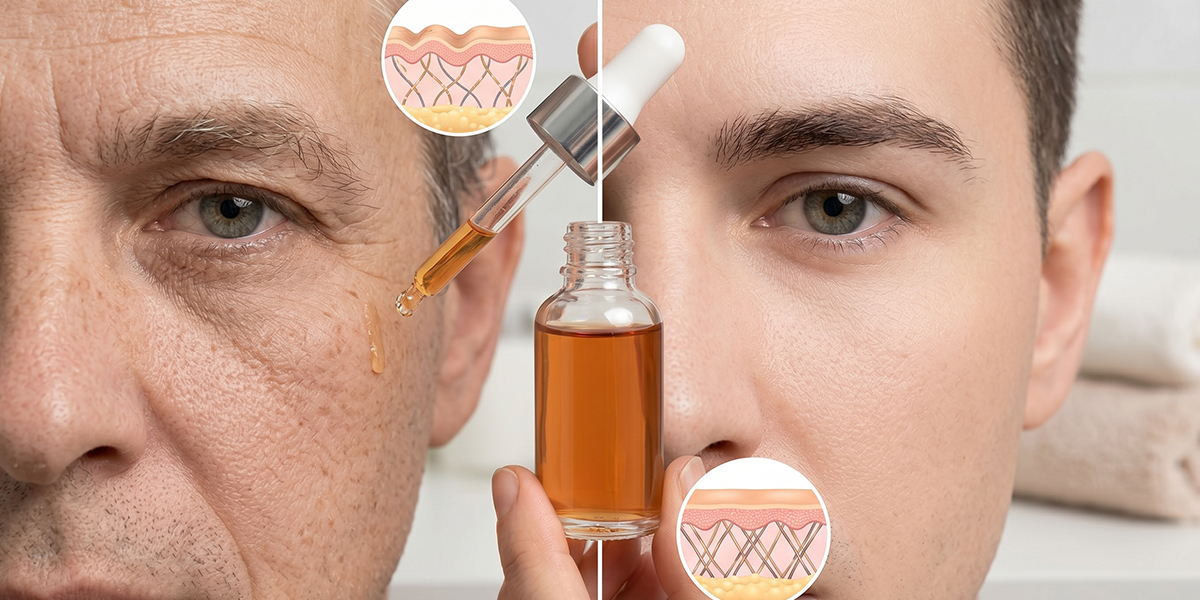


As we age, collagen production slows and cell turnover decreases. This leads to fine lines, uneven texture, dullness, and a gradual loss of firmness. Retinol, a derivative of vitamin A, is one of the most studied and recommended anti-aging ingredients in modern skincare.
When used correctly, retinol can help smooth wrinkles, improve skin texture, and support more radiant-looking skin over time. Choosing the right formula from categories such as serum, moisturizer, face care, sun screen, and beauty care can make a major difference in both comfort and results.
What Is Retinol and How It Works
Retinol is a form of vitamin A that penetrates the skin and helps accelerate cell turnover while supporting collagen production. Because of this, it is considered one of the most effective ingredients for improving visible signs of aging and texture-related concerns.
Key points to understand:
- Retinol is converted into retinoic acid inside the skin, which is the active form responsible for renewal.
- Retinal or retinaldehyde is usually stronger and may work faster than traditional retinol.
- Retinoid-based products may help improve texture, reduce fine lines, soften dark spots, and smooth the appearance of wrinkles.
Because it is a powerful active ingredient, retinol is commonly found in targeted serums and specialized face care products designed to improve skin clarity and visible aging signs over time.
Benefits of Retinol for Aging Skin
Using retinol consistently can offer multiple anti-aging benefits, especially when it is introduced gradually and supported with hydration and daily sun protection.
- Helps reduce the appearance of fine lines and wrinkles
- Improves skin texture and visible firmness
- Helps even skin tone and reduce the look of pigmentation
- Supports collagen and elastin production
- Enhances overall radiance and skin smoothness
Because of its versatility, retinol fits well into a routine that includes a gentle cleanser, a supportive moisturizer, and daily sun screen for ongoing skin protection.
Choosing the Right Retinol Product for Your Skin Type
The best retinol product depends on your experience level, skin sensitivity, and preferred texture. Choosing the wrong strength too quickly may lead to dryness or irritation, so matching the formula to your skin is essential.
1. Consider Experience Level
- Beginner: 0.1% to 0.3%
- Intermediate: 0.5%
- Advanced: 1%
2. Consider Skin Sensitivity
- Sensitive skin: choose squalane-based or oil-based formulas that feel gentler on the skin
- Dry skin: look for retinol combined with vitamin E, ceramides, or richer moisturizer support
- Oily skin: lightweight serums or gel-textured products are often more comfortable
3. Check Packaging and Stability
Dark, opaque bottles and airless pumps help protect retinol from light and air exposure, which is important because retinol can become less effective when poorly stored.
Exploring retinol through well-formulated serum and beauty care products can make long-term use easier and more comfortable.
How to Use Retinol for Aging Skin Safely
Retinol works best when introduced slowly and used consistently. It does not need to be used every night from the beginning in order to be effective.
Step-by-step routine:
- Cleanse the face thoroughly with a gentle cleanser
- Apply toner if you use one
- Use retinol two to three times per week to start
- Follow with a moisturizer
- Always apply sunscreen in the morning
Helpful tips:
- Start slowly and gradually increase frequency if your skin tolerates it well
- Pair retinol with hydrating ingredients such as hyaluronic acid
- Avoid mixing it with exfoliating acids on the same night
- Watch for dryness, flaking, or irritation and adjust as needed
Common Retinol Mistakes to Avoid
Many people struggle with retinol not because the ingredient does not work, but because it is used too aggressively or without the right support products.
- Using it every night from day one
- Skipping daily sun screen
- Mixing it with strong exfoliating acids
- Ignoring signs of dryness or irritation
- Not using enough hydration or a proper moisturizer
A balanced routine built around gentle cleansing, barrier support, and gradual introduction is usually far more effective than pushing retinol too hard too early.
Best Retinol Skincare Products
Below are some retinol product types and examples that may suit different skin needs and experience levels.
1. Vichy Liftactiv Retinol Specialist Serum, 30ml
Best for: all skin types, especially first-time retinol users
Why: includes soothing support to help reduce irritation
Benefits: helps smooth wrinkles and improve texture and tone
2. The Ordinary Retinol 1% in Squalane Solution, 30ml
Best for: experienced retinol users
Why: higher concentration for deeper wrinkles and more visible texture concerns
Ideal for: stronger anti-aging support
3. Beauty of Joseon Serum Ginseng + Retinal, 30ml
Best for: aging skin, dullness, and elasticity support
Why: combines retinal with antioxidant-rich ingredients
Great for: firmness and radiance
4. Some By Mi Retinol Intense Reactivating Serum, 30ml
Best for: combination to normal skin
Why: offers balanced potency with hydration support
Great for: beginners and smoother-looking skin
5. Cosrx The Retinol 0.5 Oil Vitamin E + Squalane, 20ml
Best for: dry or sensitive skin
Why: uses a gentler oil base supported by vitamin E
Perfect for: anti-aging support with reduced irritation risk
For similar options, you can browse the serum, moisturizer, and face care categories depending on your skin type and routine preferences.
FAQ – Retinol Questions Answered
How soon does retinol start working?
Visible improvements in texture and fine lines often begin to appear after four to six weeks, with stronger results usually becoming more noticeable around 12 weeks.
Can retinol cause dryness?
Yes. Mild dryness, redness, or peeling can happen at first, which is why it is important to start slowly and use a supportive moisturizer.
Should retinol be used in the morning or at night?
Retinol should be applied at night because sunlight can reduce its stability and effectiveness.
Can I use retinol with other active ingredients?
It is best to avoid combining retinol with strong AHAs or BHAs on the same night. Pairing it with hydrating products such as hyaluronic acid is usually safe and helpful.
Is retinol safe for sensitive skin?
Yes, in many cases. Lower concentrations or oil-based formulas can be more comfortable, especially when introduced gradually.
Conclusion
Retinol is one of the most effective anti-aging skincare ingredients for smoother, clearer, and more youthful-looking skin. When the right formula is chosen for your skin type and introduced gradually, it can help improve wrinkles, texture, tone, and overall skin quality.
The best results usually come from combining retinol with a gentle cleanser, a supportive moisturizer, daily sun screen, and carefully chosen face care products that support hydration and barrier health.
References
- American Academy of Dermatology – Anti-aging skincare guidance
- Mayo Clinic – Skin aging and retinoid info
- Cleveland Clinic – Retinol benefit overview
This article is for informational purposes only and does not replace professional medical advice. Results may vary from person to person. Consult a dermatologist if you have sensitive skin or skin conditions before using retinol.