

A strong immune system relies on a combination of balanced nutrition, regular physical activity, quality sleep, and healthy lifestyle habits. Among the many naturally occurring plant compounds studied for their health-promoting properties, quercetin has become one of the most researched due to its powerful antioxidant activity and its potential role in supporting normal immune function.
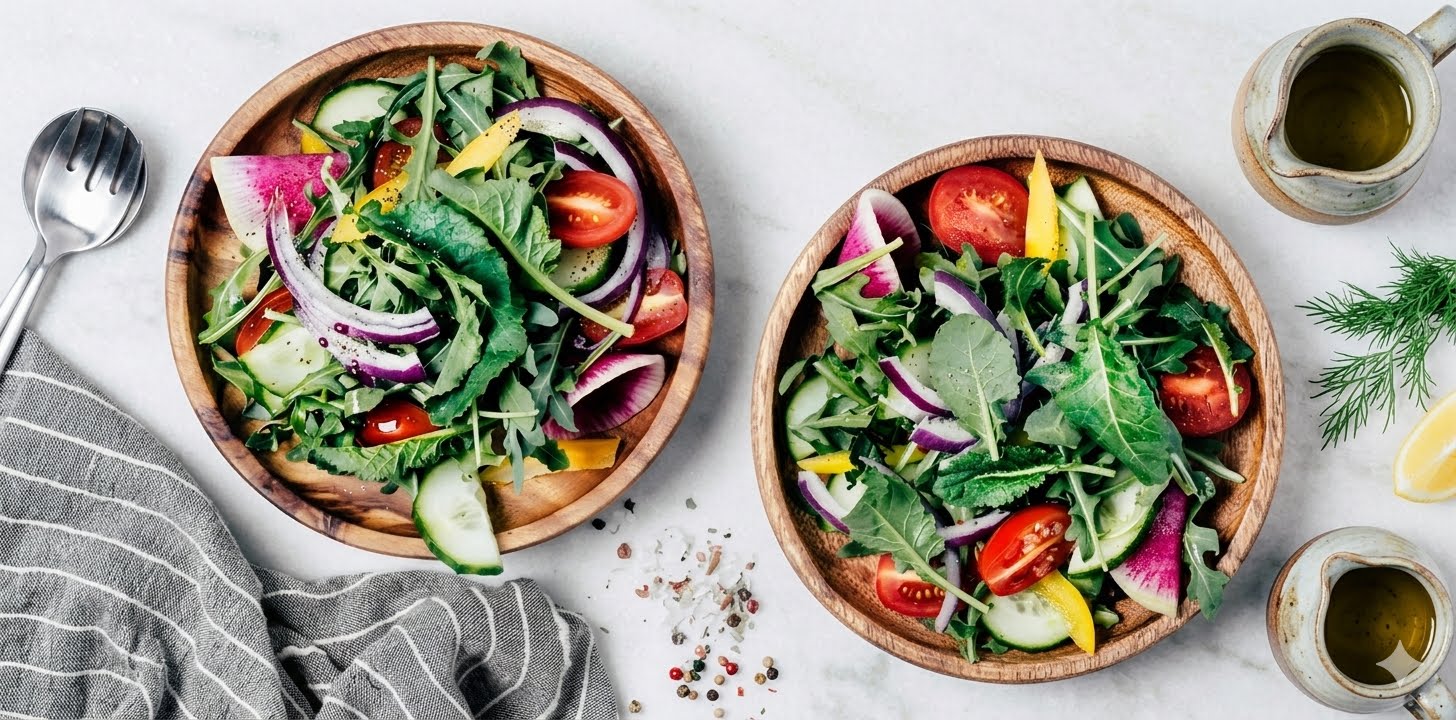
Quercetin is a naturally occurring flavonoid found in a wide variety of fruits, vegetables, herbs, and teas, including onions, apples, berries, grapes, kale, broccoli, and green tea. In plants, quercetin helps protect against environmental stress. When consumed as part of a balanced diet or through dietary supplements, it provides antioxidant compounds that help protect the body's cells from oxidative stress caused by free radicals.
Modern research suggests that quercetin may support several aspects of overall health, including healthy immune responses, cardiovascular function, healthy inflammatory balance, and cellular protection. Scientists are also investigating its potential role in supporting seasonal wellness and promoting healthy aging. Although evidence continues to grow, quercetin should be viewed as a nutritional supplement that complements a healthy lifestyle rather than a treatment or cure for medical conditions.
In this guide, you'll discover how quercetin works, the science behind its immune and health benefits, practical tips for choosing and using a high-quality supplement, important safety considerations, and answers to some of the most frequently asked questions.
Table of Contents
What Is Quercetin?
Quercetin is a naturally occurring plant pigment that belongs to a group of compounds called flavonoids. It is one of the most abundant antioxidants found in the human diet and is naturally present in colorful fruits, vegetables, herbs, and teas. Quercetin helps plants defend themselves against environmental stress, and in humans, it has been widely studied for its antioxidant, immune-supporting, and health-promoting properties.
Although many people obtain quercetin through food, dietary supplements provide a concentrated source for individuals looking to support their daily wellness routine. Quercetin is commonly available in capsules and tablets and is often combined with nutrients such as vitamin C or bromelain in comprehensive immune support formulas.
How Does Quercetin Work?
Quercetin supports health through several natural biological mechanisms, with its most well-known role being its powerful antioxidant activity. Every day, the body produces free radicals during normal metabolism and is exposed to additional oxidative stress from pollution, ultraviolet (UV) radiation, smoking, and other environmental factors. When free radicals accumulate, they can damage healthy cells and contribute to cellular aging. Quercetin helps neutralize these unstable molecules, supporting the body's natural antioxidant defenses.
Researchers have also studied quercetin for its ability to support the body's normal inflammatory response. Rather than blocking inflammation completely, quercetin appears to help maintain a healthy balance in the body's natural immune processes, which is essential for overall wellness and tissue health.
Another area of growing interest is quercetin's potential role in supporting immune cell function. Laboratory and clinical research suggests that quercetin may help maintain the normal activity of certain immune cells while supporting healthy immune responses to everyday environmental challenges. Scientists are also investigating its ability to help stabilize mast cells, which play a role in seasonal immune responses and histamine release.
Beyond immune health, quercetin may contribute to healthy cardiovascular function by helping protect blood vessels from oxidative stress and supporting normal circulation. Ongoing research is also exploring its potential benefits for exercise recovery, cognitive health, and healthy aging.
Although current evidence is encouraging, individual responses can vary depending on age, diet, lifestyle, overall health, and nutritional status. For the best results, quercetin should be viewed as one part of a comprehensive wellness plan that includes balanced nutrition, regular exercise, quality sleep, stress management, and other healthy daily habits.
5 Health & Immune System Benefits of Quercetin
1. Supports Healthy Immune Function
One of the most researched benefits of quercetin is its ability to support the body's normal immune function. As a powerful flavonoid, quercetin helps protect immune cells from oxidative stress while supporting their normal activity. Research suggests that healthy antioxidant levels may contribute to balanced immune responses and year-round immune wellness.
Potential benefits include:
- Supports normal immune cell function.
- Helps maintain healthy immune responses.
- Provides antioxidant protection for immune cells.
- Promotes overall immune wellness.
Best for: Adults looking for year-round nutritional support for a healthy immune system.
2. Provides Powerful Antioxidant Protection
Quercetin is recognized for its strong antioxidant properties, helping neutralize free radicals that can damage healthy cells. By reducing oxidative stress, quercetin supports healthy aging, cellular function, and overall wellbeing while helping the body defend itself against everyday environmental stressors.
Potential benefits include:
- Helps protect cells from oxidative stress.
- Supports healthy aging.
- Promotes overall cellular health.
- Contributes to daily antioxidant defense.
Best for: Individuals looking to increase their daily antioxidant intake and support long-term wellness.
3. Helps Maintain a Healthy Inflammatory Response
Inflammation is a natural part of the body's defense system, but maintaining a healthy inflammatory balance is important for overall health. Research suggests quercetin may help support the body's normal inflammatory response, making it a popular ingredient in wellness supplements designed to promote joint, muscle, and immune health.
Potential benefits include:
- Supports a healthy inflammatory response.
- Promotes overall wellness.
- Supports joint and muscle comfort.
- Complements an active lifestyle.
Best for: Adults looking to support healthy inflammatory balance through nutrition and healthy lifestyle habits.
4. May Promote Cardiovascular Health
Quercetin has been widely studied for its potential role in supporting heart and blood vessel health. Its antioxidant activity helps protect cardiovascular tissues from oxidative stress, while research suggests it may help maintain healthy blood vessel function and circulation as part of a heart-healthy lifestyle.
Potential benefits include:
- Supports healthy blood vessel function.
- Provides antioxidant protection for cardiovascular tissues.
- Helps maintain healthy circulation.
- Supports overall heart wellness.
Best for: Adults looking to support long-term cardiovascular health through balanced nutrition and healthy lifestyle habits.
5. May Support Exercise Recovery and Physical Performance
Physical activity naturally increases oxidative stress within the body. Because of its antioxidant properties, quercetin has been studied for its potential to support post-exercise recovery and overall physical performance. While research findings remain mixed, quercetin may complement proper nutrition, hydration, and recovery strategies as part of an active lifestyle.
Potential benefits include:
- Supports recovery after physical activity.
- Helps reduce exercise-related oxidative stress.
- May support overall physical performance.
- Complements an active lifestyle.
Best for: Active individuals looking to support recovery and long-term wellness alongside regular exercise.
Who May Benefit from Quercetin?
Quercetin may be suitable for adults looking to support immune function, antioxidant defense, cardiovascular health, and overall wellbeing. It is commonly chosen by individuals seeking additional nutritional support to complement a healthy lifestyle.
Quercetin may be considered by:
- Adults seeking immune system support.
- Individuals looking to increase antioxidant intake.
- People wanting to support healthy inflammatory balance.
- Those interested in maintaining cardiovascular wellness.
- Active individuals supporting exercise recovery.
Quercetin works best as part of a comprehensive wellness routine that includes a nutrient-rich diet, regular physical activity, quality sleep, and effective stress management.
How to Take Quercetin
Quercetin is available in capsules, tablets, powders, and combination formulas that may also contain ingredients such as vitamin C or bromelain. The appropriate serving size depends on the specific product and individual needs, so always follow the manufacturer's directions or the advice of a qualified healthcare professional.
General tips for taking quercetin include:
- Follow the recommended serving size on the product label.
- Take with food if recommended to improve tolerance.
- Use consistently as part of a balanced wellness routine.
- Store according to the manufacturer's instructions.
- Avoid exceeding the recommended daily intake unless advised by a healthcare professional.
Safety Considerations and Possible Side Effects
Quercetin is generally well tolerated by most healthy adults when used as directed. However, as with any dietary supplement, individual responses may vary, and professional medical advice is recommended for people with underlying health conditions.
Possible side effects may include:
- Mild stomach discomfort.
- Headache in some individuals.
- Tingling sensations with higher doses.
- Digestive upset on rare occasions.
Consult a healthcare professional before using quercetin if you:
- Are pregnant or breastfeeding.
- Take prescription medications, including blood thinners.
- Have kidney disease or other chronic medical conditions.
- Are preparing for surgery.
Always discontinue use and seek medical advice if unexpected adverse reactions occur.
How to Choose a High-Quality Quercetin Supplement
Not all supplements offer the same quality or purity. Choosing a reputable product helps ensure consistent potency and reliable ingredient quality.
When selecting a quercetin supplement, look for:
- Products from trusted manufacturers.
- Clear ingredient labels and transparent dosages.
- Third-party quality testing or GMP certification when available.
- Minimal unnecessary fillers or artificial additives.
- Formulas that suit your individual wellness goals.
Recommended Quercetin Supplements
Support your daily wellness routine with premium Quercetin supplements designed to help maintain immune health, provide antioxidant protection, and support overall wellbeing as part of a healthy lifestyle.
- Explore Quercetin Supplements
Ideal for: Individuals looking to support immune function, antioxidant defense, healthy inflammatory balance, cardiovascular wellness, and everyday health.
FAQ
1. What is quercetin used for?
Quercetin is commonly used as a dietary supplement to support immune health, provide antioxidant protection, maintain healthy inflammatory balance, and promote overall wellness.
2. Can quercetin be taken every day?
Most healthy adults can take quercetin daily according to the manufacturer's recommended serving size. Individuals with medical conditions or those taking prescription medications should consult a healthcare professional before regular use.
3. Is quercetin good for the immune system?
Research suggests that quercetin may help support normal immune function by protecting immune cells from oxidative stress and promoting healthy immune responses as part of a balanced lifestyle.
4. Can quercetin be taken with vitamin C?
Yes. Quercetin is often combined with vitamin C in dietary supplements because both nutrients provide complementary antioxidant and immune-supporting benefits.
5. Is quercetin safe?
When used as directed, quercetin is generally well tolerated by most healthy adults. Anyone who is pregnant, breastfeeding, taking prescription medications, or managing a medical condition should consult a healthcare professional before use.
Conclusion
Quercetin is one of the most extensively researched plant flavonoids, valued for its antioxidant properties and its ability to support normal immune function, healthy inflammatory balance, cardiovascular wellness, and overall health. While it is not intended to prevent or treat disease, it can be a valuable addition to a balanced nutrition and wellness routine.
For the greatest benefits, combine quercetin supplementation with healthy lifestyle habits, including a nutrient-rich diet, regular physical activity, quality sleep, stress management, and routine healthcare. Choosing a high-quality supplement and following the recommended serving guidelines can help support long-term immune health and everyday wellbeing.