


Menopause Nutrition: Your Guide to Managing Weight and Health
Many women experience hormonal and physical changes during menopause that can affect mood, sleep, energy levels, and fat accumulation, especially around the abdomen. Although menopause is a natural stage of life, nutrition can play an important role in reducing symptoms and supporting overall well-being.
Research shows that a balanced diet may help support hormone regulation, improve energy, protect bone and muscle health, and make weight management easier during this stage.
Table of Contents
- The Importance of Nutrition During Menopause
- Protein and Its Role in Maintaining Body Composition
- Calcium and Vitamin D for Bone Health
- Fiber for Weight Management and Digestion
- Healthy Fats for Hormonal Balance
- Magnesium for Better Sleep and Stress Relief
- Foods to Avoid During Menopause
- The Role of Supplements for Women During Menopause
- Frequently Asked Questions
The Importance of Nutrition During Menopause
Nutrition becomes especially important during menopause because it may help reduce symptoms caused by declining estrogen levels, such as hot flashes, weight gain, sleep disturbances, and mood swings.
A balanced diet supports hormone balance, heart health, immune function, and steady energy levels. Nutrient-rich foods also help maintain bone and muscle health while reducing the risk of excess fat accumulation.
Protein and Its Role in Maintaining Body Composition
During menopause, the body becomes more prone to muscle loss, which can slow metabolism and contribute to weight gain.
Protein helps promote satiety, support muscle maintenance, and contribute to healthy body composition. Good sources include fish, eggs, poultry, dairy products, legumes, and whole grains.
Protein supplements from Dr. Nutrition can also be a practical option for women who struggle to meet their daily protein intake through food alone.
Calcium and Vitamin D for Bone Health
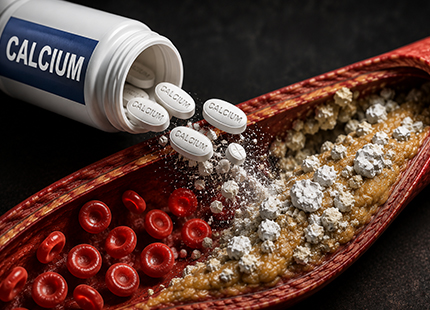
The risk of osteoporosis increases during menopause due to reduced estrogen levels. Calcium and Vitamin D are essential nutrients for maintaining bone strength and reducing the risk of bone loss.
| Nutrient | Main Benefit | Food Sources |
|---|---|---|
| Calcium | Supports bone density and strength | Dairy products, sardines, almonds, leafy greens |
| Vitamin D | Enhances calcium absorption | Sun exposure, fatty fish, fortified foods, supplements |
Supplements available at Dr. Nutrition may provide additional support when dietary intake or sun exposure is not enough.
Fiber for Weight Management and Digestion
Dietary fiber plays a key role in improving digestion, stabilizing blood sugar, and promoting fullness, which can support weight management during menopause.
Fiber is found in whole grains, fruits, vegetables, and legumes. It may also help reduce bloating, prevent constipation, and support healthy cholesterol levels.
Supplementing with soluble fiber may be beneficial for women who struggle to meet their daily fiber needs through diet alone.
Healthy Fats for Hormonal Balance
Healthy fats, particularly Omega-3 fatty acids, are important during menopause because they help reduce inflammation, support heart health, and improve mood.
Key sources include avocado, olive oil, nuts, flaxseeds, chia seeds, and fatty fish.
Omega-3 supplements such as fish oil, available via Dr. Nutrition, can support hormonal balance as well as skin, heart, and joint health.
Magnesium for Better Sleep and Stress Relief
Many women experience insomnia, stress, and muscle tension during menopause. Magnesium helps calm the nervous system, improve sleep quality, and support normal muscle function.
Food sources of magnesium include nuts, leafy greens, dark chocolate, legumes, and seeds.
Magnesium supplements may be helpful for women who experience low magnesium intake, muscle tension, or sleep-related concerns.
Foods to Avoid During Menopause
Certain foods may worsen menopause symptoms or make weight management more difficult.
- High-sodium foods that may cause water retention.
- Fast food and foods rich in trans fats.
- High-sugar foods that may increase weight gain and energy fluctuations.
- Caffeinated beverages that may worsen hot flashes in sensitive women.
- Highly processed foods with low nutritional value.
The Role of Supplements for Women During Menopause
Supplements can help fill nutritional gaps during menopause, especially when diet alone does not provide enough key nutrients.
- Omega-3 to support heart and hormonal health.
- B Vitamins to support energy production.
- Probiotics to support digestion and gut health.
- Collagen to support skin and joint health.
- Calcium and Vitamin D to support bone strength.
- Magnesium to support relaxation and sleep quality.
Supplements should be selected based on individual needs, dietary habits, and health status. Professional guidance is recommended when using multiple supplements or managing a medical condition.
Frequently Asked Questions
Can nutrition reduce menopause symptoms?
Yes. A balanced diet may help reduce hot flashes, support mood, improve energy, and promote better weight management.
Why is protein important during menopause?
Protein helps maintain muscle mass, support satiety, and protect metabolism during a stage when muscle loss becomes more common.
Why do women need calcium and Vitamin D after menopause?
Lower estrogen levels increase the risk of bone loss, making calcium and Vitamin D important for bone strength.
Can supplements replace a healthy diet?
No. Supplements can support nutritional needs, but they work best alongside a balanced diet and healthy lifestyle.
What foods should be limited during menopause?
High-sugar foods, high-sodium meals, fast food, trans fats, and excess caffeine may worsen symptoms for some women.
Conclusion
Nutrition can play a powerful role in helping women manage menopause symptoms and support healthy weight control. A diet rich in protein, calcium, Vitamin D, fiber, healthy fats, and magnesium may help protect muscles, bones, mood, digestion, and energy levels.
When needed, supplements can provide additional support, especially for women with nutritional gaps. The best approach is to combine smart nutrition, regular activity, quality sleep, and appropriate supplementation based on individual needs.