
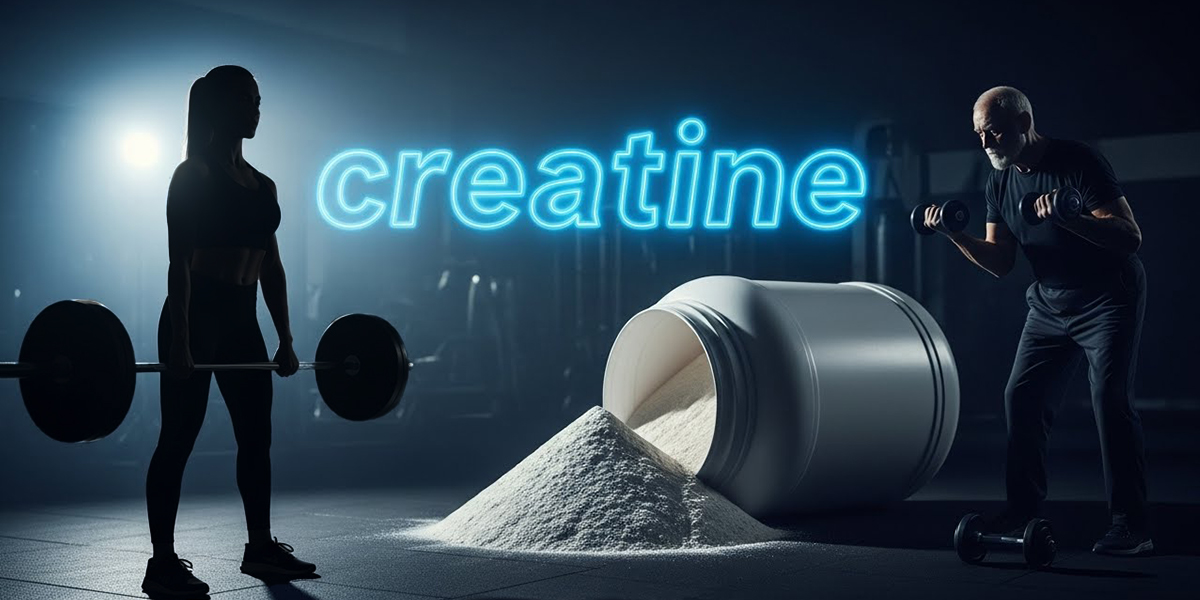


Creatine is one of the most popular supplements in sports and muscle-building. However, many questions remain about its safety for specific groups such as women and older adults.
Is it safe? Does it cause health risks? Is it suitable for non-athletes or aging individuals?
With the growing use of supplements, it is essential to rely on scientific evidence before making a decision. This guide explains creatine safety, benefits, recommended dosage, and key precautions.
What Is Creatine and Why Does It Raise Concerns?
Creatine is a natural compound produced by the body and stored in muscles. It plays a key role in producing quick energy during physical activity.
Despite strong scientific backing, misconceptions have linked creatine to kidney problems or water retention—especially for women and older adults.
In reality, these concerns are usually related to misuse or excessive intake, not proper use.
Is Creatine Safe for Women?
Research shows that creatine is safe for women when taken within recommended doses.
Contrary to common myths, creatine does not cause excessive muscle bulk or fat gain. Instead, it helps:
- Improve strength and physical performance
- Support muscle mass, especially during weight loss
- Enhance exercise efficiency
Any slight weight increase is typically due to water retention inside muscle cells—not fat gain—and is temporary and harmless.
Benefits of Creatine for Older Adults
As people age, muscle mass and strength naturally decline—a condition known as age-related muscle loss.
Creatine can help counter this by:
- Improving muscle strength
- Enhancing mobility and daily function
- Supporting independence
- Potentially improving bone health when combined with resistance training
It may also help reduce the risk of falls and injuries.
Recommended Dosage and Safe Use
The safe daily dose of creatine is typically:
- 3 to 5 grams per day
This dose is suitable for women and older adults without the need for a loading phase.
For better absorption, creatine can be taken with carbohydrates or after exercise. Consistency with moderate dosing is more effective than short-term high intake.
When Should You Be Cautious?
Although creatine is generally safe, caution is advised in certain cases:
- Individuals with kidney disease
- Those taking medications affecting kidney function
It is also important to:
- Stay well-hydrated
- Follow recommended dosages
This ensures safety and optimal results.