

Iron is essential for oxygen transport, energy production, and physical performance. However, the common belief that “more is better” does not apply to this mineral.
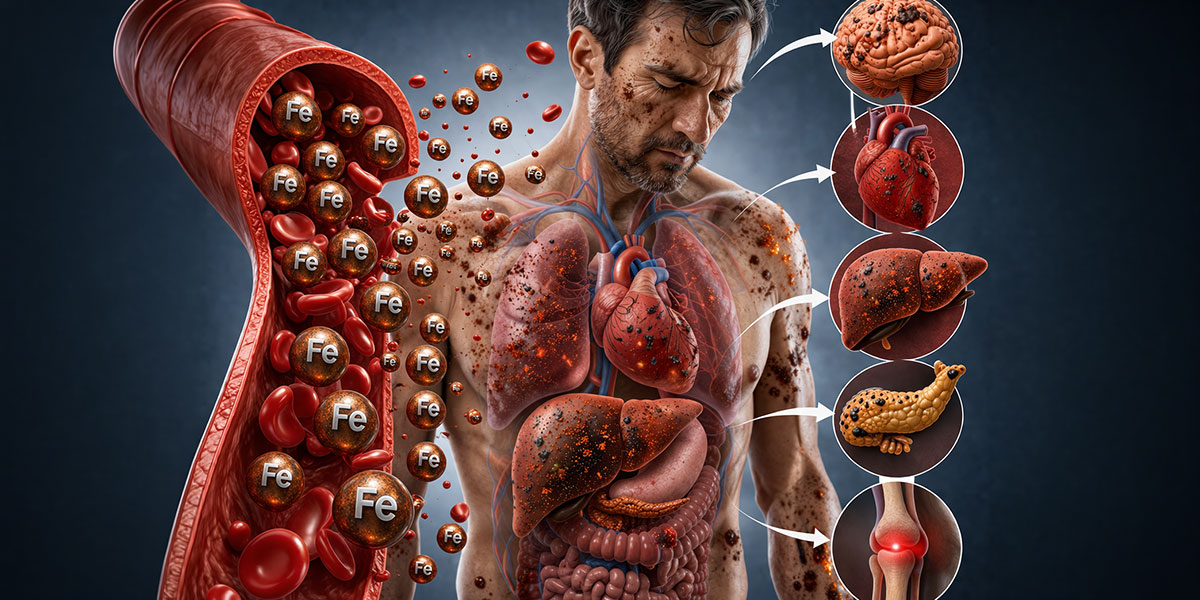
While iron deficiency can cause serious health issues, excessive iron can become dangerous. The condition caused by iron accumulation is known as hemochromatosis, which can damage the liver, heart, pancreas, and joints if not detected early.
In this guide, we explain when iron becomes harmful, its causes, symptoms, and how to prevent overload through responsible supplement use.
What Is Hemochromatosis?
Hemochromatosis is a condition where the body absorbs too much iron from food, leading to its accumulation in tissues and organs.
It can be:
- Genetic: Caused by inherited mutations affecting iron regulation
- Acquired: Due to excessive intake of iron supplements over time
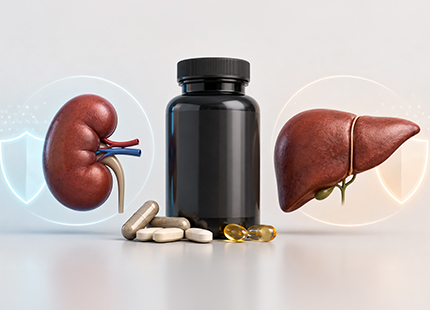
Over time, iron buildup can damage vital organs—especially the liver and heart—making early diagnosis and medical monitoring essential.
When Does Excess Iron Become Dangerous?
Iron becomes harmful when its levels exceed the body’s safe storage capacity.
Normally, the body tightly regulates iron absorption. However, when this regulation fails, excess free iron creates oxidative stress, leading to inflammation and tissue damage.
The risk is higher in individuals who take iron supplements without medical need or regular monitoring.
Causes of High Iron Levels
Iron overload can result from both genetic and lifestyle factors:
- Genetic mutations increasing iron absorption
- Overuse of iron supplements
- Frequent blood transfusions
- Diets excessively high in iron
- Liver diseases affecting iron metabolism
A proper medical evaluation is necessary to determine the underlying cause.
Symptoms of Iron Overload
Early symptoms may be subtle but worsen over time. Common signs include:
- Chronic fatigue
- Joint pain
- Abdominal pain
- Darkening of the skin
- Irregular heart rhythm
Advanced cases may lead to:
- Liver damage
- Diabetes
- Heart disease
Early detection is crucial to prevent complications.
Are Iron Supplements Safe for Everyone?
Iron supplements are beneficial when there is a confirmed deficiency—but they are not suitable for everyone.
Taking iron without a medical need may lead to harmful accumulation.
Blood tests are essential before supplementation, especially for:
- Men
- Postmenopausal women
- Individuals without anemia
Using the correct dosage under professional guidance ensures safety.
How to Prevent Iron Overload
Prevention starts with awareness:
- Perform regular blood tests for iron and ferritin levels
- Avoid unnecessary supplementation
- Follow a balanced diet
- Seek medical advice if symptoms appear
In diagnosed cases of hemochromatosis, treatment may involve medical procedures to reduce iron levels.