

Iron is one of the essential nutrients children need for healthy growth, development, and everyday energy. It plays a central role in producing hemoglobin, a protein in red blood cells that carries oxygen throughout the body. During childhood, when the body and brain are developing rapidly, getting enough iron through a balanced diet is particularly important.
Although many children can get adequate iron from nutritious foods, some may be at greater risk of not meeting their needs. Rapid growth, selective eating, limited intake of iron-rich foods, and certain dietary patterns can all affect iron intake. Understanding the importance of iron and recognizing potential signs of low iron can help parents make informed decisions about their child's nutrition.
Iron is found in a wide variety of foods, including meat, poultry, fish, beans, lentils, fortified cereals, and some vegetables. Pairing plant-based sources of iron with foods rich in vitamin C can also help support iron absorption. However, iron supplements are not automatically necessary for every child and should generally be used under appropriate professional guidance.
Table of Contents
- What Is Iron and Why Do Kids Need It?
- Benefits of Iron for Children
- How Much Iron Do Kids Need?
- Signs of Low Iron in Children
- Iron-Rich Foods for Kids
- Heme vs. Non-Heme Iron: What's the Difference?
- How Vitamin C Helps Iron Absorption
- When Do Kids Need Iron Supplements?
- How to Choose an Iron Supplement for Kids
- Iron Safety Considerations for Children
- Recommended Children's Health Supplements
- FAQ
- Conclusion
What Is Iron and Why Do Kids Need It?
Iron is an essential mineral involved in several important functions in the body. One of its best-known roles is helping produce hemoglobin, which enables red blood cells to deliver oxygen to tissues and organs. Iron also contributes to normal energy metabolism and supports healthy growth and development.
For children, adequate iron intake is particularly important because their bodies undergo continuous physical and cognitive development. A nutritious diet that includes a variety of iron-containing foods can help children meet their nutritional needs and support overall wellness.
Benefits of Iron for Children
Iron supports several essential processes that are especially important during childhood. Adequate iron intake helps support normal oxygen transport, energy production, growth, and healthy cognitive development.
- Supports oxygen transport: Iron is essential for hemoglobin production, helping red blood cells carry oxygen throughout the body.
- Supports healthy growth: Children need adequate nutrients, including iron, during periods of rapid physical development.
- Supports brain development: Iron contributes to normal neurological function and is particularly important during early childhood.
- Supports energy levels: Iron plays a role in energy metabolism and normal cellular function.
- Supports immune function: Adequate iron intake contributes to normal immune system function.
How Much Iron Do Kids Need?
Iron requirements vary according to a child's age, growth stage, and individual nutritional needs. Infants, toddlers, school-age children, and teenagers do not all require the same amount of iron.
As a general guide, infants from 7–12 months need about 11 mg of iron per day, children aged 1–3 years need about 7 mg, and children aged 4–8 years need about 10 mg daily. Requirements increase during adolescence, particularly for girls after menstruation begins. These values are general nutritional recommendations, so parents should consider their child's overall diet and individual circumstances.
Signs of Low Iron in Children
Low iron intake does not always cause noticeable symptoms at first. If iron deficiency becomes more significant, however, children may develop symptoms that affect their energy and everyday well-being.
Possible signs may include tiredness, weakness, pale skin, irritability, reduced appetite, headaches, or difficulty concentrating. Some children may also develop unusual cravings for non-food substances, such as ice, although this is not specific to iron deficiency.
These symptoms can have many possible causes and should not be used to diagnose iron deficiency on their own. If a child has persistent symptoms or is considered at higher risk, a pediatrician may recommend an appropriate evaluation or blood tests.
Iron-Rich Foods for Kids
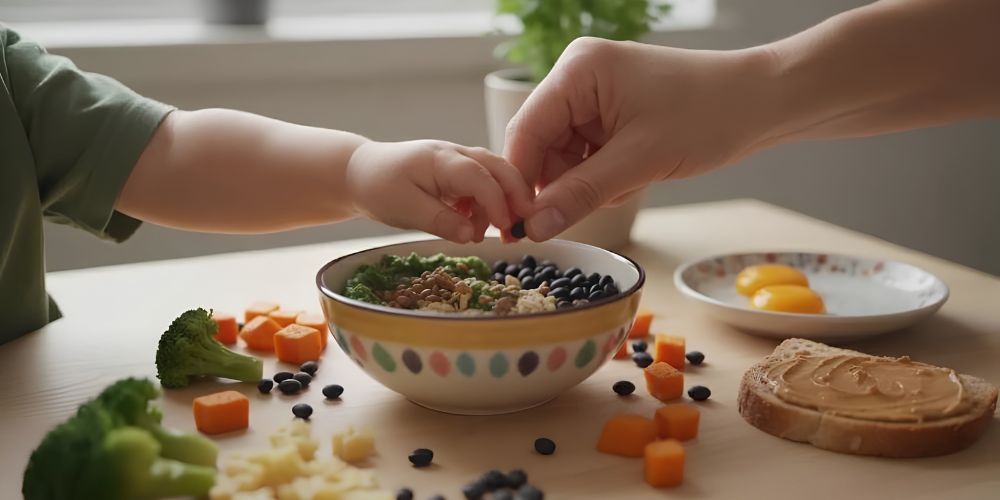
A balanced diet is usually the best starting point for meeting a child's iron needs. Good food sources include lean meat, poultry, fish, eggs, beans, lentils, chickpeas, iron-fortified cereals, tofu, and leafy green vegetables.
For children following vegetarian or mostly plant-based diets, including a variety of plant-based iron sources throughout the day can be particularly important. Pairing these foods with vitamin C-rich options such as oranges, strawberries, tomatoes, kiwi, or bell peppers can help improve the absorption of non-heme iron from plant foods.
Heme vs. Non-Heme Iron: What's the Difference?
Iron in food is generally found in two forms: heme iron and non-heme iron. Understanding the difference can help parents build a varied diet that provides children with adequate iron.
Heme iron is found mainly in animal-based foods such as beef, chicken, turkey, and fish. It is generally absorbed more efficiently by the body. Non-heme iron is found in plant foods such as beans, lentils, chickpeas, tofu, spinach, and fortified cereals. Because non-heme iron is less readily absorbed, combining these foods with vitamin C-rich foods can be a useful nutritional strategy.
Children do not necessarily need to eat animal products to obtain iron. A well-planned diet containing a variety of plant-based iron sources can contribute significantly to daily iron intake.
How Vitamin C Helps Iron Absorption
Vitamin C can help the body absorb non-heme iron from plant-based foods. This makes food pairing an easy way to support iron absorption as part of a child's regular diet.
For example, parents can serve iron-fortified cereal with strawberries, lentils with tomatoes or bell peppers, or beans alongside a fruit rich in vitamin C. Citrus fruits, kiwi, strawberries, tomatoes, and sweet peppers are convenient sources of vitamin C that can be incorporated into child-friendly meals and snacks.
A varied diet that combines iron-rich foods with fruits and vegetables can therefore support overall nutrient intake without relying on supplements unnecessarily.
When Do Kids Need Iron Supplements?
Iron supplements are not automatically needed by every child. In many cases, children can obtain sufficient iron through a balanced and varied diet. Supplementation may be considered when a healthcare professional identifies inadequate iron intake, increased nutritional requirements, or confirmed iron deficiency.
Children who are selective eaters, follow restrictive diets, experience certain health conditions, or have other risk factors may require individualized nutritional assessment. A healthcare professional can determine whether supplementation is appropriate and whether testing is needed.
Parents should not give children high-dose iron supplements without professional guidance. Iron is an essential nutrient, but excessive iron intake can be harmful, particularly in young children.
How to Choose an Iron Supplement for Kids
If a healthcare professional recommends an iron supplement, choose a product specifically formulated for the child's age group and follow the recommended serving instructions carefully.
When comparing children's iron supplements, consider the amount of elemental iron per serving, age suitability, formulation, serving size, and ingredient list. Some products are available as liquids, chewables, or other child-friendly formats, which may make consistent use easier.
It is important not to assume that a higher dose is better. The appropriate amount depends on the child's age, diet, nutritional status, and reason for supplementation. Keep iron supplements securely out of children's reach, as accidental ingestion of large amounts can be dangerous.
Iron Safety Considerations for Children
Iron is an essential nutrient, but more is not always better. Iron supplements can be harmful when taken in excessive amounts, and accidental ingestion of iron products can cause serious poisoning in children. For this reason, iron supplements should always be stored securely and used according to a healthcare professional's advice or the product label.
Parents should avoid giving children high-dose iron supplements simply because they appear tired, have a poor appetite, or seem to have symptoms that could be related to low iron. These symptoms can have many possible causes, and iron deficiency should be confirmed or assessed by a healthcare professional when supplementation is being considered.
Extra care is particularly important if your child:
- Has been diagnosed with iron deficiency or anemia.
- Follows a restricted diet with limited sources of iron.
- Has a medical condition that may affect iron absorption or increase iron needs.
- Takes other vitamin or mineral supplements containing iron.
- Is taking medication or has an ongoing health condition.
Keep iron-containing products out of children's reach and follow the recommended dose carefully. If a child accidentally consumes an excessive amount of iron, seek urgent medical assistance rather than waiting for symptoms to develop.
Recommended Children's Health Supplements
Children's nutritional needs vary according to age, diet, growth, and individual health. Explore children's health supplements designed to complement a balanced diet and support everyday nutritional needs.
- Children's Health Supplements
Ideal for: Parents looking for a broader selection of age-appropriate nutritional supplements to complement their child's diet and overall wellness.
Tip: Always check the product's age recommendation, ingredients, serving size, and precautions before giving a supplement to a child. If you suspect iron deficiency or your child has ongoing symptoms, consult a pediatrician or qualified healthcare professional before starting iron supplementation.
FAQ
1. Why is iron important for children?
Iron is needed for hemoglobin production, which allows red blood cells to transport oxygen throughout the body. It also contributes to normal energy metabolism, cognitive development, and overall growth. Adequate iron intake is particularly important during periods of rapid childhood development.
2. What are the signs of low iron in children?
Possible signs include tiredness, weakness, pale skin, reduced concentration, irritability, or decreased appetite. However, these symptoms can occur for many different reasons, so they do not necessarily mean a child has iron deficiency. A healthcare professional can determine whether further evaluation is appropriate.
3. What foods are high in iron for kids?
Iron-rich foods include meat, poultry, fish, eggs, beans, lentils, chickpeas, fortified cereals, and some leafy green vegetables. Combining plant-based sources of iron with foods rich in vitamin C can help improve the absorption of non-heme iron.
4. Do all children need an iron supplement?
No. Many children can obtain sufficient iron from a varied, balanced diet. Iron supplementation may be appropriate when a healthcare professional identifies iron deficiency, increased nutritional needs, or another reason for supplementation. Parents should not routinely give iron supplements without appropriate guidance.
5. Can children take iron supplements safely?
Iron supplements can be used safely when the appropriate product and dose are selected for the child's age and nutritional needs. Because excessive iron can be dangerous, parents should carefully follow dosing instructions, avoid combining multiple iron-containing products without advice, and store supplements securely away from children.
Conclusion
Iron plays an essential role in children's growth, development, oxygen transport, energy production, and cognitive function. Providing children with a varied diet that includes iron-rich foods is one of the best ways to support adequate iron intake and overall nutritional health.
Parents should pay attention to potential signs of low iron, particularly when a child has a restricted diet or other factors that may increase the risk of deficiency. However, symptoms alone cannot confirm iron deficiency, and supplementation should not be started simply as a precaution without appropriate guidance.
When an iron supplement is needed, choosing an age-appropriate product and following the recommended serving carefully is essential. A balanced diet, regular healthcare checkups, and professional advice can help ensure children receive the nutrients they need without unnecessary supplementation.