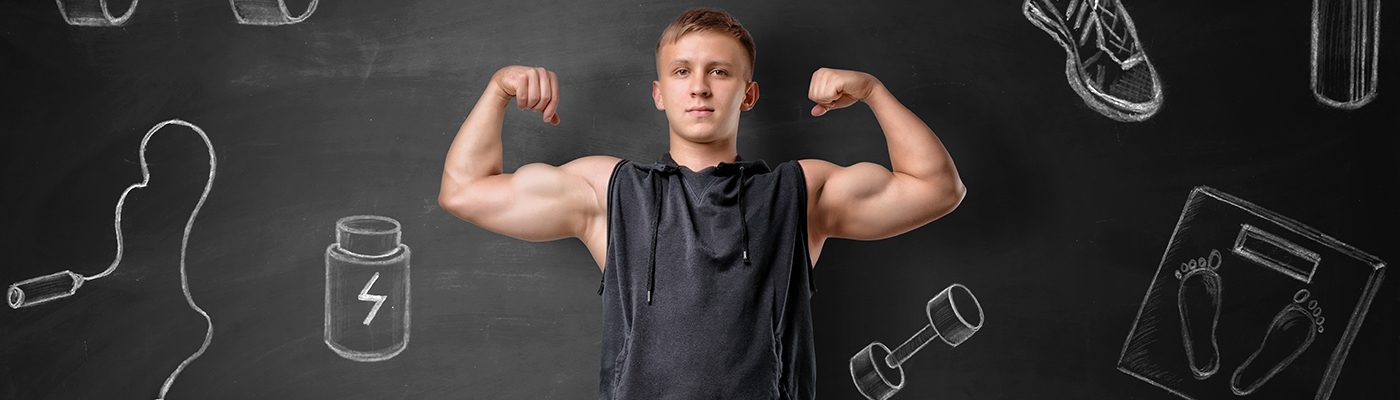


When you're trying to lose weight and excess fat, it's natural to lose a little muscle mass. There are diet programs and Some exercise types that help you lose weight, and burn fat with maintaining muscle mass. we provide a list of tips to Lose Fat Without Losing Muscle and reach the ideal weight
Article Contents
How to Lose Fat Without Losing Muscle
Safe weight loss is considered losing about (500 g to 1kg) weekly. Losing weight faster increases your risk for muscle mass loss. Generally, the international recommendation is never to consume less than 1200 calories daily. Calories that are too low for age, gender, or activity level put you at risk for muscle mass loss as you're not consuming adequate nutrients for your body to function normally. Losing (500 g to1kg) per week within cutting out about 500 calories daily.
1. Eating adequate protein.
Protein is a key macronutrient found in muscle, bone, skin, hair, and other tissues. It powers chemical reactions through enzymes and supports hemoglobin production. Cutting calories can limit protein intake, potentially leading to muscle mass loss. At a minimum, women need 46g and men need 56g of protein daily from high-quality sources like lean meats, beans, and eggs.
2. Eat Fruits and vegetables.
Fruits and vegetables are low in calories but rich in nutrients, adding bulk to your diet for a more satisfying, lower-calorie meal plan. Aim for 2-3 servings of fruit and 4-6 servings of vegetables daily, incorporating them into each meal.
3. Consuming optimal Servings of carbohydrates daily
Following a lower-carb diet help, you lose weight more quickly. You can lose more fat compared to low-fat diets or only low-calorie diets. A low-carb diet focuses on limiting how many carbohydrates you eat within a day. Depending on your diet, it could range from (60 - 200) g of carbohydrates daily. The fewer carbs you allow in your diet, the more restrictive your food choices will be. Carbohydrates are found in many food groups including grains, fruits, starchy vegetables, dairy, and legumes.
4. protein supplements.
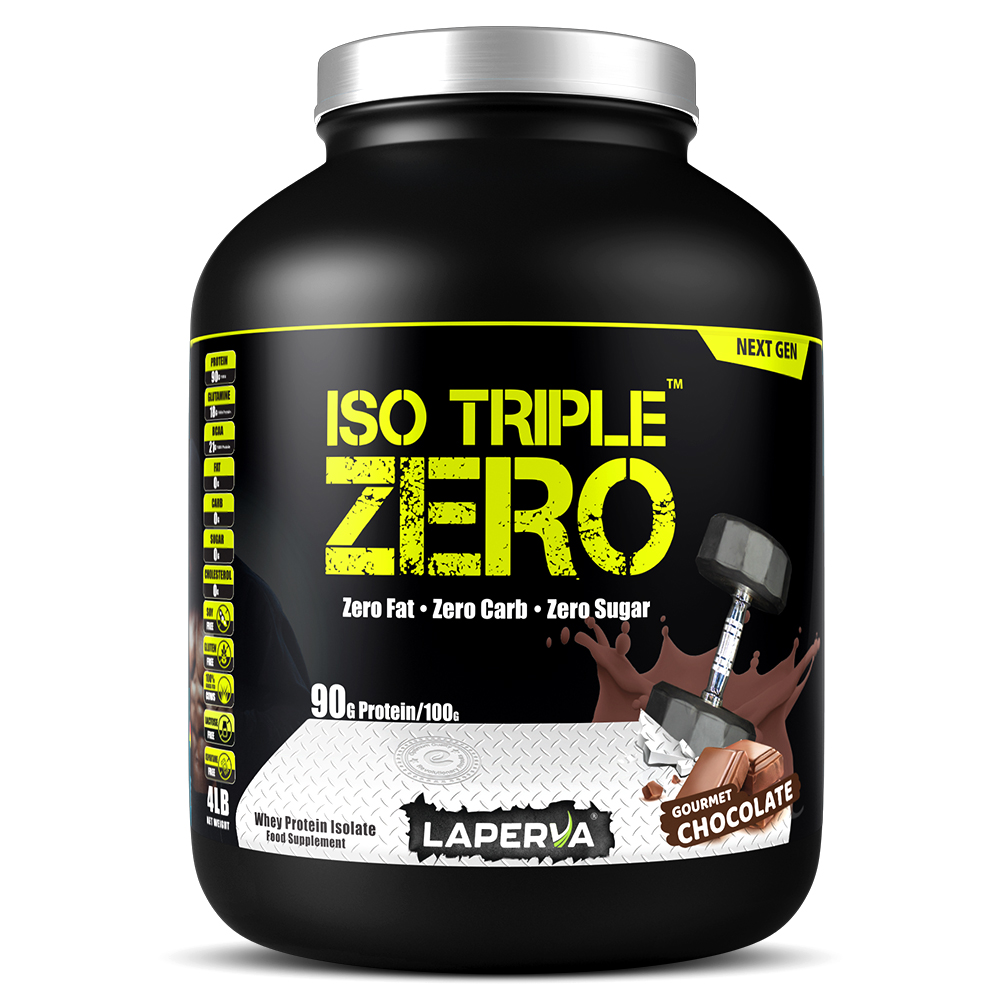
Protein supplement drinks are moderately low in calories and high in protein. Getting another 15–30 g of protein daily from these drinks may help you meet your minimum protein intake, increase weight loss and prevent loss of muscle mass.
- Whey protein is a high-quality protein for your body. It has all the essential amino acids your body needs and cannot make itself. If purchasing a protein supplement, try to purchase whey protein if possible.
- If you have a whey allergy or do not want to use whey, consider using another source of protein. Egg and soy protein are appropriate alternatives
- Protein supplements have been shown to be especially effective at maintaining and even building lean muscle mass when they are consumed after a workout.
Nutrition Tip
5. Do cardio exercise 3-5 times per week
One key part of fat loss is exercise. Cardiovascular (cardio) or aerobic exercise helps your body burn calories and can support your weight loss. Maintaining the body’s lean muscle mass and burning calories can be accomplished by performing cardio exercises regularly.
- Aim for about 150 minutes of cardio each week. Ideally, the exercise performed should be at moderate intensity.
- Different types of aerobic activity can include: walking/running, biking, using the elliptical, swimming, or dancing.
6. Perform weight training (2-3) times weekly
A crucial part of fat loss and muscle mass maintenance is strength training. Consistent weight training helps prevent muscle mass loss and can increase the amount of lean muscle mass.
- Strength training should be done for about 20–30 minutes per session. Try to work with every major muscle group during each training. Make sure to work: the core (back, abs and glutes), chest, arms, and legs.
- Strength training activities include weight lifting, isometric exercises, and classes like yoga or Pilates.
7. Focus on fueling and recovery.
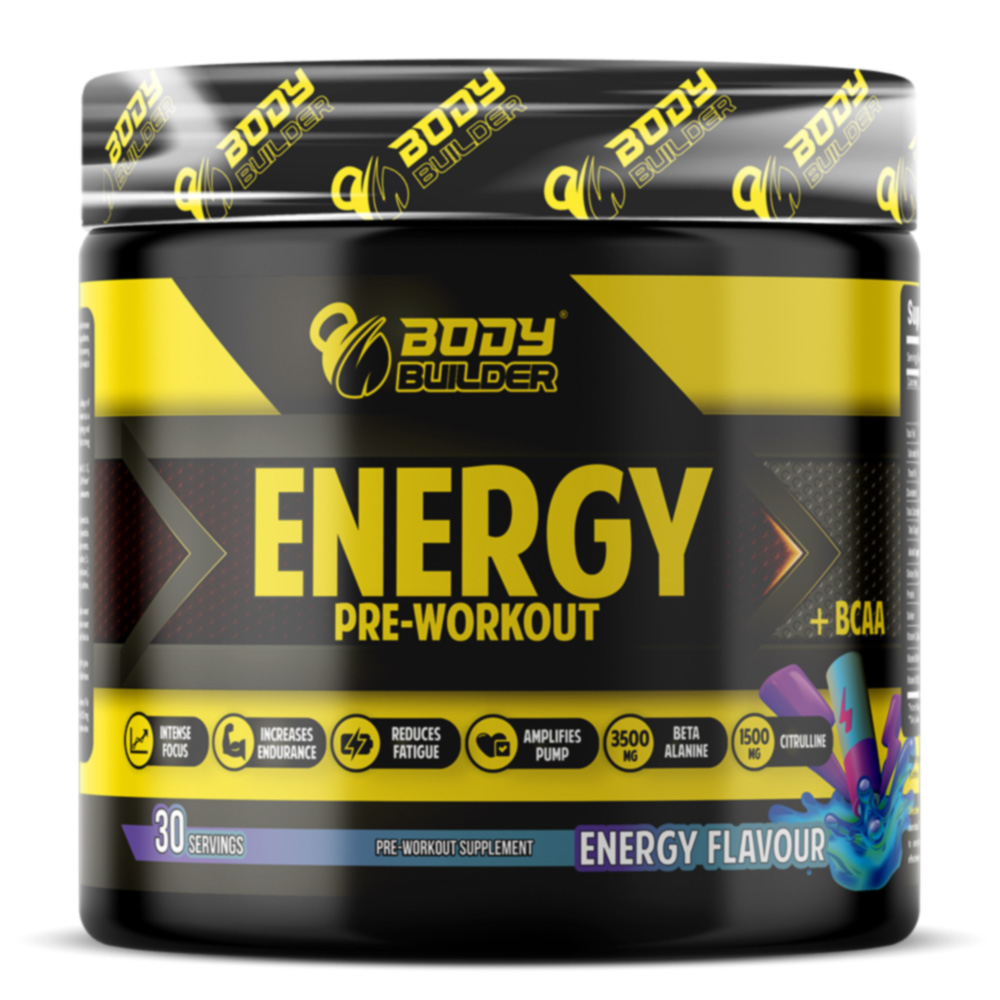
It's important to focus on proper nutrition right before and after a workout. This is especially true when you're dieting, working out, and aiming to maintain or build muscle mass. Prior to a workout, it's ideal to consume a lot of hydrating fluids and also a small carbohydrate-rich meal. This should be eaten at least 30 minutes prior to your workout to make sure you don't have any GI upset during your exercise program. Pre-workout snacks include a small bowl of oatmeal, a small piece of fruit, individual yogurt, or a serving of whole-wheat crackers.
Immediately after a workout, it's also important to continue drinking hydrating fluids. In addition, you should consume a small meal or snack that contains protein and carbohydrates. This combination in particular helps muscles recover. Try to eat within 60 minutes of completing your workout. Post-workout snacks include hummus and whole-grain pita chips, a small apple and peanut butter, chocolate milk, trail mix with dried fruit and nuts, or a fruit smoothie with added protein powder.
8. Enough Rest days.
Taking a day or 2 off within the week will help your body recover. That way, you can continue to maintain and build lean muscle mass. It's important to take off between both cardio and strength training throughout the week. Allow for about 24 – 48 hours of time off between strength training sessions. When you take a "rest day" you should still be active. Rest days should not include a lot of sitting or laying down. You should perform very light-intensity and restorative activities. You can walk, take a leisurely bike ride, or do restorative yoga.