

Are you looking to shed those extra pounds and improve your overall health? Cardio, or cardiovascular exercise, is a cornerstone of any effective weight loss plan. It's a powerful tool for burning calories, reducing body fat, boosting your metabolism, and enhancing your heart health. In this comprehensive guide, we'll explore what cardio is, how it works, and its numerous benefits. We'll also delve into the best cardio workouts, provide tips for creating your routine, and discuss the importance of combining cardio with strength training. So, lace up your sneakers and get ready to discover how cardio can transform your weight loss journey!
Article Contents
What is Cardio?
Cardio, also known as aerobic exercise, involves sustained physical activity that engages large muscle groups. It elevates your heart rate, increasing blood circulation and oxygen delivery to your muscles. Regular cardio workouts can significantly contribute to your weight loss journey by helping you burn more calories and reduce overall body fat.
How Cardio Works
Cardio helps you lose weight by creating a calorie deficit. When you perform cardio exercise, you burn calories, which leads to fat loss. The more calories you burn, the closer you get to achieving your desired weight. Additionally, cardio boosts your metabolism, helping you burn calories even when you're at rest. For effective weight loss, incorporating different types of cardio, such as running, swimming, and high-intensity interval training (HIIT), can enhance your results.
Benefits of Cardio
Cardio, or cardiovascular exercise, provides a wide array of health benefits that extend far beyond weight loss. Whether you're running, swimming, cycling, or engaging in any other form of cardio, the positive impact on your body and mind is profound, especially when aiming to lose fat.
1. Strengthens the Heart
One of the most significant benefits of cardio exercise is its ability to strengthen the heart. As an aerobic activity, cardio increases your heart rate, encouraging the heart muscle to pump more efficiently. This improved efficiency helps to lower your resting heart rate over time, reducing the strain on your heart during both exercise and rest. A stronger heart is better equipped to handle physical stress and is less prone to conditions like coronary artery disease and heart failure.
2. Improves Lung Capacity and Respiratory Function
Cardio workouts enhance your lung capacity, which is the amount of air your lungs can hold. By regularly engaging in cardiovascular exercise, you train your respiratory muscles to work more effectively, allowing your body to take in more oxygen and expel carbon dioxide more efficiently. This leads to improved endurance and performance in physical activities, making it easier to perform everyday tasks without feeling winded.
3. Reduces the Risk of Chronic Diseases
Regular cardio exercise is a powerful tool in preventing and managing chronic diseases. It has been shown to lower the risk of heart disease, one of the leading causes of death worldwide. Cardio helps to maintain healthy blood pressure levels and improves blood circulation, reducing the risk of hypertension. It also plays a crucial role in regulating blood sugar levels, which can help prevent or manage type 2 diabetes. Moreover, cardio can help lower levels of bad cholesterol (LDL) while raising good cholesterol (HDL), further protecting against cardiovascular issues.
Research Note
4. Enhances Mental Health and Reduces Stress
Cardio is not just beneficial for physical health; it also has a profound impact on mental well-being. Engaging in regular cardio exercise triggers the release of endorphins, often referred to as "feel-good" hormones, which can boost your mood and reduce feelings of stress, anxiety, and depression. Cardio also helps to regulate the body's levels of cortisol, a hormone associated with stress. By keeping cortisol levels in check, cardio can help prevent chronic stress and its negative effects on the body and mind.
5. Boosts Immune System Function
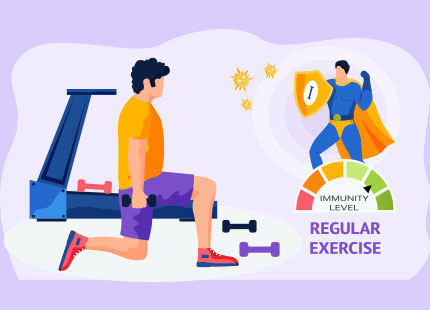
Regular cardio exercise can enhance your immune system, making your body more resilient against illnesses. Moderate cardio activities, such as brisk walking or light jogging, have been shown to improve the circulation of white blood cells, which are crucial for fighting off infections. Additionally, the temporary rise in body temperature during exercise may help prevent bacteria from growing, potentially aiding in the body's ability to fight off infections.
6. Supports Weight Management and Body Composition
While weight loss is a common goal, cardio also plays a critical role in maintaining a healthy weight and improving body composition. By burning calories and promoting fat loss, cardio helps to reduce overall body fat, including dangerous visceral fat that surrounds vital organs. When combined with a balanced diet and strength training, cardio can help you achieve a leaner, more toned physique, which contributes to overall fitness and health.
7. Improves Sleep Quality
Engaging in regular cardio exercise can also lead to better sleep quality. Physical activity helps to regulate your body's natural sleep-wake cycle, also known as the circadian rhythm. Cardio exercise can help you fall asleep faster and enjoy deeper, more restorative sleep. Improved sleep quality has a positive ripple effect on various aspects of health, including mental clarity, mood, and overall energy levels.
8. Increases Longevity
Finally, consistent cardio exercise is associated with increased longevity. By reducing the risk of chronic diseases, improving heart health, and enhancing overall physical and mental well-being, cardio can help you live a longer, healthier life. The cumulative benefits of cardio contribute to a higher quality of life, allowing you to enjoy an active and fulfilling lifestyle well into your later years.
Top Cardio Workouts
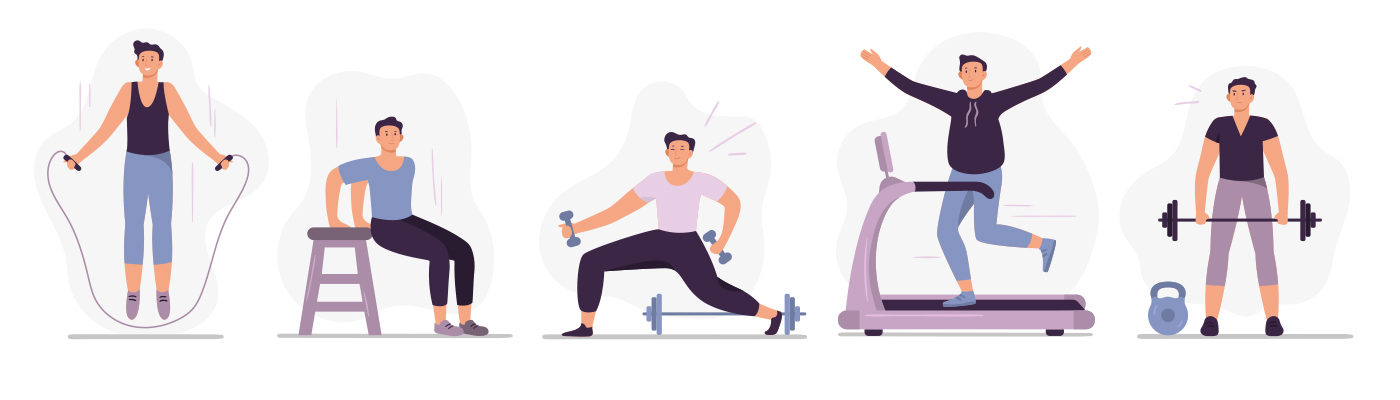
Ready to get started? Here are some of the best cardio workouts to help you burn calories and lose weight:
- Running: A classic cardio exercise that effectively burns many calories and improves endurance. Running on a treadmill or outdoors can be a flexible option for any fitness level.
- Swimming: A low-impact option that works your entire body and is gentle on your joints, making it ideal for those with joint issues.
- Cycling: Enjoyable and efficient, cycling offers a variety of intensity levels to suit your preferences, whether on a stationary bike or outdoors.
- Jumping Rope: A high-intensity workout that burns calories rapidly and improves coordination, making it a convenient option for home workouts.
- Dancing: A fun way to get your heart pumping while enjoying the music and improving your rhythm, with options like Zumba or dance-based fitness classes.
Other Effective Cardio Options
In addition to the popular choices, explore these effective cardio options:
- Hiking: Combines cardio with nature, building lower body strength and endurance while burning calories.
- Rowing: A full-body workout that engages both upper and lower body muscles, making it a comprehensive cardio exercise.
- Battle Ropes: An intense cardio exercise that builds strength and endurance, perfect for those looking for a challenge.
- High-Intensity Interval Training (HIIT): Alternates short bursts of intense exercise with recovery periods for maximum calorie burn and fat loss. HIIT is particularly effective for those looking to lose weight quickly, and some fat burners for cardio enthusiasts may complement these workouts by boosting metabolism.
Creating Your Cardio Routine
Building an effective cardio routine involves several key considerations:
- Start Gradually: Begin with shorter workouts and progressively increase duration and intensity to avoid injury.
- Vary Your Workouts: Incorporate different types of cardio to prevent boredom and continuously challenge your body.
- Consider Structured Programs: Many people find success by following structured programs for cardio-based weight loss, which provide guidance and help you stay accountable.
- Listen to Your Body: Pay attention to your body's signals and rest when needed to avoid overtraining.
- Set Realistic Goals: Focus on progress and celebrate your achievements along the way to stay motivated.
Combining Cardio with Strength Training
While cardio is essential for weight loss, combining it with strength training is crucial for optimal results. Building muscle mass through weight training boosts your metabolism, helping you burn more calories at rest. Resistance training exercises, such as lifting weights, can enhance your overall fat loss by increasing lean muscle tissue. Additionally, some individuals consider supporting cardio routines with supplements to enhance performance and recovery. Aim for a balanced routine that includes both cardio and strength training exercises to maximize calorie burn and improve body composition.
Conclusion
Cardio is a powerful tool in your weight loss arsenal. By incorporating it into your lifestyle and combining it with a healthy diet and strength training, you can achieve your desired weight and improve your overall health. Use this article as a guide to weight loss with cardio, and remember, consistency is key. Stay motivated, listen to your body, and enjoy the journey towards a healthier, fitter you!