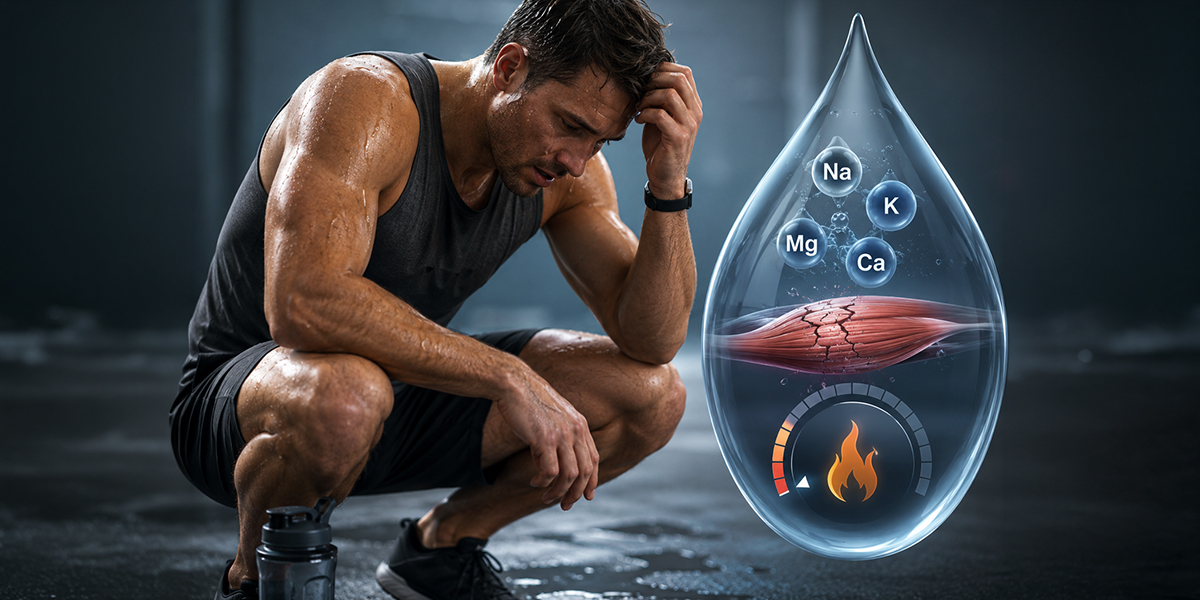


Electrolytes such as sodium, potassium, magnesium, and calcium play a vital role in maintaining muscle performance, hydration, nerve signaling, and energy production.
When the body loses large amounts of fluids and minerals through excessive sweating, intense exercise, hot weather, dehydration, or poor nutrition, electrolyte imbalance may occur. This can affect not only physical performance, but also the muscles’ ability to produce energy and burn calories efficiently.
Table of Contents
- What Is Electrolyte Dehydration?
- The Role of Electrolytes in Muscle Function
- How Electrolyte Dehydration Affects Muscle Strength
- The Relationship Between Muscles and Calorie Burning
- The Impact of Dehydration on Performance and Metabolism
- The Best Ways to Maintain Electrolyte Balance
- Frequently Asked Questions
What Is Electrolyte Dehydration?
Electrolyte dehydration occurs when the body loses both water and essential minerals that help regulate fluid balance and muscle function.
This may happen during long workouts, high-intensity training, endurance sports, heat exposure, heavy sweating, illness, or inadequate fluid and mineral intake.
Unlike simple thirst, electrolyte dehydration can affect nerve signals, muscle contraction, blood flow, energy production, and recovery after exercise.
The Role of Electrolytes in Muscle Function
Electrolytes help transmit nerve signals and regulate muscle contraction and relaxation. This makes them essential for movement, strength, coordination, and exercise performance.
Sodium and potassium are especially important for communication between nerves and muscles. Magnesium supports relaxation, energy metabolism, and normal muscle function.
When these minerals are balanced, muscles can contract efficiently, recover better, and maintain performance during physical activity.
| Electrolyte | Main Role | Effect on Muscles |
|---|---|---|
| Sodium | Fluid balance and nerve signaling | Supports contraction and hydration during exercise |
| Potassium | Cellular fluid balance and nerve-muscle communication | Supports normal contraction and reduces weakness risk |
| Magnesium | Energy metabolism and muscle relaxation | Helps reduce cramps and supports recovery |
| Calcium | Muscle contraction and signaling | Supports contraction strength and coordination |
How Electrolyte Dehydration Affects Muscle Strength
When electrolyte levels become too low, muscles may struggle to contract and relax properly.
This can lead to weakness, early fatigue, muscle cramps, reduced endurance, poor coordination, and a noticeable drop in workout performance.
Even mild dehydration combined with mineral loss may make exercise feel harder, reduce power output, and increase the time needed for recovery.
- Reduced muscle contraction efficiency.
- Increased risk of cramps and spasms.
- Lower endurance during prolonged exercise.
- Earlier fatigue and reduced training intensity.
- Slower recovery after heavy sweating.
- Reduced coordination and exercise quality.
The Relationship Between Muscles and Calorie Burning
Muscles are among the most energy-demanding tissues in the body. They use calories during exercise, daily movement, posture control, and recovery.
When muscle function is efficient, the body can produce force, perform movement, and use energy more effectively. This supports calorie expenditure during workouts and daily activities.
However, when dehydration or electrolyte imbalance impairs muscle performance, the body may become less efficient at sustaining movement, which can reduce exercise intensity and total calorie burn.
| Muscle Condition | Effect on Performance | Effect on Calorie Burning |
|---|---|---|
| Well-Hydrated Muscles | Better strength, endurance, and coordination | Supports higher training quality and energy use |
| Electrolyte-Depleted Muscles | Weakness, cramps, and early fatigue | May reduce workout intensity and total calorie burn |
| Poor Recovery | Reduced readiness for the next session | May lower daily activity and training consistency |
The Impact of Dehydration on Performance and Metabolism
Dehydration caused by fluid and electrolyte loss may reduce blood volume, limit circulation, and decrease oxygen delivery to working muscles.
When muscles receive less oxygen and fewer nutrients, energy production may become less efficient. This can increase feelings of fatigue, heaviness, and sluggishness during exercise.
Over time, poor hydration habits may reduce daily movement, lower workout quality, and negatively affect total calorie expenditure.
| Dehydration Effect | What Happens in the Body | Performance Result |
|---|---|---|
| Reduced Blood Flow | Less efficient nutrient and oxygen delivery | Lower endurance and faster fatigue |
| Electrolyte Loss | Weaker nerve-muscle communication | Cramps, weakness, and reduced strength |
| Lower Energy Production | Muscles may work less efficiently | Reduced calorie-burning capacity during activity |
| Increased Fatigue | Exercise feels harder than usual | Lower training intensity and shorter sessions |
The Best Ways to Maintain Electrolyte Balance
Maintaining electrolyte balance requires a combination of adequate water intake, mineral-rich foods, and proper replacement after heavy sweating.
Foods rich in potassium and magnesium, along with balanced sodium intake, can help support muscle function and reduce the risk of dehydration-related performance decline.
Athletes, people who train in hot weather, and individuals who sweat heavily may need more attention to fluid and electrolyte replacement before, during, and after exercise.
- Drink water regularly throughout the day.
- Replace fluids after intense exercise or heavy sweating.
- Include potassium-rich foods such as bananas, potatoes, spinach, beans, and avocado.
- Include magnesium sources such as nuts, seeds, dark leafy greens, and legumes.
- Maintain balanced sodium intake, especially during long or sweaty workouts.
- Use electrolyte drinks when training is prolonged, intense, or performed in hot conditions.
Frequently Asked Questions
Can dehydration reduce muscle strength?
Yes. Dehydration combined with electrolyte loss may reduce muscle contraction efficiency, leading to weakness, cramps, fatigue, and reduced workout performance.
How do electrolytes affect calorie burning?
Electrolytes support muscle function and energy production. When muscle performance declines, exercise intensity and daily movement may decrease, which can reduce calorie expenditure.
Which electrolytes are most important for muscles?
Sodium, potassium, magnesium, and calcium are all important for nerve signaling, contraction, relaxation, hydration, and energy metabolism.
When should I use an electrolyte drink?
An electrolyte drink may be useful during long workouts, intense sweating, hot weather training, endurance exercise, or when fluid and mineral loss is high.
Is water alone enough for hydration?
Water is essential, but during heavy sweating or prolonged exercise, electrolytes may also be needed to maintain fluid balance and muscle performance.
Conclusion
Electrolyte dehydration can directly affect muscle strength, energy production, exercise performance, and the body’s ability to burn calories efficiently.
Maintaining proper hydration and electrolyte balance supports muscle contraction, nerve signaling, oxygen delivery, daily movement, and overall metabolism. For best results, combine regular water intake with mineral-rich foods and electrolyte replacement when exercise intensity, sweat loss, or heat exposure is high.