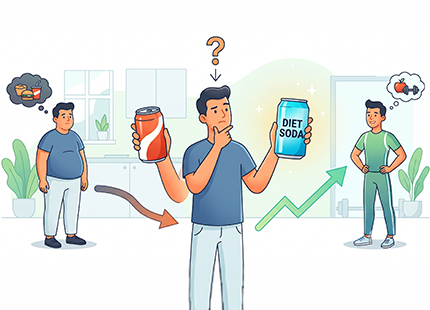



Excess sugar intake is one of the biggest health challenges of modern life. Sugar has become part of many foods and drinks without us even noticing. However, research shows that taste preference is not fixed. It can be reshaped over time through practical strategies that reduce sugar cravings and gradually retrain your palate.
If you want to lower your sugar intake, improve your health, or support your weight-loss journey, there are effective steps that can help you reprogram your taste buds to become less attracted to sweets and more appreciative of natural flavors. In this guide, we explore a science-based approach to becoming someone who no longer depends on sugar.
Resetting Your Taste: How Your Palate Changes
Your sense of taste can adapt to dietary changes in just a few weeks. When you gradually reduce sugar, your taste receptors begin to reset their sensitivity to sweetness. This means that foods which once seemed “normal” may start to taste overly sweet, which naturally reduces your desire for them.
This process depends on consistency, because the brain needs time to break the link between sugar and the immediate feeling of reward. For that reason, any successful change begins with one simple strategy: reduce sugar little by little rather than cutting it all at once.
Controlling Snacks to Reprogram Cravings
Daily snacks have a strong impact on the body’s tendency to crave sugar. When you replace chocolate and sweets with higher-fiber or higher-protein options, such as nuts or unsweetened yogurt, the brain starts building new associations with satiety and stable energy.
This helps break the cycle of rapid hunger caused by blood sugar spikes and crashes. Healthy snack choices also support mood balance and reduce stress, which is one of the main triggers for sugar cravings.
The Role of Protein and Fiber in Reducing Sugar Cravings
Including protein and fiber in every meal is an effective way to prevent rapid rises in blood sugar. Protein helps reduce the body’s need for quick energy sources like sweets, while fiber slows digestion and keeps you feeling full for longer.
Together, this combination makes the body less dependent on sugar and reduces the brain signals linked to craving sweets. Adding vegetables, legumes, and seeds to meals can gradually reshape your food preferences in a healthier direction.
Reducing Artificial Sweeteners to Restore Balance
Although artificial sweeteners contain little or no calories, they keep the brain attached to intensely sweet tastes, making it harder to let go of real sugar. Reducing their use helps reset your taste preferences more quickly.
When your palate becomes used to the natural flavor of foods, it becomes less drawn to artificial or overly sweet tastes. This does not mean avoiding them completely, but rather lowering them gradually for a more sustainable result.
Supporting the Body with the Right Supplements
Certain supplements may help reduce sugar cravings and improve nutritional balance. For example, chromium supplements may support healthy glucose balance, while probiotics can improve gut health and reduce some of the signals linked to sugar cravings.