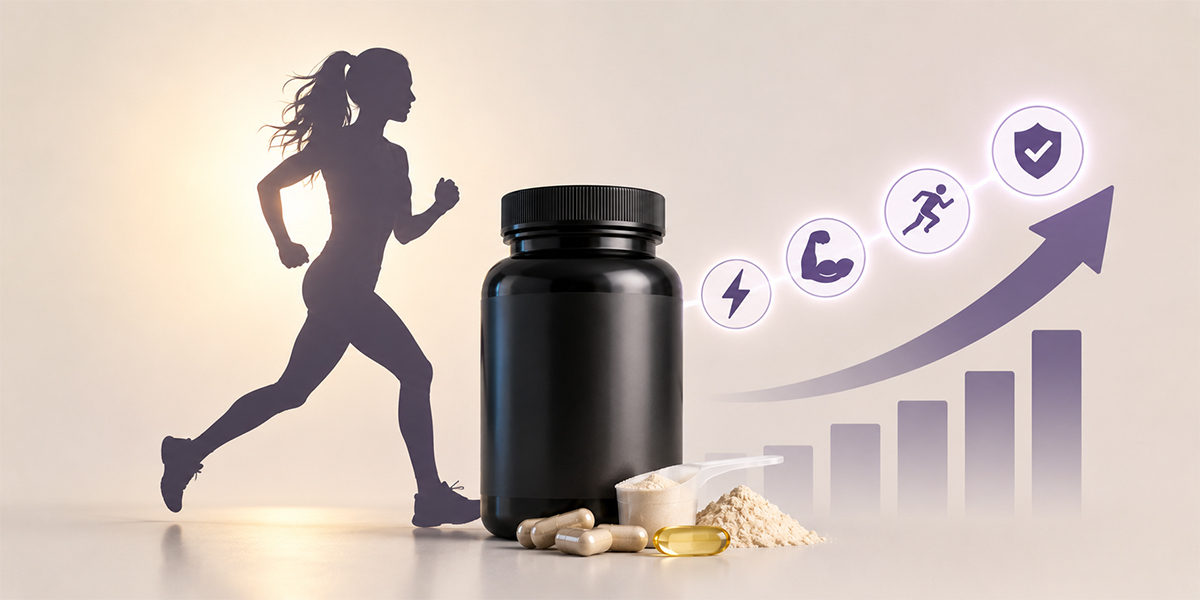


Dietary supplements can play an important role in supporting women’s athletic performance, whether the goal is strength training, endurance, body composition, or general fitness.
The right supplements may help improve energy, support muscle recovery, maintain strength, and fill nutritional gaps when used alongside balanced nutrition, proper training, hydration, and adequate sleep.
Table of Contents
The Role of Supplements in Women’s Athletic Performance
Women who train regularly need proper nutritional support to maintain energy, build and repair muscle, improve endurance, and recover effectively after workouts.
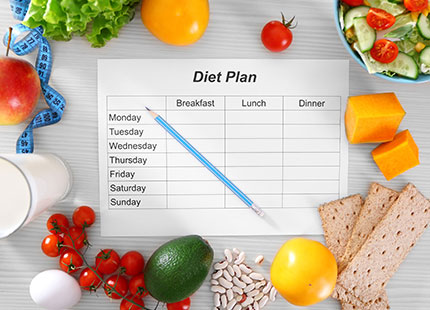
Supplements may help when daily food intake does not fully meet training demands, especially during intense exercise phases, calorie-controlled diets, or when protein, iron, vitamin D, or other nutrients are insufficient.
However, supplement needs differ from one woman to another depending on age, body weight, training type, fitness goal, diet pattern, health status, and hormonal considerations.
Protein for Muscle Support
Protein is one of the most important nutrients for women who exercise, especially those focused on strength training, body toning, muscle recovery, and body composition.
It helps repair muscle tissue after intense workouts and supports muscle growth when combined with resistance training. Natural protein sources include eggs, chicken, fish, lean meat, Greek yogurt, legumes, and nuts.
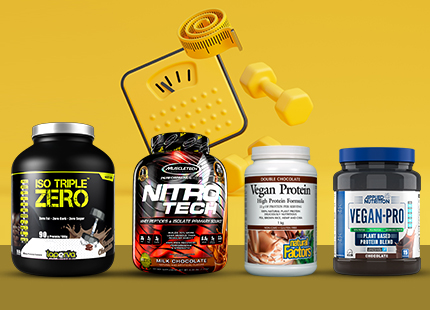
When it is difficult to meet daily protein needs through food alone, protein supplements such as whey protein, casein, or plant-based protein can be useful and convenient.
| Protein Type | When to Use | Athletic Benefit |
|---|---|---|
| Whey Protein | After workouts or between meals | Supports fast recovery and muscle protein synthesis |
| Casein Protein | Before sleep or when slow digestion is preferred | Provides longer-lasting amino acid support |
| Plant Protein | For vegans, vegetarians, or dairy-sensitive users | Helps reach daily protein targets |
Branched-Chain Amino Acids BCAAs
Branched-chain amino acids, or BCAAs, include leucine, isoleucine, and valine. These amino acids are involved in muscle support during and after exercise.
BCAAs may help reduce muscle breakdown during long or intense workouts, especially when training volume is high or total protein intake is not sufficient.
However, if a woman already consumes enough high-quality complete protein, BCAAs may not always be necessary because complete protein sources naturally provide these amino acids.
Creatine for Strength and Power
Creatine is one of the most researched sports supplements and is commonly used to support strength, power, and high-intensity exercise performance.
It helps support rapid energy production inside the muscles, which may improve performance during resistance training, sprinting, explosive movements, and repeated high-intensity efforts.
Creatine is not only for men. Women may also benefit from creatine when it is used appropriately alongside structured training and adequate hydration.
| Supplement | Main Benefit | Best Suited For |
|---|---|---|
| Creatine | Supports strength and explosive power | Resistance training, squats, strength workouts, and high-intensity exercise |
| Protein | Supports muscle building and recovery | Almost all training goals |
| BCAAs | Supports muscles during training | Long workouts or low protein intake |
Vitamins and Minerals
Vitamins and minerals are essential for energy production, bone strength, oxygen transport, muscle function, and post-workout recovery.
Vitamin B12 supports energy metabolism and nerve function, while vitamin D plays an important role in bone health, immune support, and muscle function.
Iron is especially important for oxygen transport and endurance, while magnesium supports muscle function, relaxation, and recovery. Women may need to pay extra attention to iron levels due to menstruation, plant-based diets, or persistent fatigue.
| Nutrient | Athletic Role | When to Pay Attention |
|---|---|---|
| Vitamin B12 | Supports energy metabolism and nerve function | Plant-based diets or ongoing fatigue |
| Vitamin D | Supports bones, immunity, and muscle function | Low sun exposure or low blood levels |
| Iron | Supports oxygen transport and endurance | Heavy periods, anemia, or low energy |
| Magnesium | Supports muscle function, relaxation, and recovery | Muscle cramps, stress, or poor sleep |
Energy, Endurance, and Recovery Supplements
Energy and endurance supplements may help women improve focus, delay fatigue, and support performance during longer or more intense workouts.
Caffeine may increase alertness and workout energy, but it should be used carefully, especially by women who are sensitive to stimulants or who experience anxiety, palpitations, high blood pressure, or sleep problems.
Omega-3, collagen, and glutamine may support recovery, joint health, muscle function, and immune support as part of a balanced lifestyle.
| Supplement Type | Potential Benefit | Important Note |
|---|---|---|
| Caffeine | Improves focus and energy during workouts | Avoid high doses or late-night use |
| Omega-3 | Supports joint health and healthy inflammation balance | Useful as part of a healthy diet, not a replacement for food |
| Collagen | Supports joints, ligaments, and connective tissues | Can be paired with vitamin C to support collagen formation |
| Glutamine | May support recovery and immune function in some athletes | May be more useful during intense training or high-stress periods |
Special Precautions for Women
Women should consider individual health factors before using supplements, especially during pregnancy, breastfeeding, hormonal conditions, anemia, thyroid issues, or regular medication use.
Products with unclear labels, unrealistic claims, hidden stimulants, or strong hormonal effects should be avoided.
- Monitor doses according to body weight and individual needs.
- Choose supplements free from unsafe hormones or stimulants.
- Read labels carefully and avoid repeating the same ingredient across multiple products.
- Consult a specialist during pregnancy, breastfeeding, or hormonal concerns.
- Avoid using iron or high-dose vitamins without testing or professional advice.
- Stay well hydrated, especially when using protein, creatine, or sports supplements.
- Stop any supplement that causes uncomfortable symptoms such as palpitations, persistent nausea, stomach pain, or severe insomnia.
Frequently Asked Questions
Do all active women need supplements?
No. Supplements are most useful when there is a clear need, such as low protein intake, confirmed nutrient deficiency, or a specific performance goal that requires extra support.
Is creatine suitable for women?
Yes. Creatine may support strength and resistance training performance in women when used appropriately with adequate hydration and a structured training plan.
Does protein powder cause weight gain?
Protein powder does not cause weight gain by itself. Weight gain occurs when total calorie intake exceeds the body’s needs. Protein may also support fullness and muscle maintenance.
What is the most common energy supplement before workouts?
Caffeine is one of the most common pre-workout energy ingredients, but it is not suitable for everyone and should be used carefully, especially in the evening.
Should women test vitamin and mineral levels before supplementing?
Testing can be helpful before using iron, vitamin D, B12, or high-dose minerals for long periods, especially when symptoms such as fatigue or weakness are present.
Conclusion
When chosen carefully, dietary supplements may help women improve athletic performance, increase strength, support endurance, and enhance post-workout recovery.
The best results come from combining appropriate supplements with balanced nutrition, consistent training, adequate sleep, hydration, and correct dosing based on individual needs and professional guidance when necessary.