

Introduction
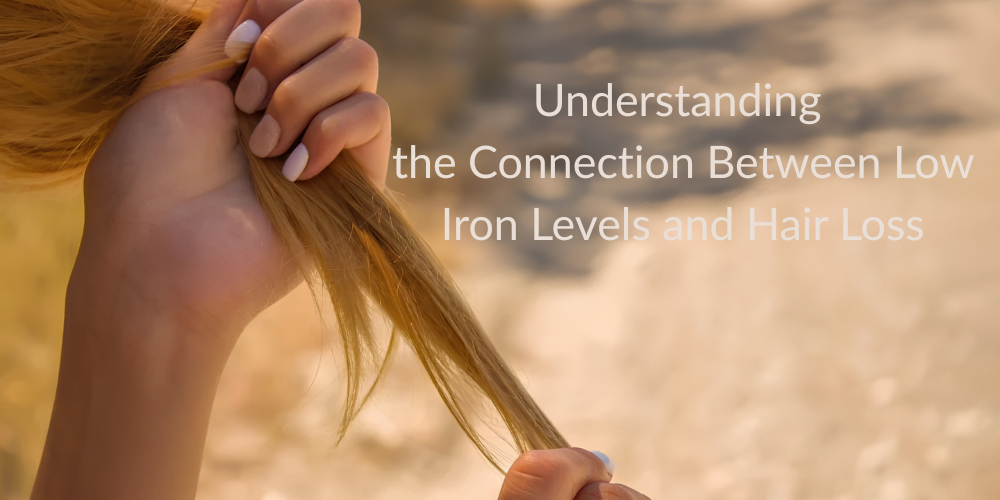
Hair loss is a common concern that affects both men and women, often leading to emotional stress and reduced confidence. While genetics, hormones, and lifestyle factors are widely known contributors, nutritional deficiencies are sometimes overlooked as a root cause. One of the most important yet frequently underestimated nutrients linked to hair health is iron.
Iron plays a vital role in the body’s ability to produce hemoglobin, a protein in red blood cells responsible for carrying oxygen to tissues, including hair follicles. When iron levels are low, oxygen delivery to these follicles may be reduced, potentially disrupting the natural hair growth cycle.
Low iron does not always directly cause hair loss, but research has shown a strong association between iron deficiency and increased hair shedding, particularly in certain types of hair loss such as telogen effluvium. Understanding this connection is essential for identifying underlying causes and supporting healthier hair growth.
Table of Contents
- What Is Iron Deficiency?
- How Iron Supports Healthy Hair Growth
- Can Iron Deficiency Cause Hair Loss?
- Types of Hair Loss Linked to Low Iron
- Telogen Effluvium
- Diffuse Hair Thinning
- Symptoms of Iron Deficiency You Should Not Ignore
- Who Is at Higher Risk of Iron Deficiency?
- How Iron Levels Are Diagnosed?
- Iron-Rich Foods for Healthy Hair
- Iron Supplements and Hair Health Support
- How Long Does It Take to See Hair Improvement?
- Prevention Tips for Healthy Iron Levels
- FAQ
- Conclusion
What Is Iron Deficiency?
Iron deficiency occurs when the body does not have enough iron to maintain normal physiological functions. Iron is essential for producing hemoglobin, which allows red blood cells to transport oxygen throughout the body.
When iron stores become depleted, the body prioritizes oxygen delivery to vital organs such as the heart and brain. As a result, less oxygen may reach secondary systems like skin, nails, and hair follicles, potentially affecting their normal function.
Iron deficiency is one of the most common nutritional deficiencies worldwide and can range from mild depletion of iron stores to more severe forms such as iron deficiency anemia.
How Iron Supports Healthy Hair Growth
Iron plays several important roles in maintaining healthy hair growth, including:
- Supporting oxygen transport to hair follicles
- Assisting in energy production within cells
- Helping DNA synthesis in rapidly dividing follicle cells
- Supporting the anagen (growth) phase of the hair cycle
Hair follicles are among the most metabolically active structures in the body. Because of this, they are highly sensitive to changes in nutrient availability, especially iron. When iron levels drop, hair follicles may receive less oxygen and energy, which can interrupt the normal growth cycle.
Can Iron Deficiency Cause Hair Loss?
Iron deficiency is not always the sole cause of hair loss, but it has been strongly associated with increased hair shedding in many individuals.
One of the most common forms of hair loss linked to low iron is telogen effluvium, a condition where a larger-than-normal number of hair follicles enter the resting (telogen) phase. This leads to increased shedding and noticeable thinning.
Low iron levels may not cause immediate hair loss, but over time, insufficient iron stores can contribute to weakened hair structure, slower growth, and increased shedding.
It is important to note that hair loss is often multifactorial, meaning iron deficiency may be one of several contributing factors rather than the only cause.
Types of Hair Loss Linked to Low Iron
Telogen Effluvium
Telogen effluvium is a temporary form of hair loss characterized by diffuse shedding across the scalp. It is often triggered by stress, illness, hormonal changes, or nutritional deficiencies such as low iron.
In this condition, hair prematurely shifts from the growth phase to the resting phase, resulting in noticeable shedding after a few months.
Diffuse Hair Thinning
Diffuse hair thinning refers to gradual thinning across the entire scalp rather than localized bald patches. Low iron levels may contribute to this condition by weakening the hair growth cycle and reducing follicle activity.
Symptoms of Iron Deficiency You Should Not Ignore
Iron deficiency may present with several symptoms beyond hair loss, including:
- Persistent fatigue or low energy
- Pale skin
- Brittle or spoon-shaped nails
- Headaches or dizziness
- Shortness of breath during mild activity
- Cold hands and feet
- Increased hair shedding
Recognizing these symptoms early can help prevent further progression and support timely intervention.
Who Is at Higher Risk of Iron Deficiency?
Certain groups are more prone to developing iron deficiency, including:
- Women with heavy menstrual cycles
- Pregnant or postpartum women
- Individuals with low dietary iron intake
- People with digestive disorders affecting absorption
- Vegetarians and vegans without adequate iron planning
- Individuals with chronic blood loss
Understanding risk factors can help identify individuals who may benefit from monitoring their iron levels more closely.
How Iron Levels Are Diagnosed?
Iron deficiency is diagnosed through blood tests ordered by a healthcare professional. Common tests include:
- Serum ferritin (iron storage levels)
- Hemoglobin levels
- Serum iron
- Total iron-binding capacity (TIBC)
Ferritin is often considered the most important marker when evaluating iron status related to hair loss, as low ferritin levels may be associated with increased shedding even when hemoglobin levels are normal.
Iron-Rich Foods for Healthy Hair
A balanced diet rich in iron can support healthy hair growth and overall wellness. Iron-rich foods include:
- Red meat and poultry
- Fish and seafood
- Spinach and leafy green vegetables
- Lentils, chickpeas, and beans
- Pumpkin seeds
- Fortified cereals
Pairing iron-rich foods with vitamin C sources such as oranges, strawberries, or bell peppers can improve iron absorption.
Iron Supplements and Hair Health Support
Iron supplements may be recommended when dietary intake is not sufficient to restore normal iron levels. However, supplementation should only be taken after laboratory confirmation of deficiency.
Recommended Iron Supplements:
Iron Supplements Category
Search Iron Products
Excess iron intake can be harmful and may lead to toxicity or gastrointestinal side effects. For this reason, supplementation should always be guided by a healthcare professional.
When iron deficiency is the underlying cause, restoring normal iron levels may help reduce hair shedding and support gradual regrowth over time.
Recommended Hair Supplements:
Skin, Hair & Nails Supplements
Hair Health Products
Recommended Hair Loss Control Supplements:
Hair Loss Control Products
Hair Care Solutions
How Long Does It Take to See Hair Improvement?
Hair growth is a slow biological process, so improvements are not immediate. After correcting iron deficiency:
- Hair shedding may begin to reduce within 6–12 weeks
- Visible improvement in density may take 3–6 months
- Full recovery can take longer depending on severity and individual response
Consistency and proper correction of iron levels are key factors in recovery.
Prevention Tips for Healthy Iron Levels
Maintaining healthy iron levels involves a combination of dietary habits and lifestyle choices:
- Eat a balanced diet rich in iron-containing foods
- Combine iron sources with vitamin C for better absorption
- Avoid excessive consumption of tea or coffee with meals (can reduce absorption)
- Address underlying medical conditions affecting absorption or blood loss
- Monitor iron levels if you are in a high-risk group
FAQ
1. Can low iron really cause hair loss?
Yes, low iron levels are associated with increased hair shedding, especially in telogen effluvium.
2. Will iron supplements stop hair loss?
They may help if iron deficiency is the root cause, but not all hair loss is related to iron.
3. What ferritin level is linked to hair loss?
Low ferritin levels are often associated with hair shedding, even if hemoglobin is normal.
4. Is iron-related hair loss reversible?
In many cases, yes. Hair can regrow once iron levels are restored.
5. Should I take iron for hair loss without testing?
No. Iron supplements should only be taken after confirming deficiency through blood tests.
Conclusion
Low iron is an important but often overlooked factor in hair health. Since iron is essential for oxygen transport and energy production, low levels can disrupt the hair growth cycle and lead to increased shedding.
Although it is not the only cause of hair loss, iron deficiency should always be considered, especially in cases of diffuse thinning or unexplained hair fall.
The positive aspect is that iron-related hair loss is often reversible once the deficiency is identified and properly corrected through diet, supplementation, and medical guidance when needed.
If hair loss continues, a professional evaluation is recommended to determine the exact cause and ensure appropriate treatment.