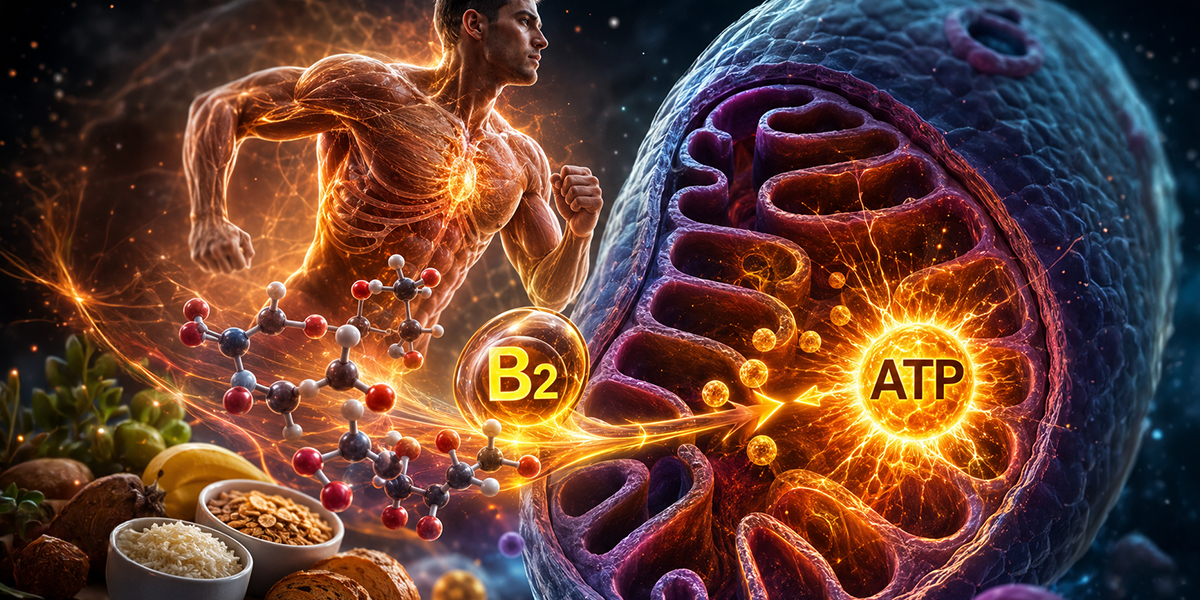


Vitamin B2, also known as riboflavin, is an essential water-soluble vitamin that plays a major role in energy production and healthy metabolism.
It helps the body convert carbohydrates, fats, and proteins into usable energy, making it important for daily vitality, physical performance, endurance, and overall metabolic function.
Table of Contents
What Is Vitamin B2?
Vitamin B2 is one of the B-complex vitamins. Because it is water-soluble, the body does not store large amounts of it, so regular intake through food or supplementation may be important.
Riboflavin supports normal cellular function, healthy metabolism, nervous system activity, red blood cell production, and antioxidant defense.
One of its most important roles is helping the body produce energy from nutrients, especially carbohydrates, which are a major fuel source for the brain, muscles, and daily activity.
How Vitamin B2 Supports ATP Production
ATP, or adenosine triphosphate, is the body’s main energy currency. Every movement, heartbeat, thought process, and cellular repair activity depends on ATP.
When carbohydrates are digested, they are broken down into glucose. The body then uses glucose through a series of metabolic pathways to generate ATP.
Riboflavin helps this process by forming active coenzymes that participate in energy-producing reactions inside the cells, especially within the mitochondria.
| Step | What Happens | Role of Vitamin B2 |
|---|---|---|
| Carbohydrate Digestion | Carbohydrates are broken down into glucose | Supports later metabolic energy pathways |
| Glucose Metabolism | Glucose enters energy-producing pathways | Helps coenzymes function in cellular reactions |
| Mitochondrial Respiration | Cells produce ATP inside mitochondria | Supports FAD and FMN activity |
| ATP Output | Energy becomes available for body functions | Helps maintain efficient energy production |
The Role of FAD and FMN in Energy Metabolism
Riboflavin is needed to form two important coenzymes: flavin adenine dinucleotide, known as FAD, and flavin mononucleotide, known as FMN.
These coenzymes help transfer electrons during cellular respiration, a key process that allows cells to produce ATP efficiently.
Without enough riboflavin, the body may not produce these coenzymes adequately, which may reduce energy efficiency and contribute to fatigue or low performance.
| Coenzyme | Main Function | Why It Matters for Energy |
|---|---|---|
| FAD | Helps transfer electrons in energy pathways | Supports ATP production in mitochondria |
| FMN | Supports enzyme reactions involved in metabolism | Helps cells convert nutrients into usable energy |
| Riboflavin | Precursor for FAD and FMN | Essential for efficient cellular energy production |
Importance for Active Individuals
Physically active people depend heavily on efficient energy metabolism because muscles need ATP during exercise, recovery, and daily movement.
Adequate riboflavin intake may help support endurance, reduce feelings of tiredness, improve energy efficiency, and maintain normal performance during physical activity.
Athletes, active adults, and people with higher energy demands may need to pay closer attention to their intake of B vitamins, including Vitamin B2.
| Group | Why B2 Matters | Possible Benefit |
|---|---|---|
| Athletes | Higher energy turnover during training | Supports endurance and recovery metabolism |
| Active Adults | Frequent movement requires steady ATP production | Supports daily energy and performance |
| People with Low Intake | Limited diet may reduce B2 availability | May help improve nutritional energy support |
| Busy Lifestyles | High daily demands may increase fatigue perception | Supports normal vitality and metabolic function |
Signs of Vitamin B2 Deficiency
Low Vitamin B2 levels may affect energy production because riboflavin is required for key metabolic reactions.
Deficiency may contribute to fatigue, weakness, reduced exercise tolerance, cracked lips, mouth corner irritation, skin problems, sore throat, or eye sensitivity.
These symptoms can have many causes, so persistent fatigue or visible deficiency signs should be assessed by a healthcare professional.
| Possible Sign | How It May Relate to B2 | Suggested Action |
|---|---|---|
| Fatigue | Reduced support for ATP production | Review diet and energy intake |
| Weakness | May reflect poor energy metabolism | Check nutritional status if persistent |
| Cracked Lips | Can occur with low riboflavin intake | Improve B-vitamin intake |
| Skin or Eye Issues | B2 supports healthy tissues | Seek evaluation if symptoms continue |
Food Sources and Supplementation
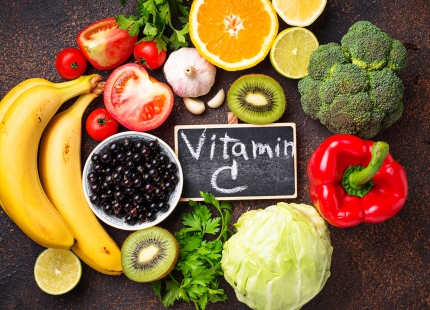
Vitamin B2 is found in a variety of everyday foods, especially dairy products, eggs, lean meats, fish, almonds, mushrooms, and leafy green vegetables.
A balanced diet can usually provide adequate riboflavin for most people. However, supplementation may be considered for individuals with restricted diets, increased energy demands, poor intake, or specific nutritional needs.
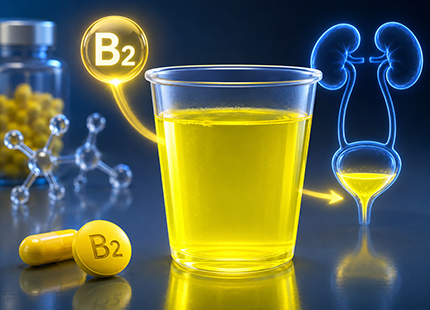
Because riboflavin is water-soluble, excess amounts may be excreted in urine. Bright yellow urine after taking B vitamins is usually harmless and is often related to riboflavin.
- Dairy products such as milk, yogurt, and cheese.
- Eggs.
- Lean meats, poultry, and fish.
- Almonds and other nuts.
- Mushrooms.
- Leafy green vegetables.
- Fortified cereals and whole grains.
Frequently Asked Questions
How does Vitamin B2 help convert carbohydrates into energy?
Vitamin B2 helps form the coenzymes FAD and FMN, which support cellular respiration and help convert glucose from carbohydrates into ATP.
What is ATP?
ATP is the body’s main energy molecule. Cells use ATP to power movement, brain function, repair, metabolism, and many other biological processes.
Can Vitamin B2 reduce fatigue?
Adequate Vitamin B2 intake may help reduce fatigue related to low riboflavin status by supporting normal energy metabolism, but fatigue can have many causes.
Do athletes need more riboflavin?
Active individuals may have higher energy demands, so maintaining adequate riboflavin intake can support endurance, recovery metabolism, and normal physical performance.
What foods are rich in Vitamin B2?
Good sources include dairy products, eggs, lean meats, fish, almonds, mushrooms, leafy green vegetables, and fortified grains.
Conclusion
Vitamin B2 plays a key role in converting carbohydrates into ATP by supporting the coenzymes FAD and FMN, which are essential for cellular energy production.
Maintaining adequate riboflavin intake helps support daily energy, physical performance, endurance, and overall metabolic function. A balanced diet rich in B2-containing foods is usually enough for most people, while supplements may be useful when intake is limited or energy demands are higher.